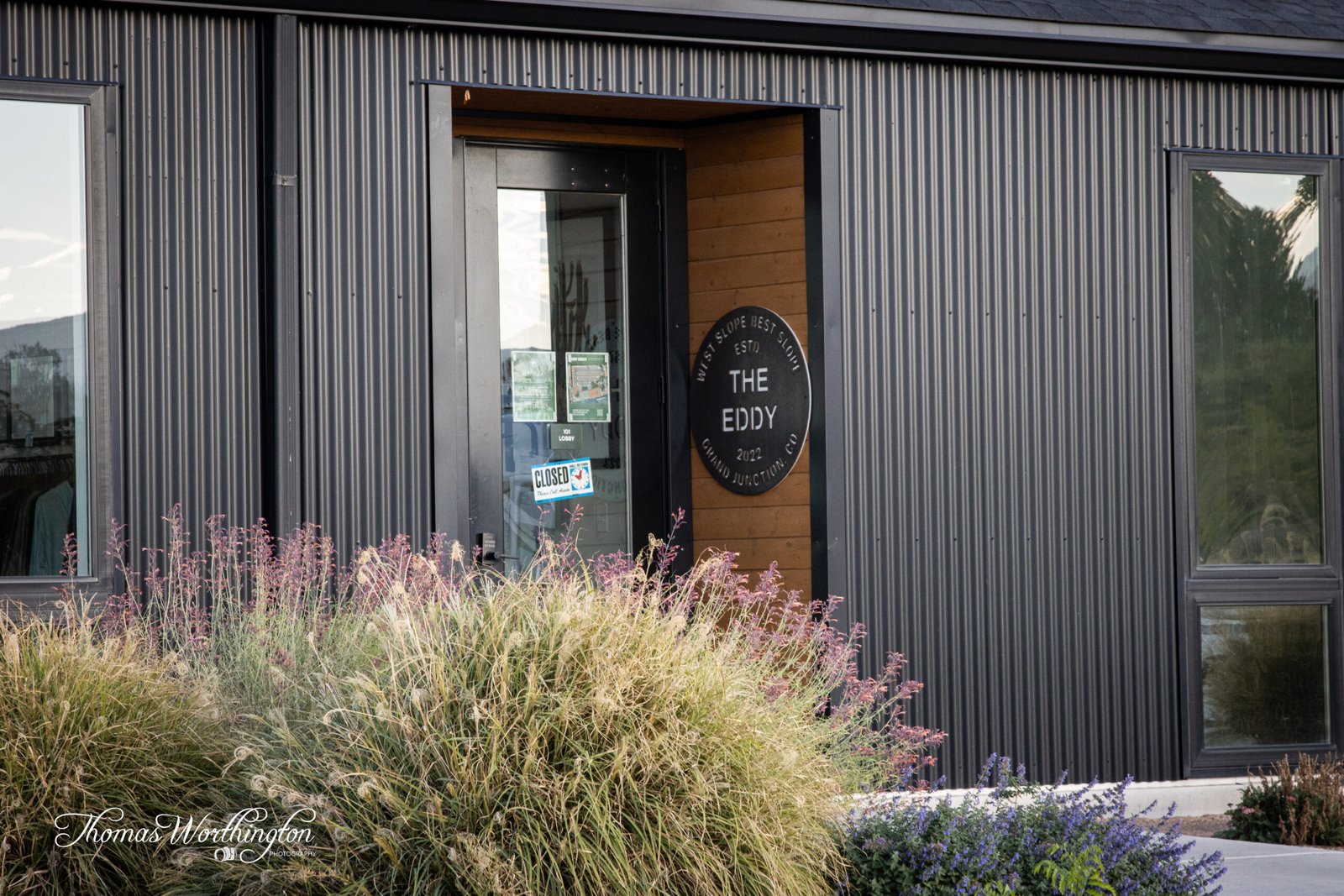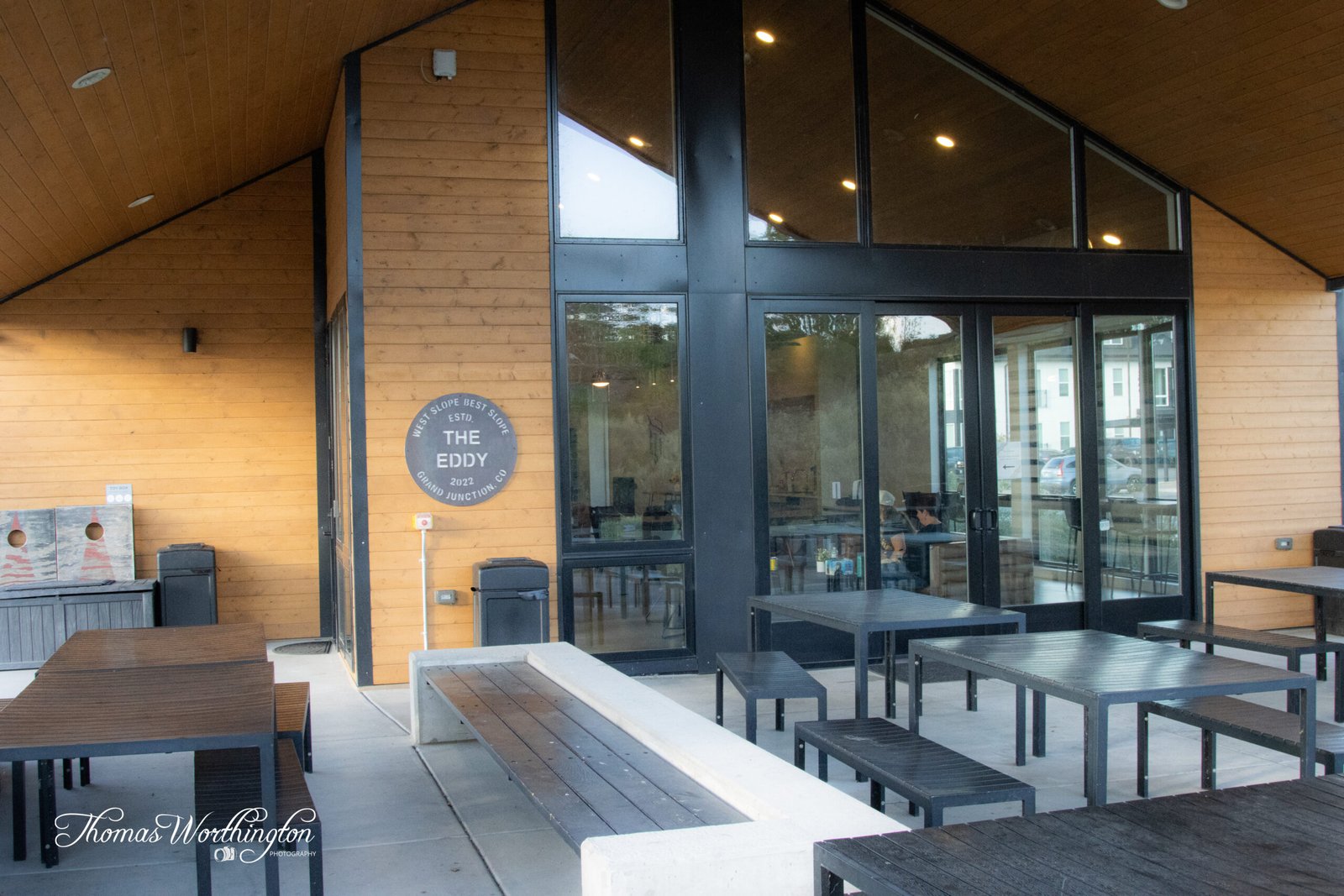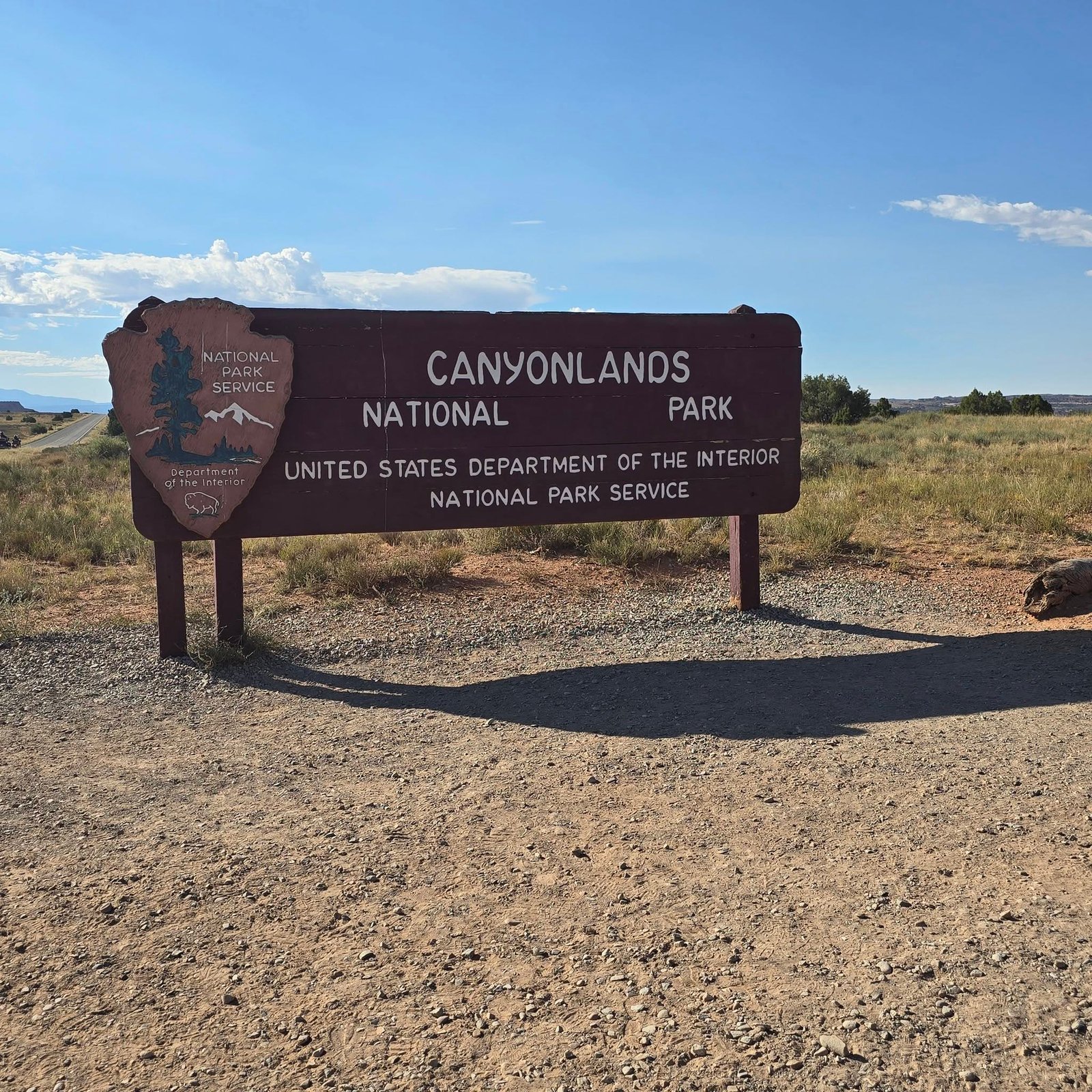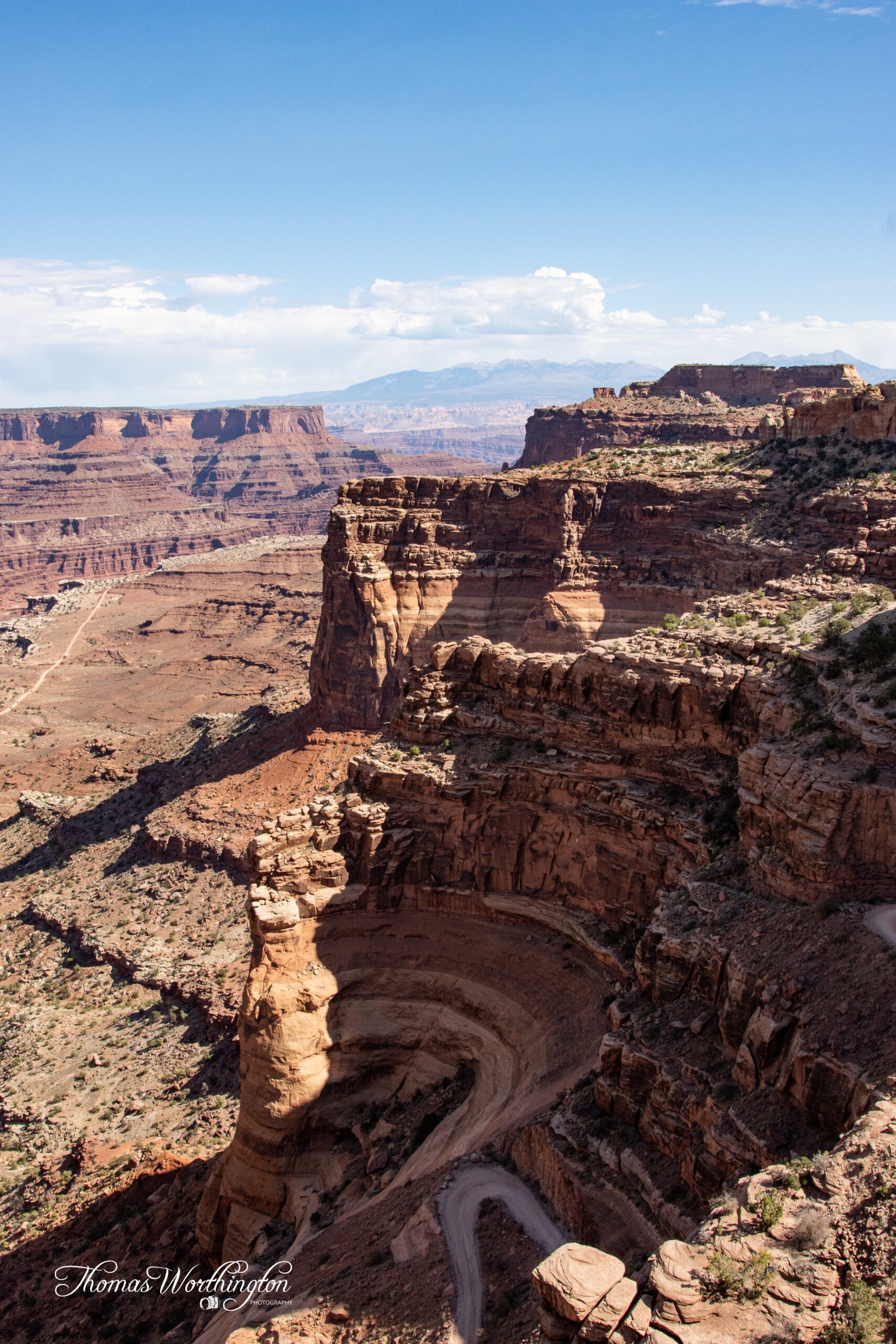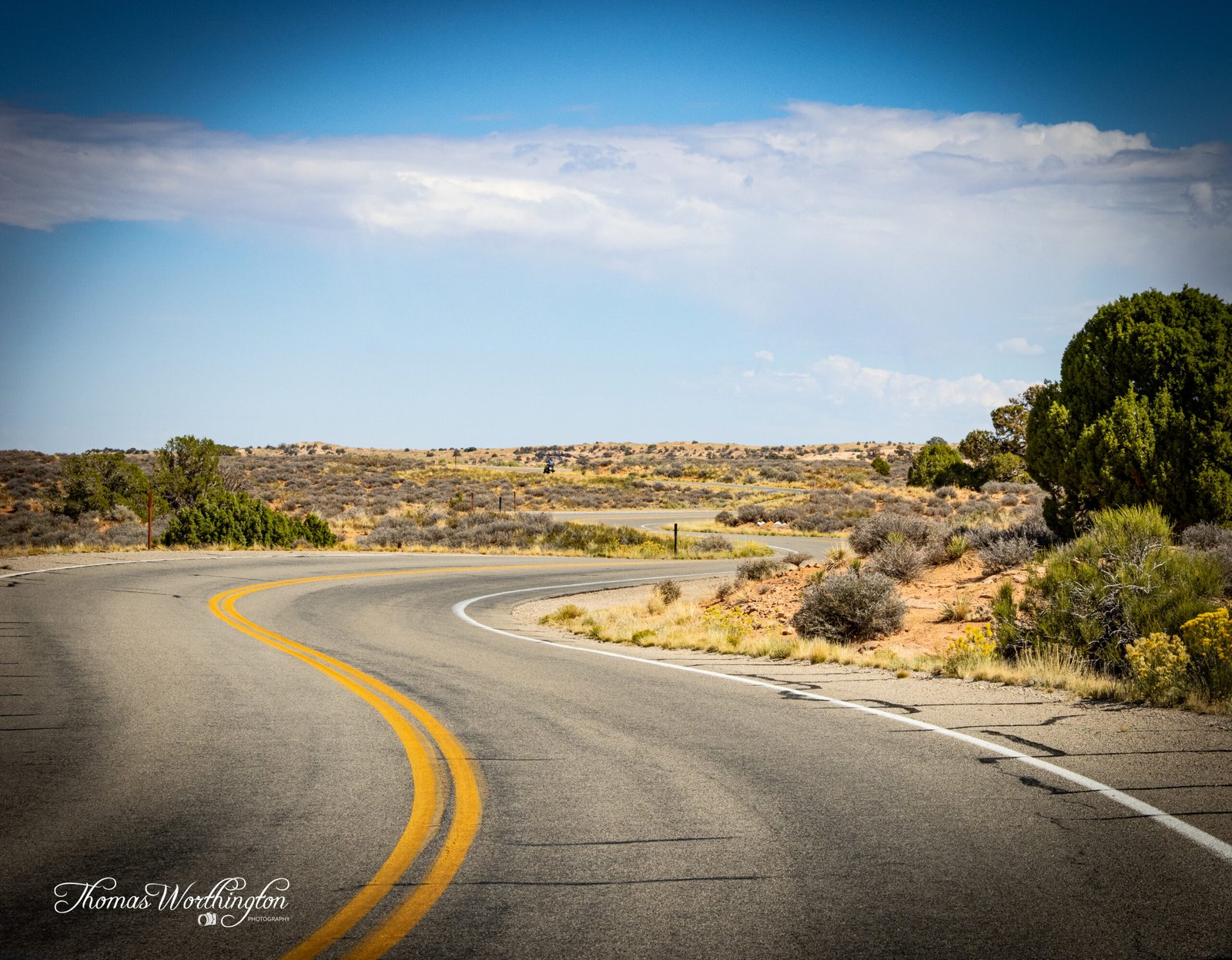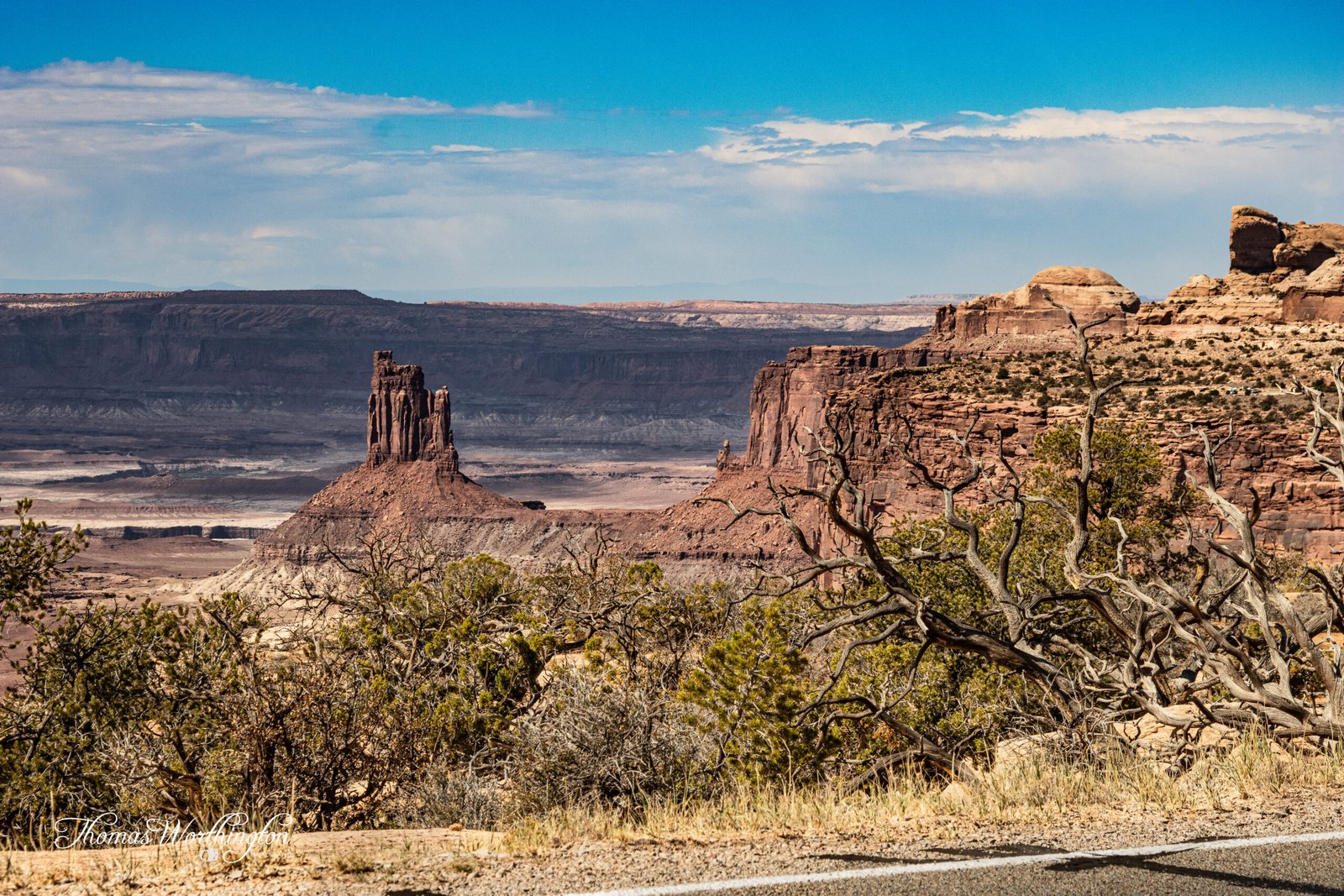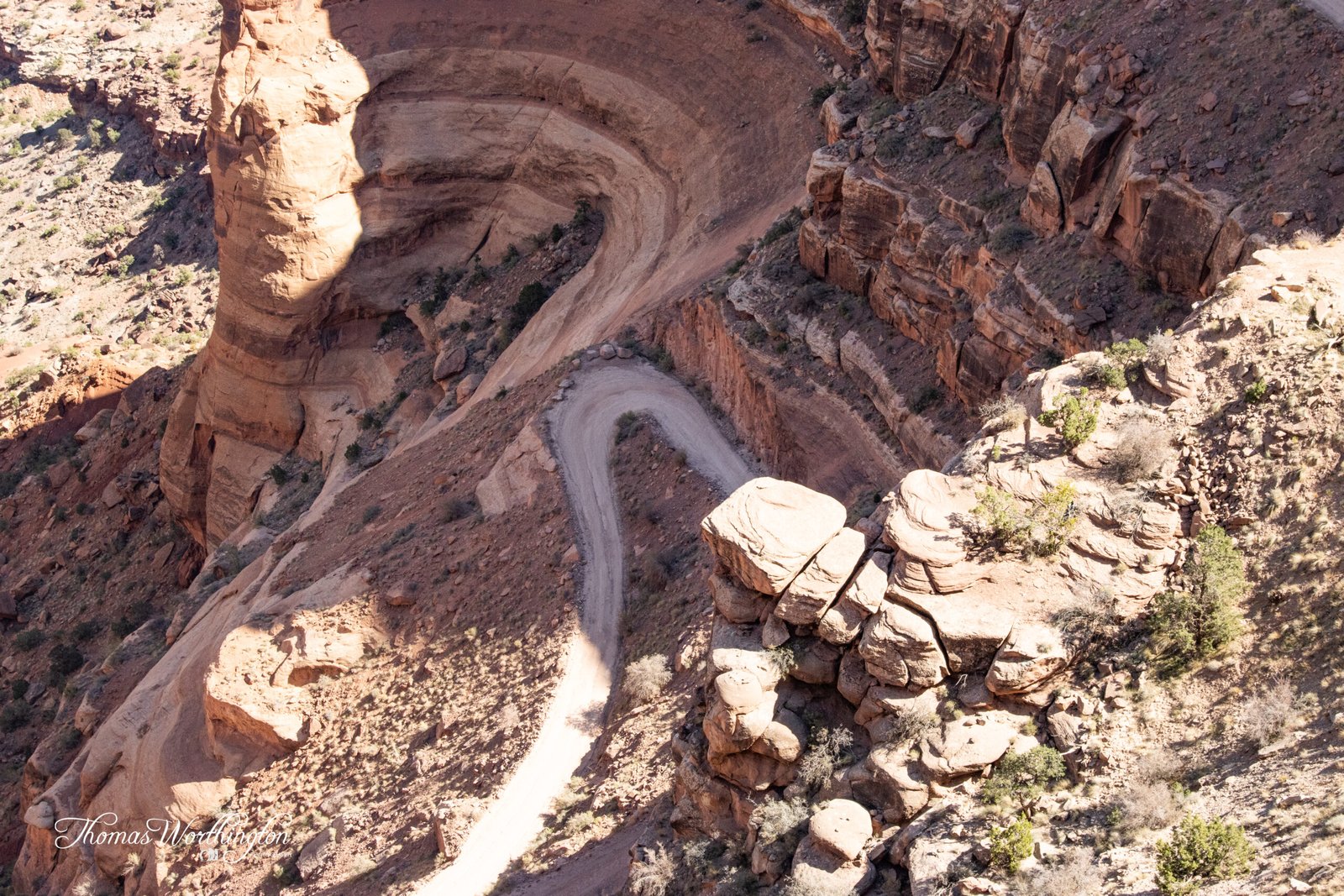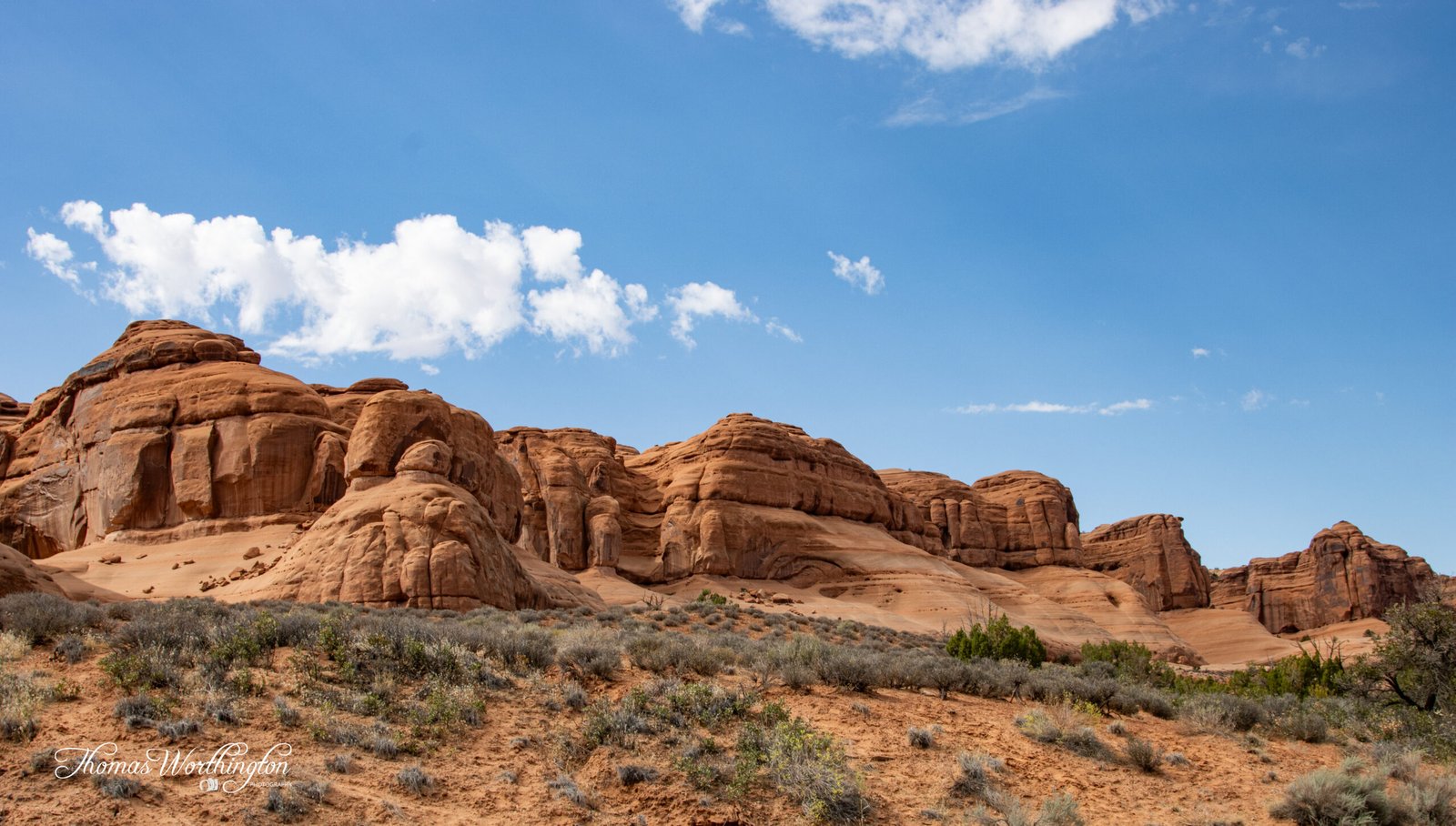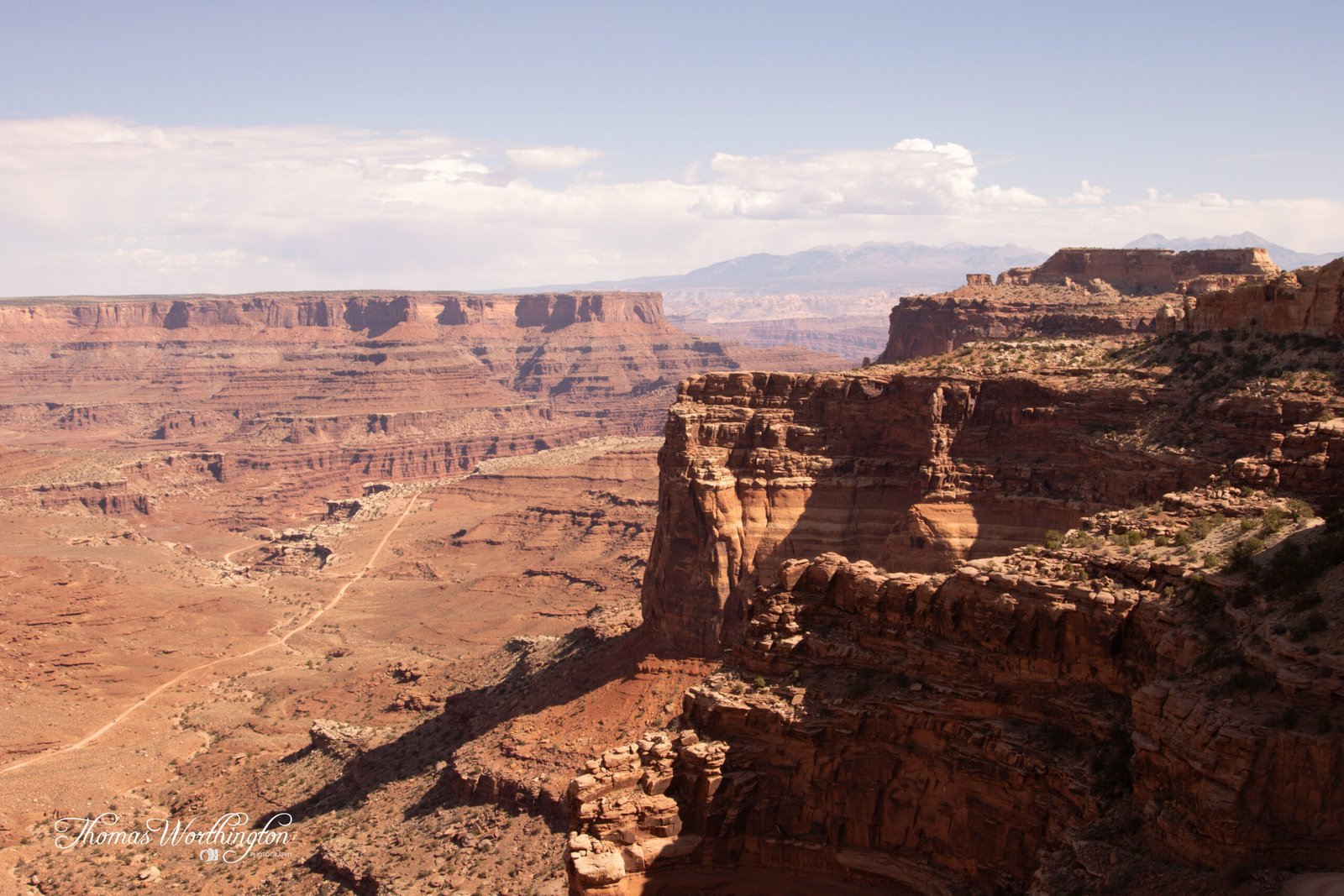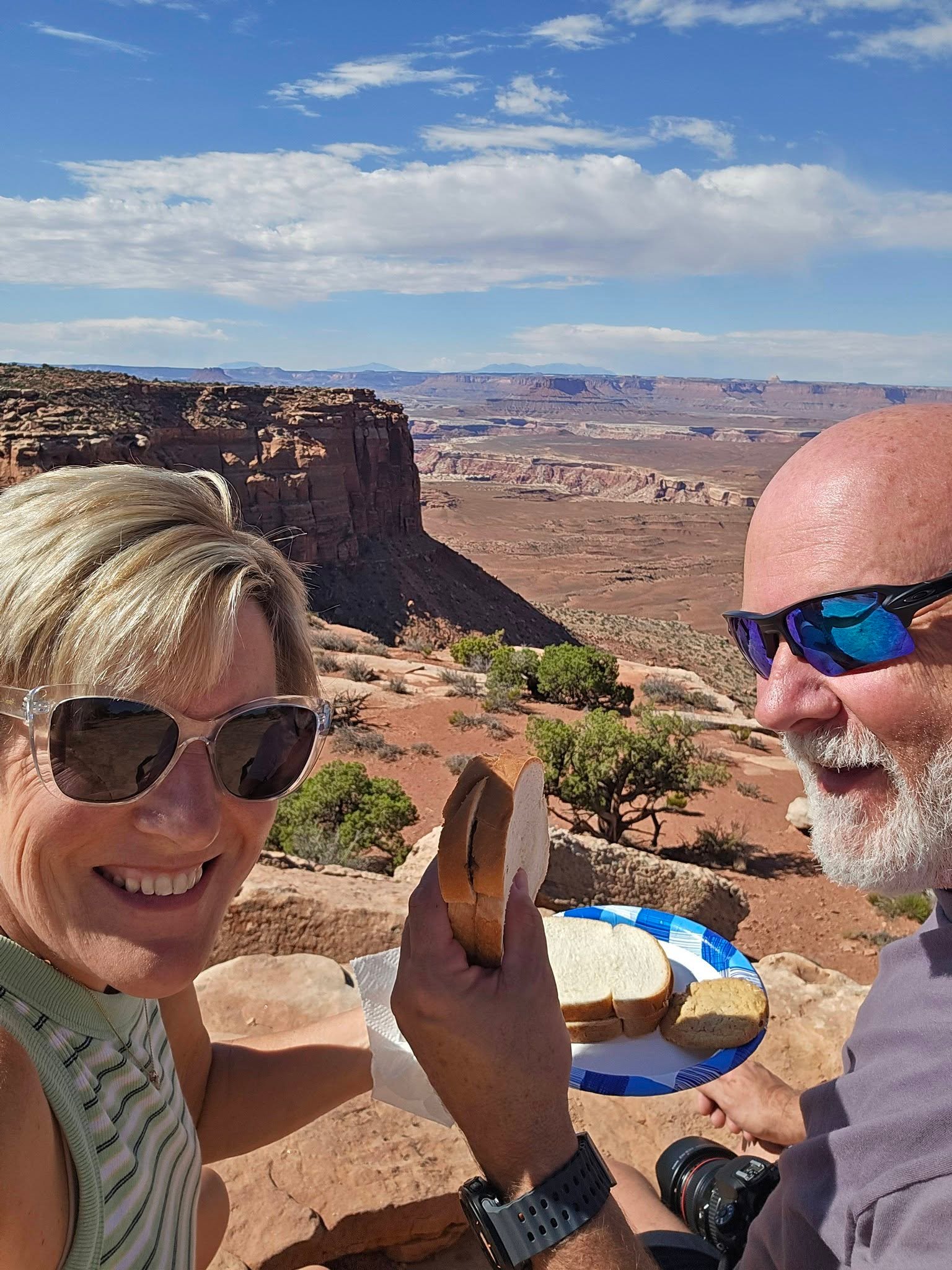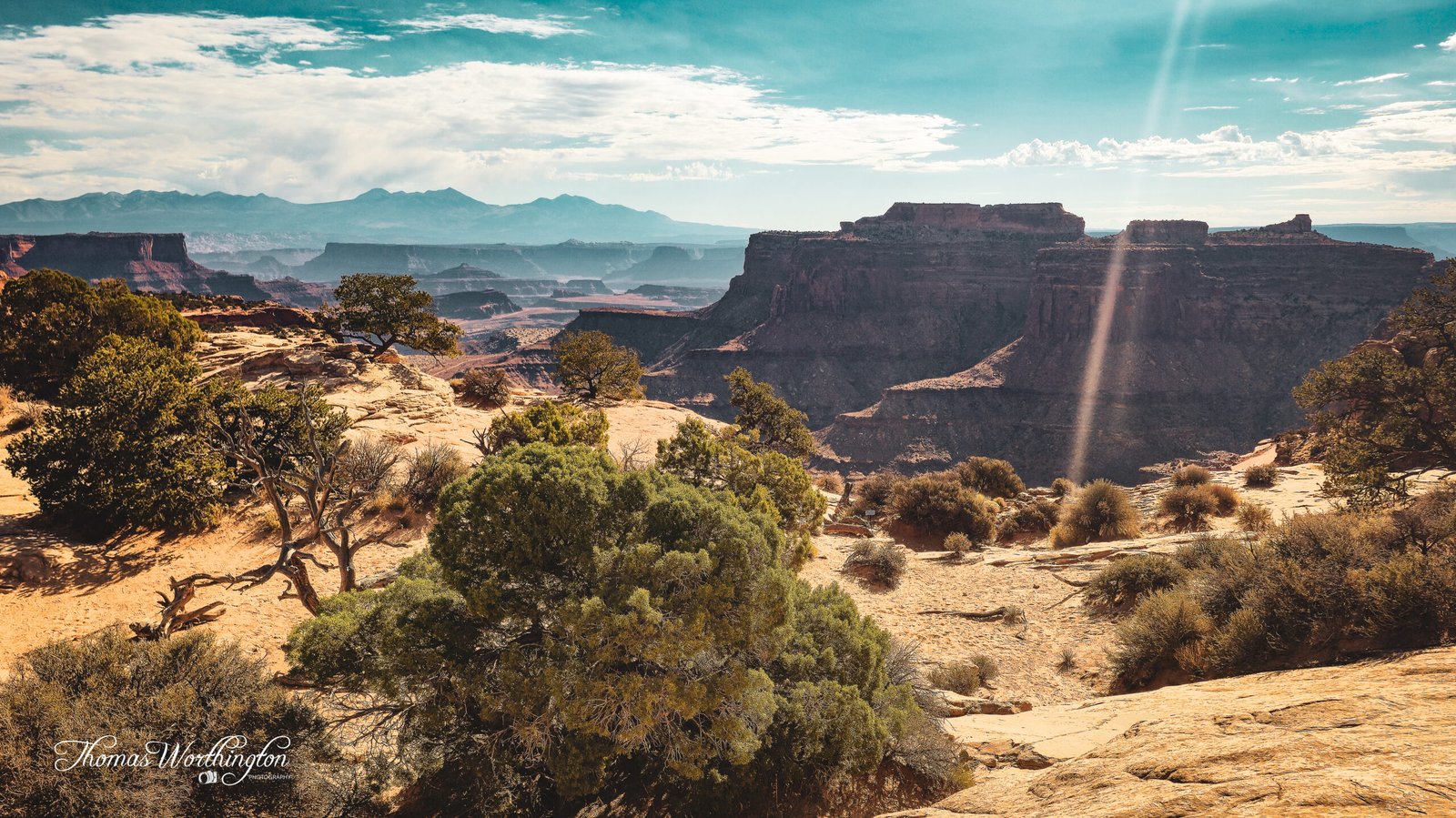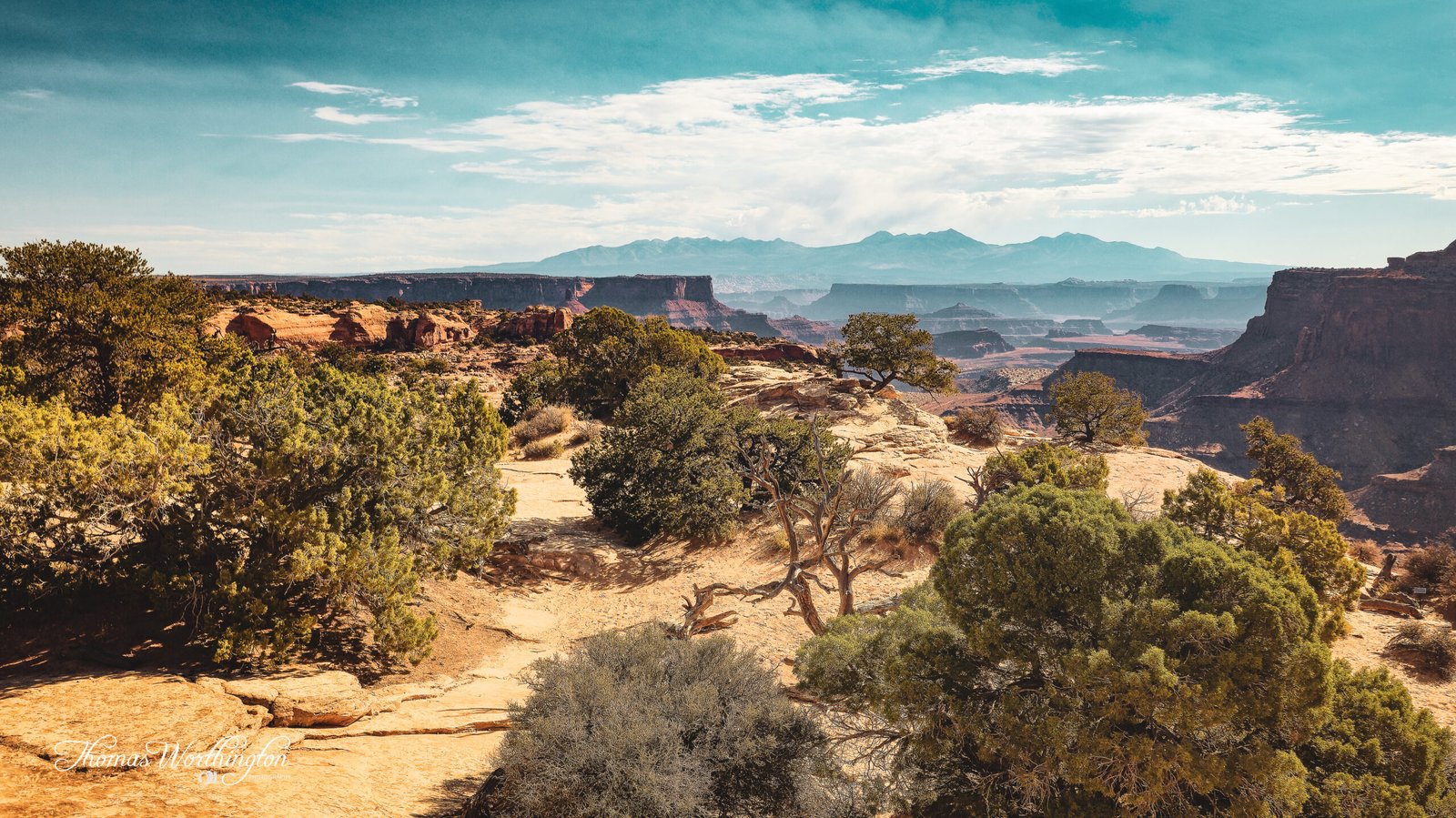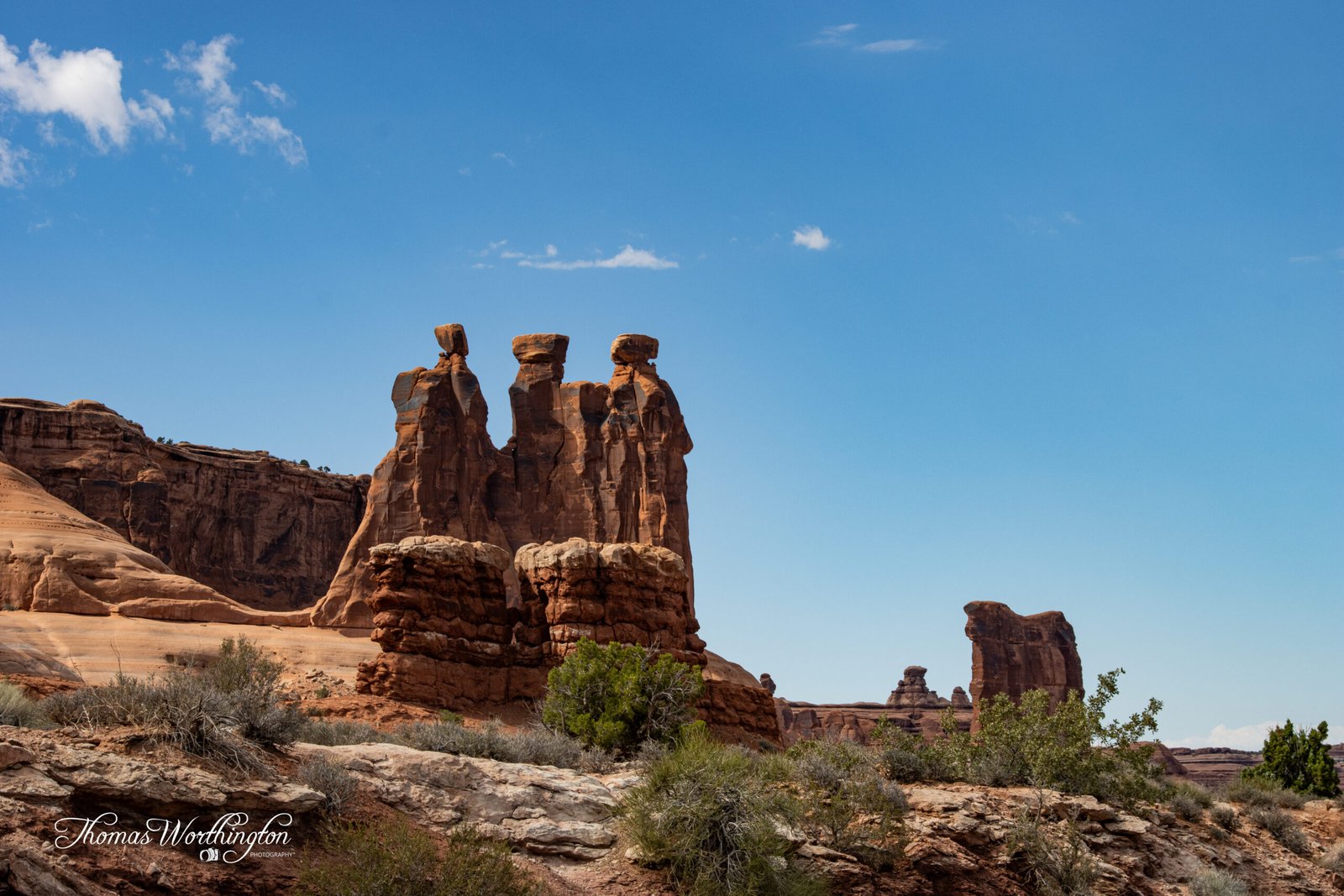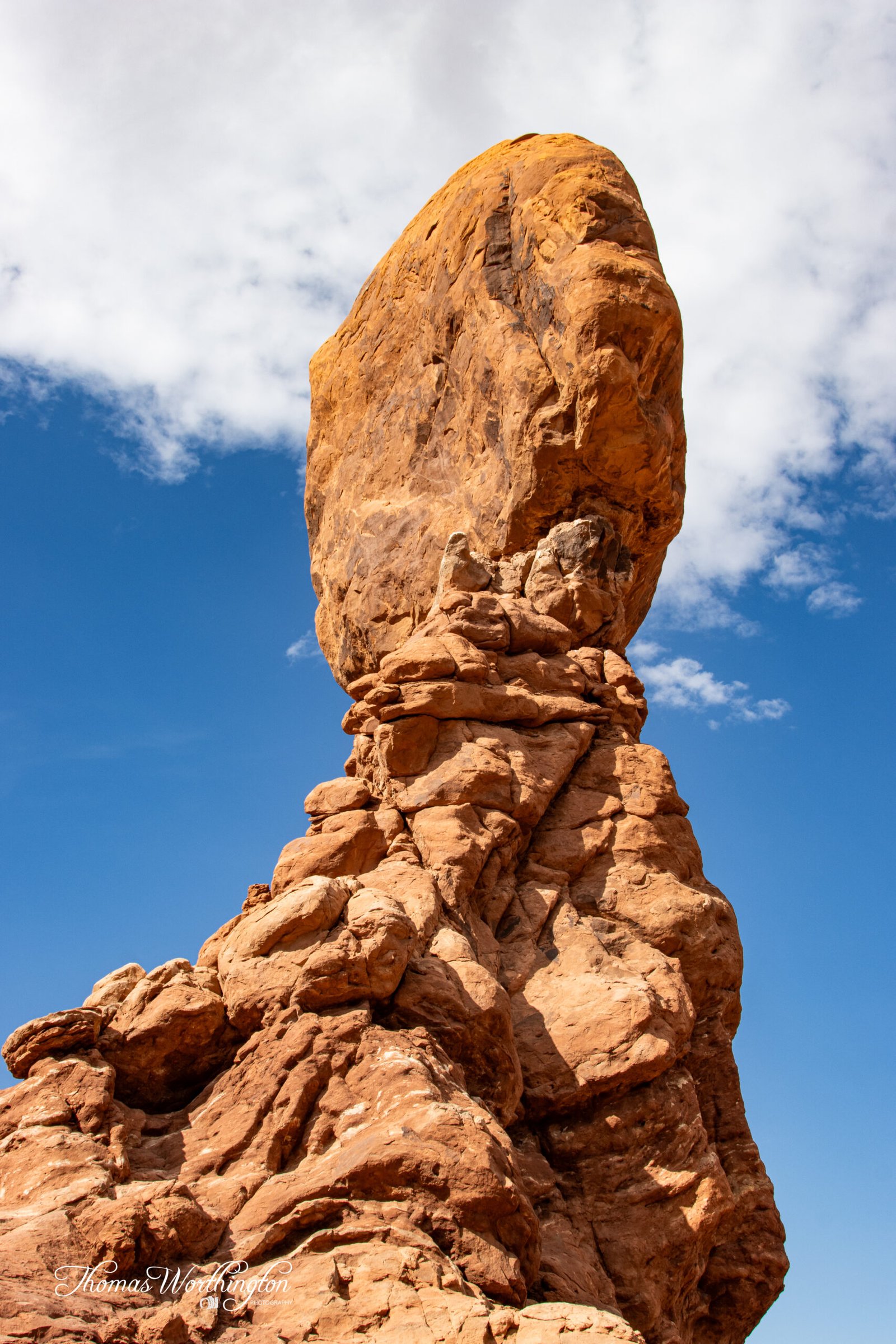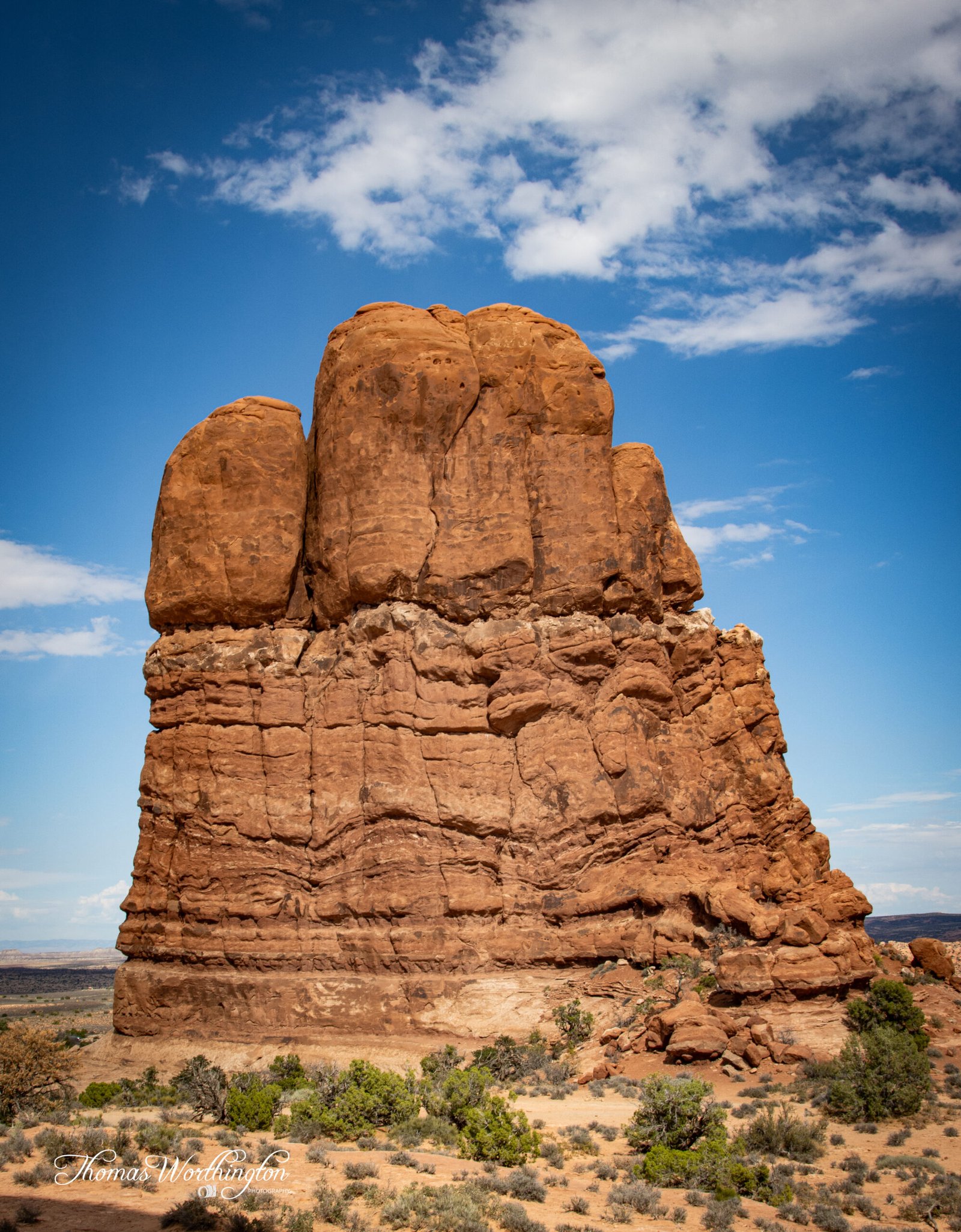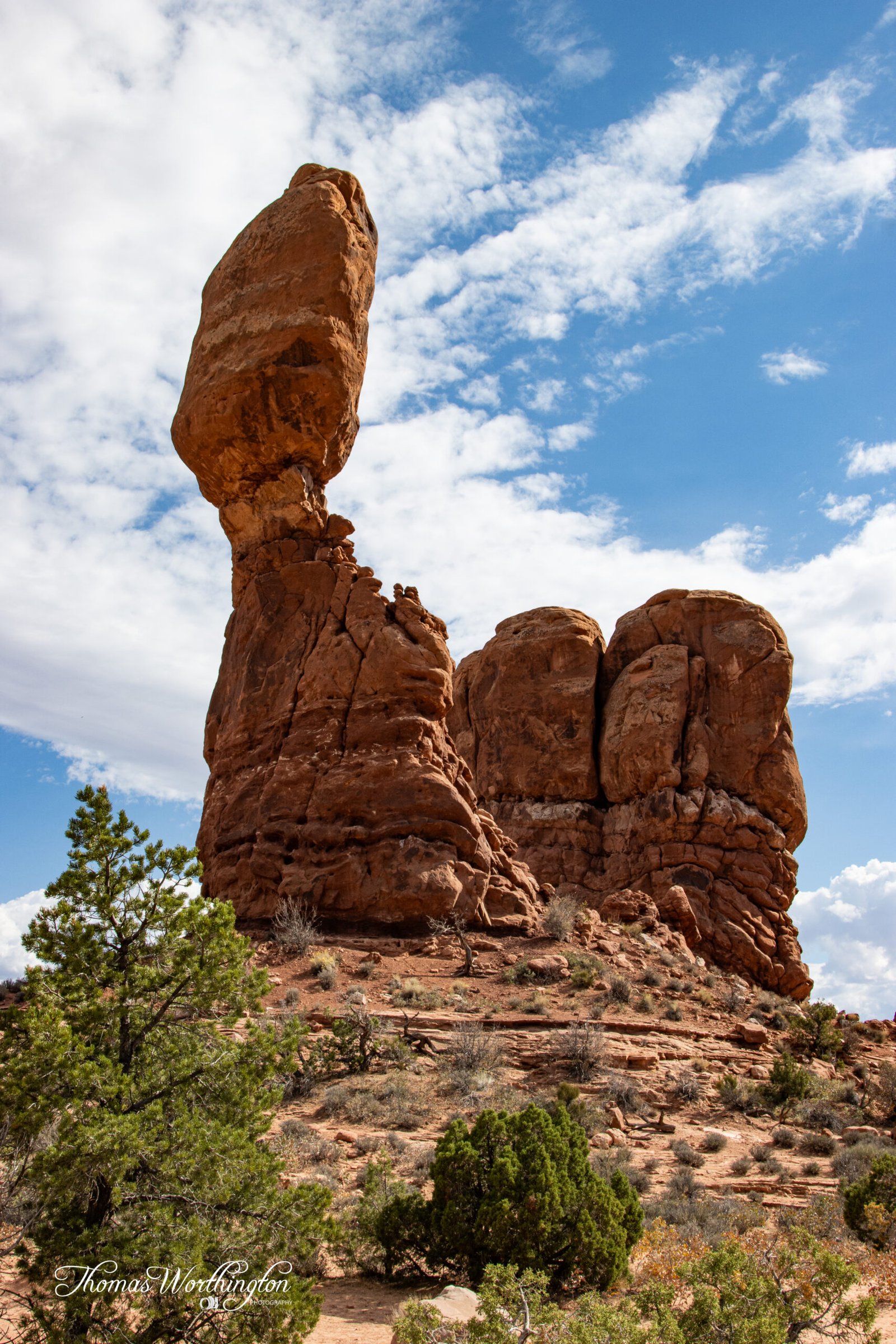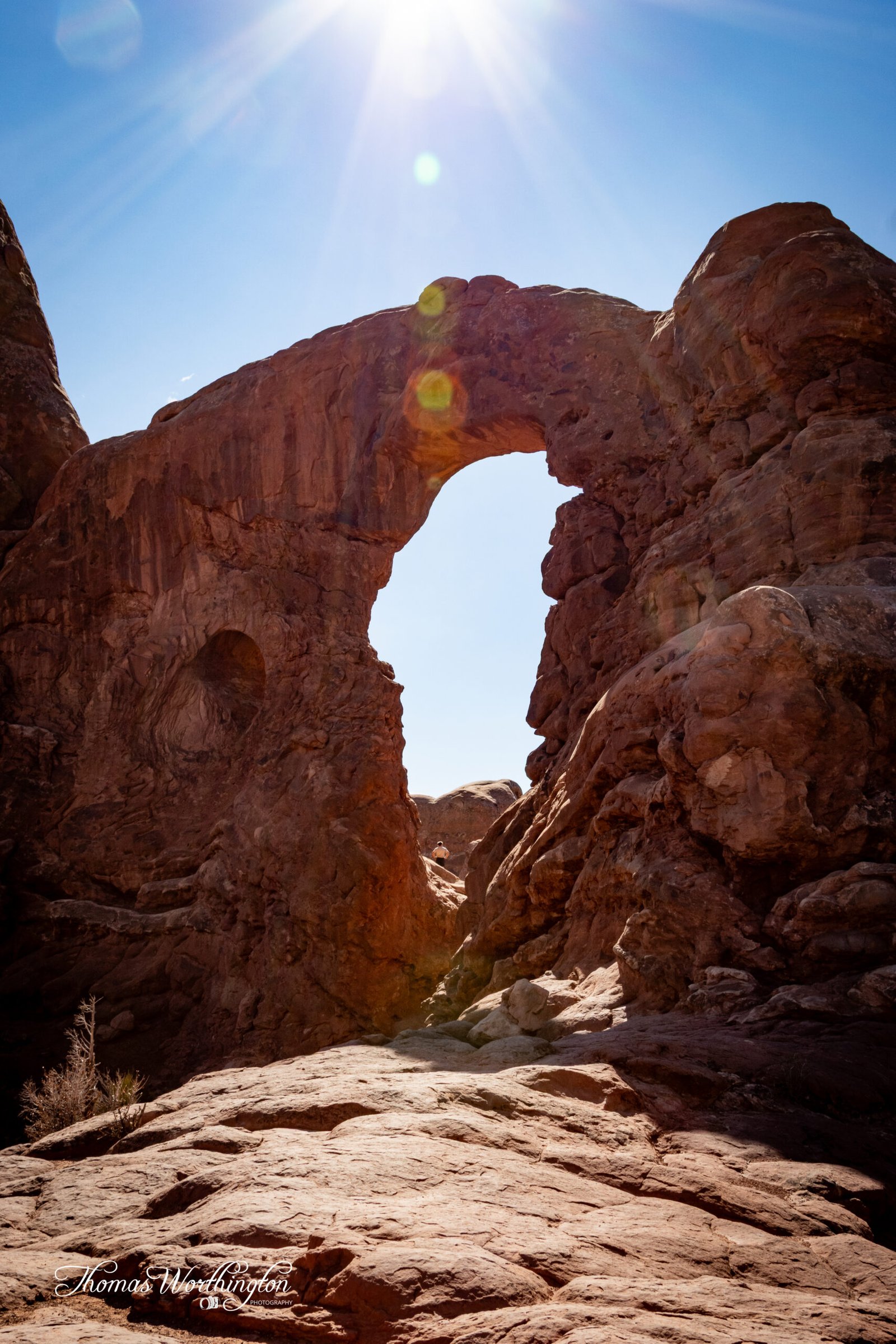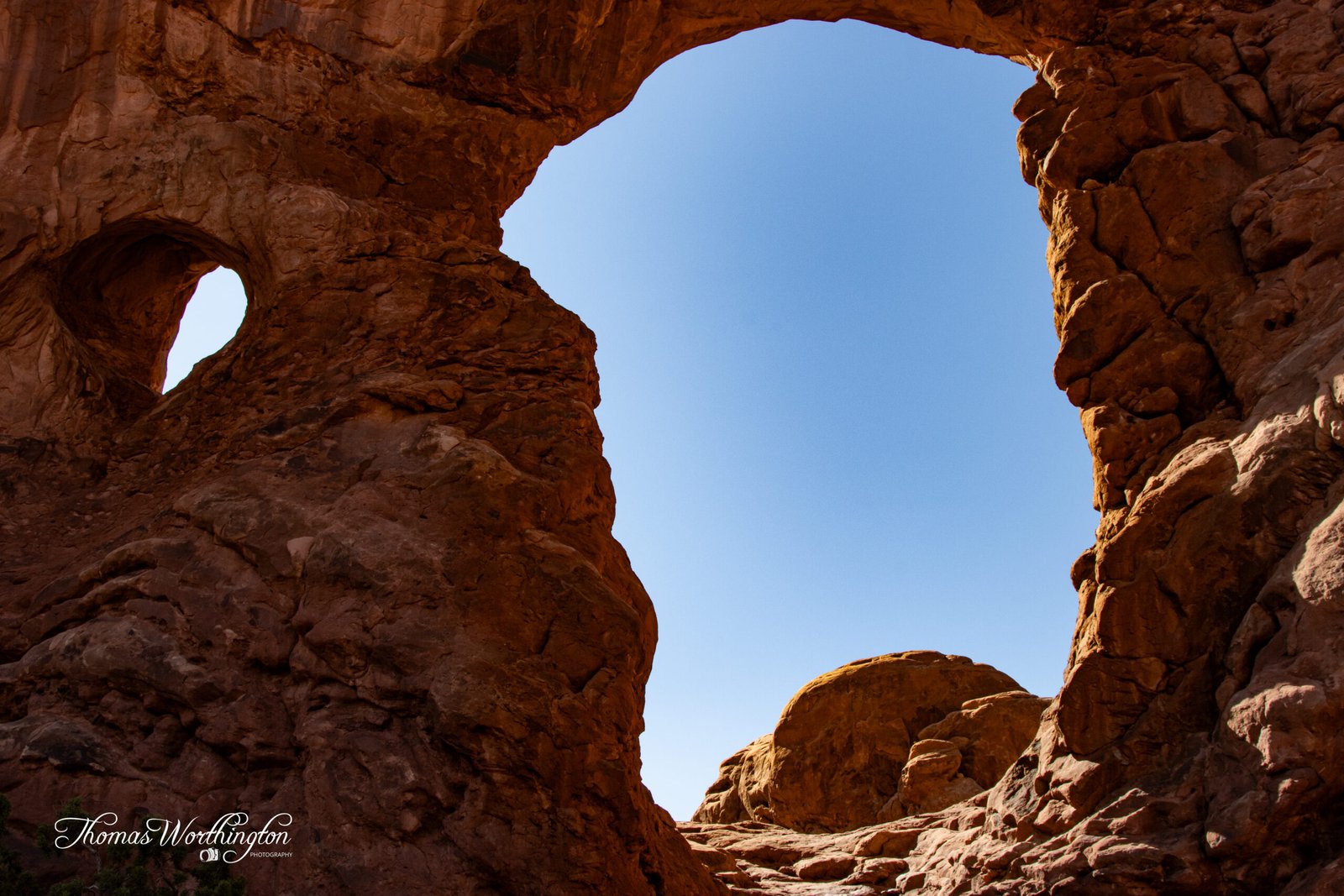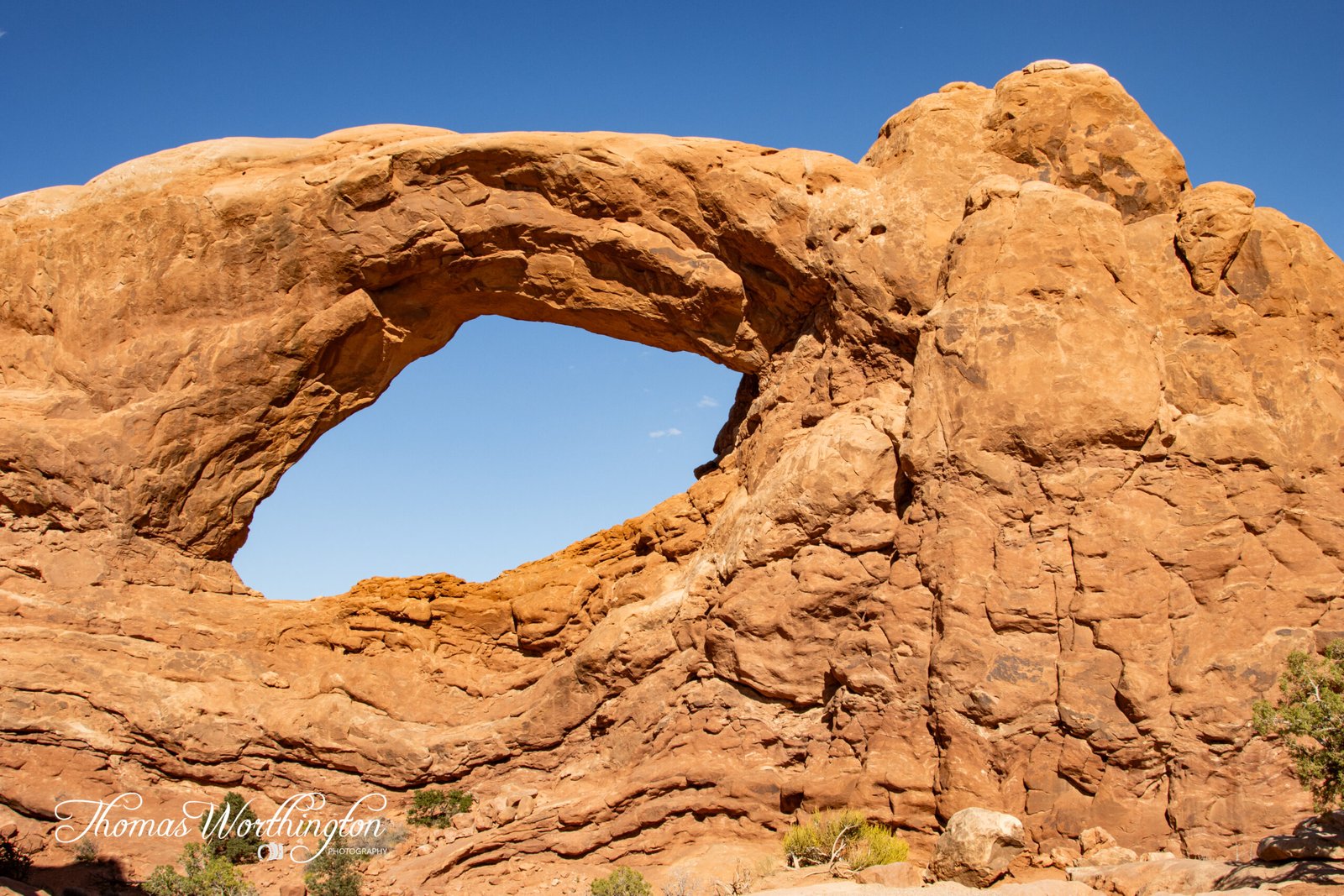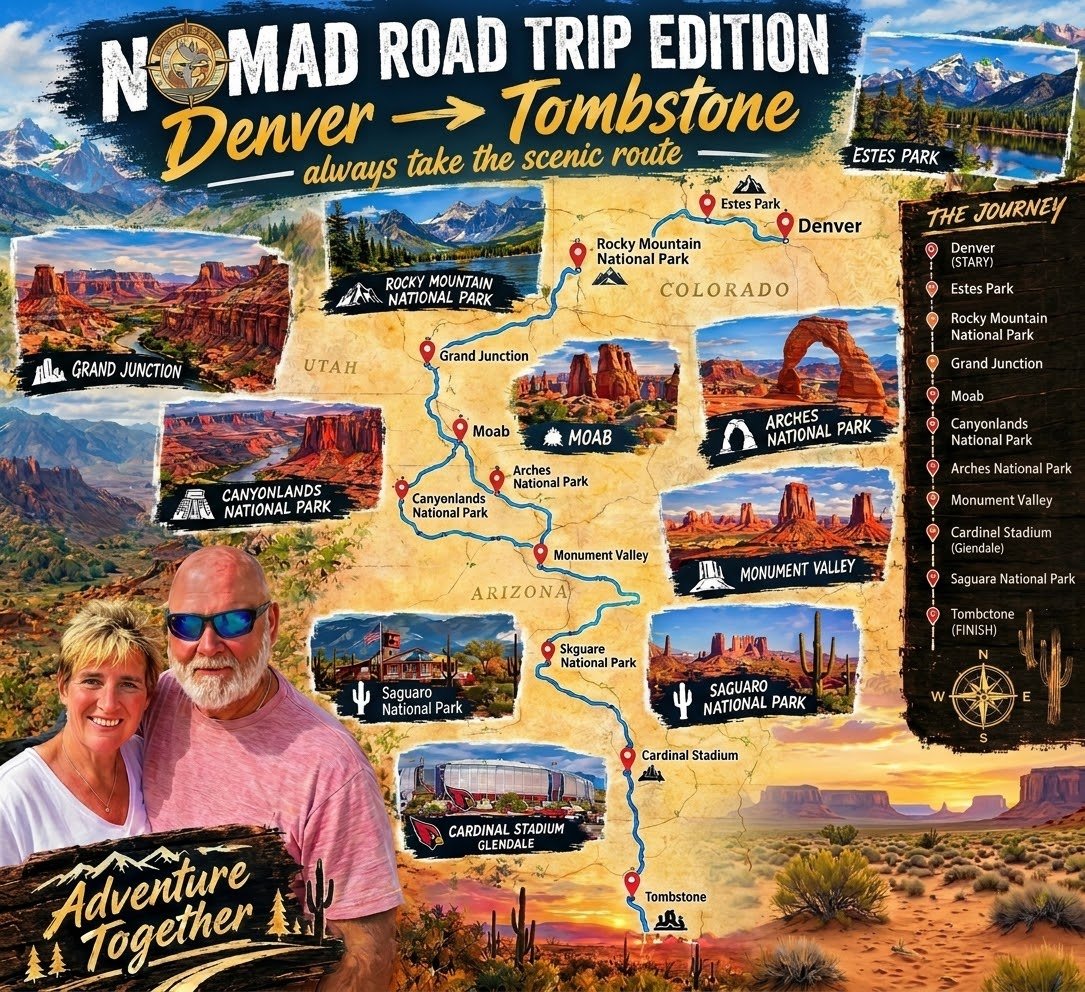

When you're a die-hard Detroit Lions fan, an away game isn't just a matchup on the schedule it’s the perfect excuse for an unforgettable American Southwest road trip. To watch our Detroit Lions take down the Arizona Cardinals in Glendale, we traded a quick direct flight for thousands of miles of open road, stunning national parks, and legendary frontier history.Our journey kicked off in Denver, Colorado, where we rented a car and headed straight for the alpine peaks of Rocky Mountain National Park. Climbing Trail Ridge Road before dawn gave us empty roads, crisp mountain air, and a front-row seat to sunrise over the tundra before we descended into Grand Junction for a retro riverside stay in a vintage Airstream. Crossing into Utah, we explored the red rock wonders of Moab marveling at the iconic sandstone formations in Arches National Park and taking in the dramatic abysses of Canyonlands National Park, complete with a dashboard PB&J perched right on a 1,000-foot cliff edge.
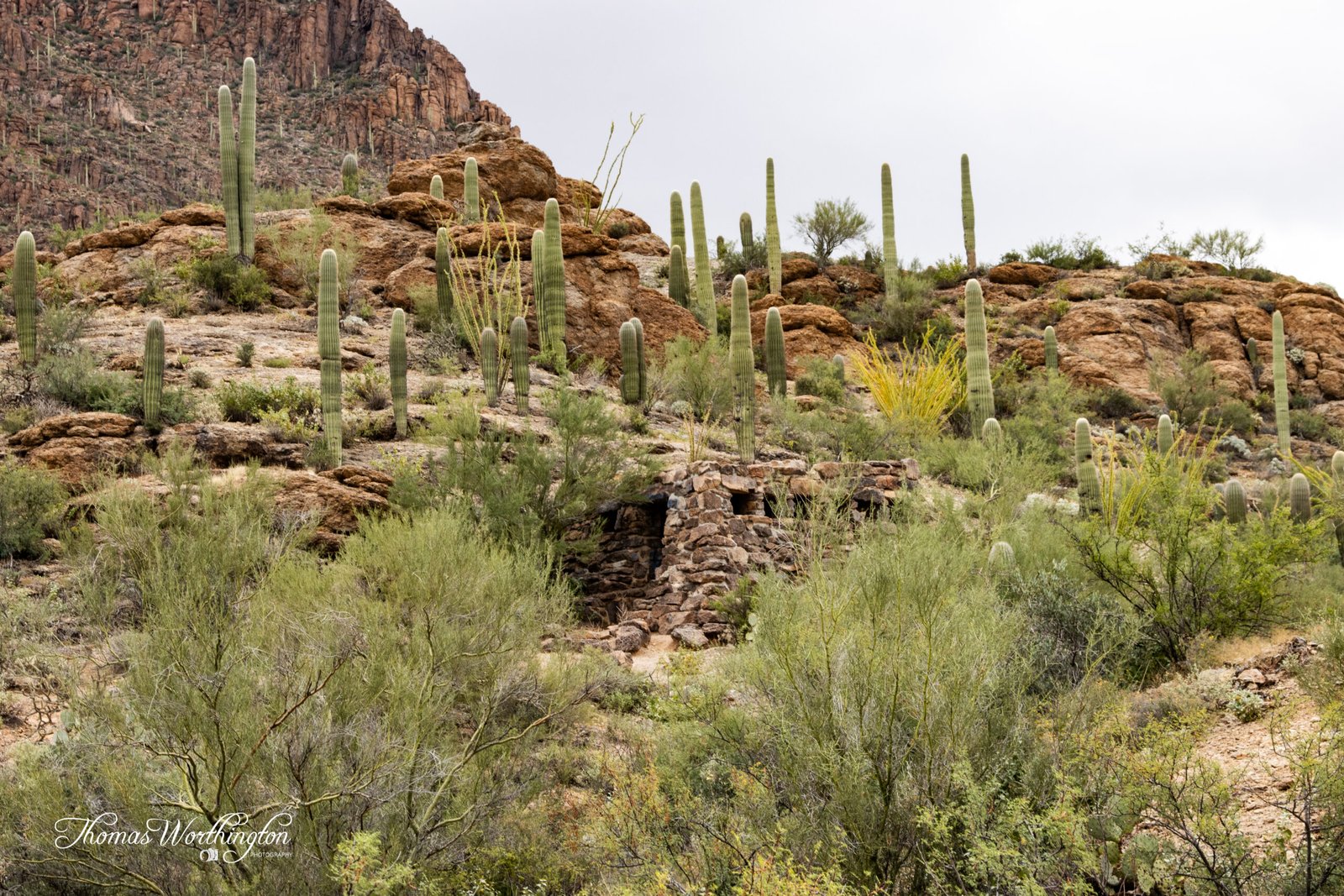
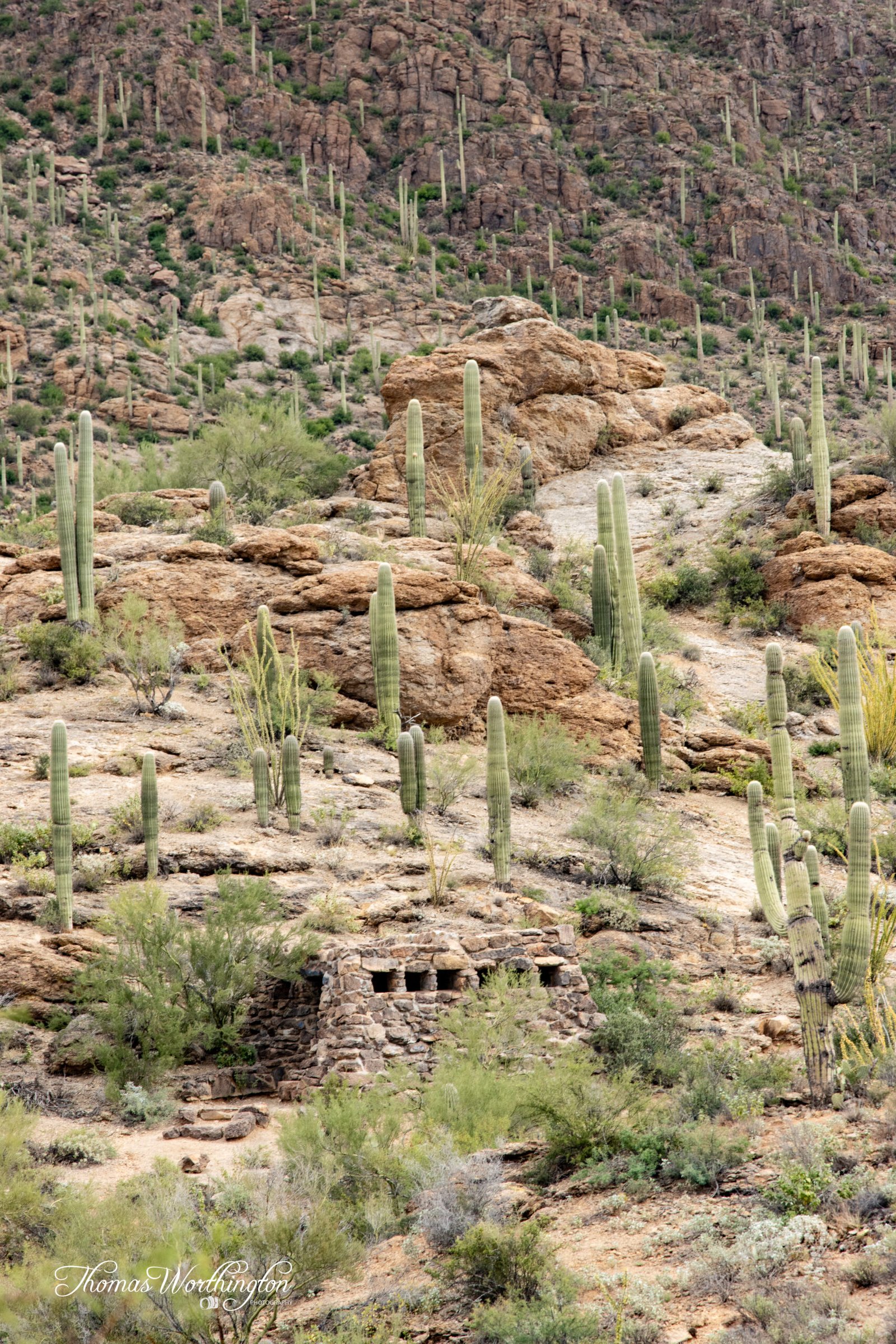
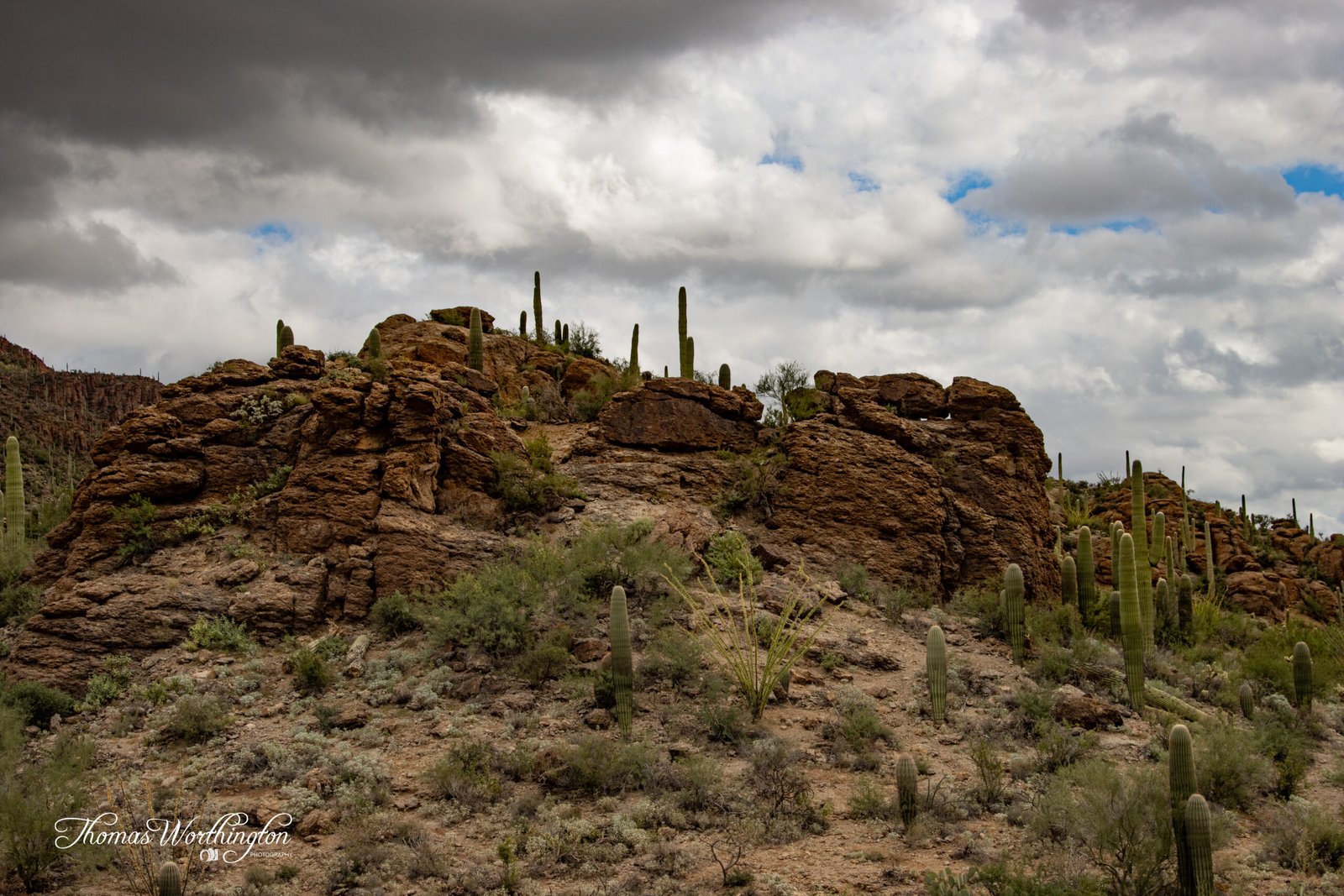
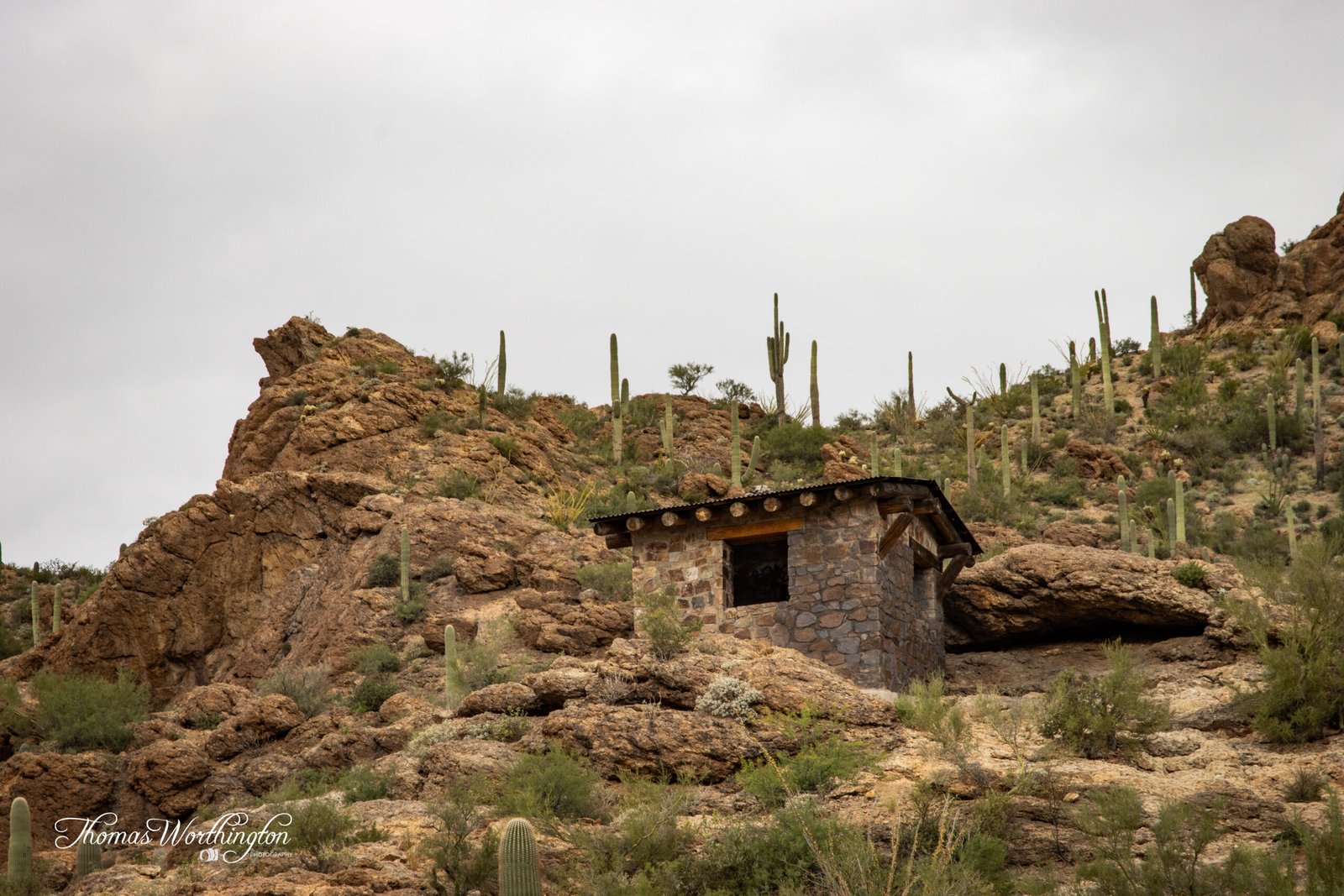
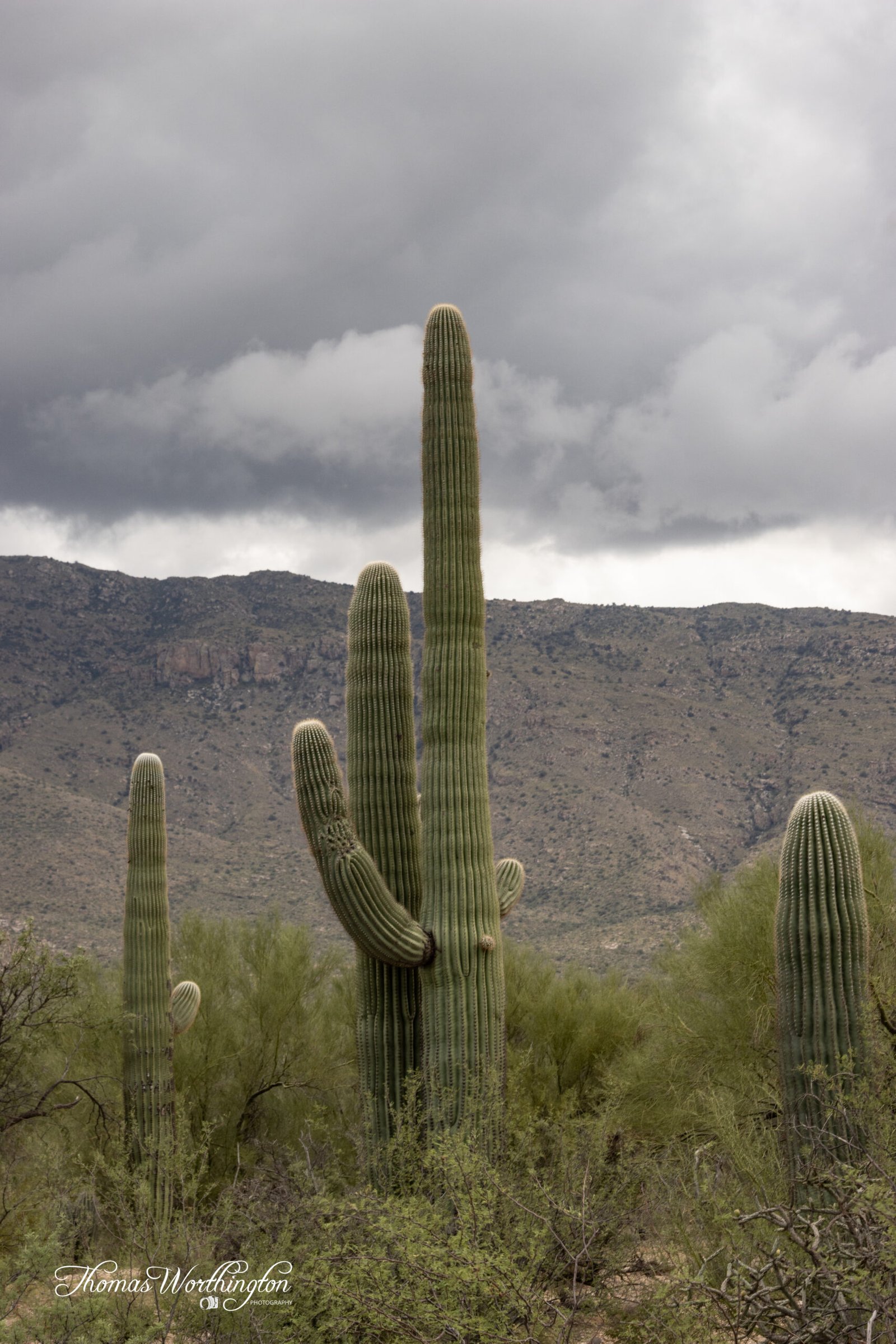
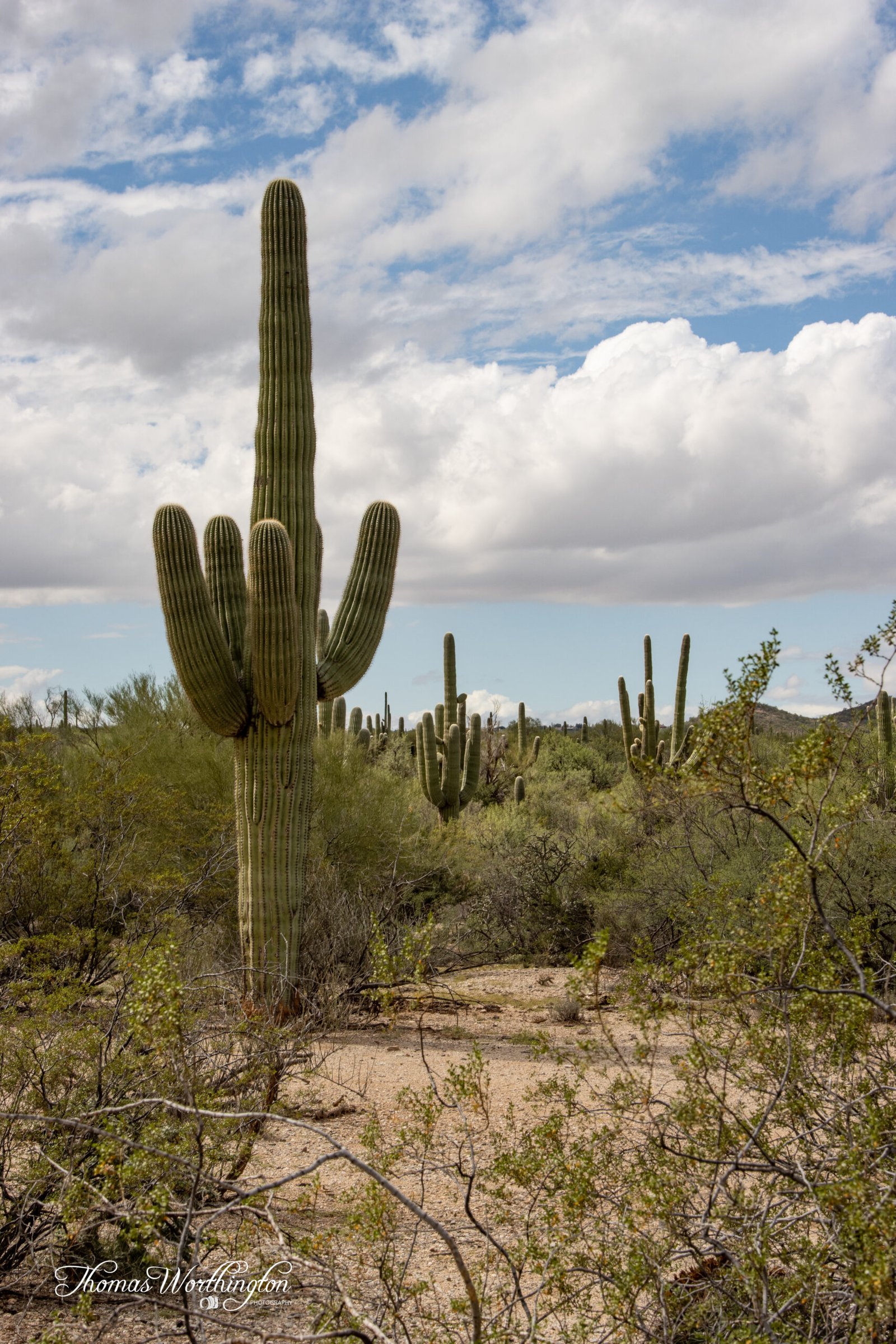
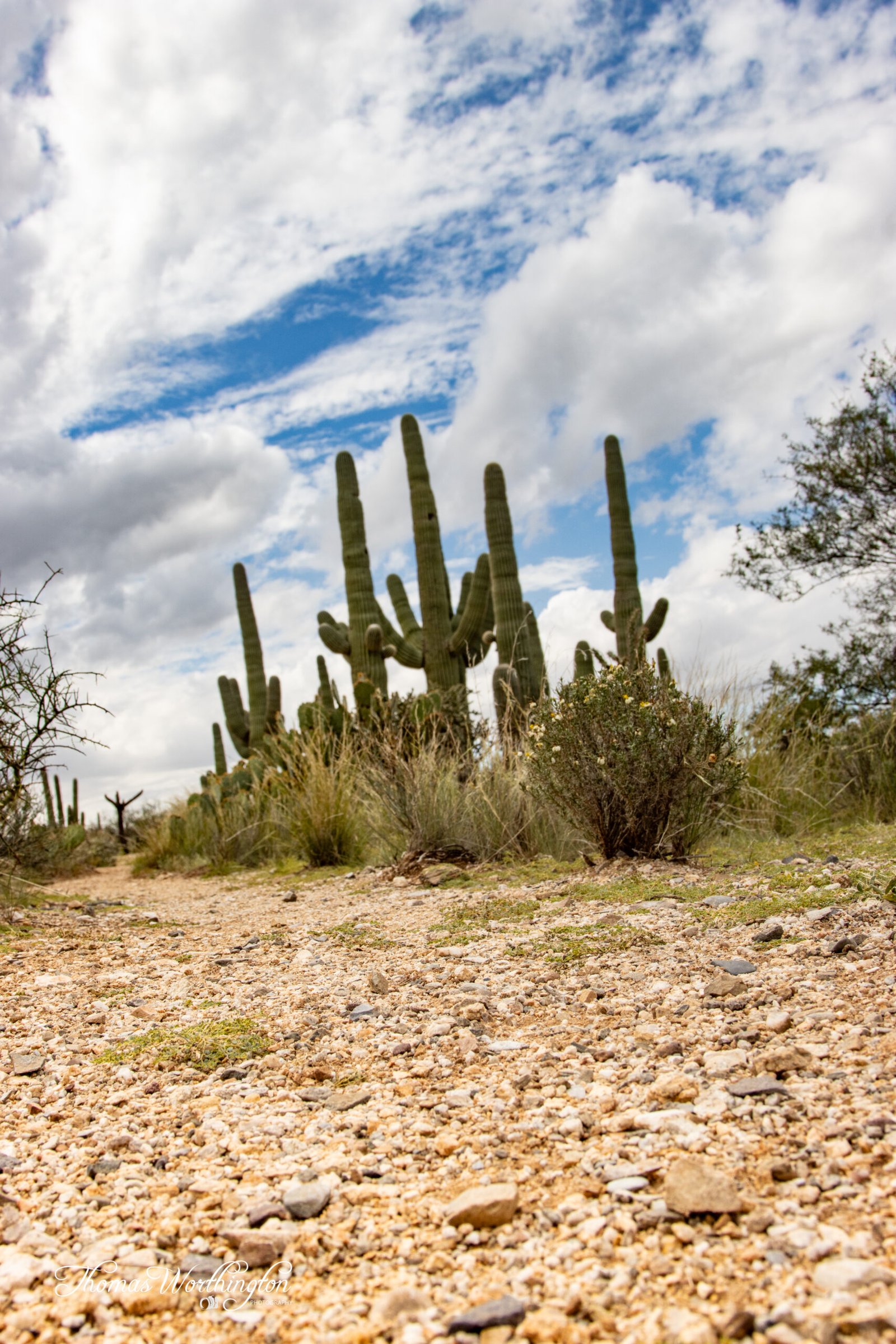
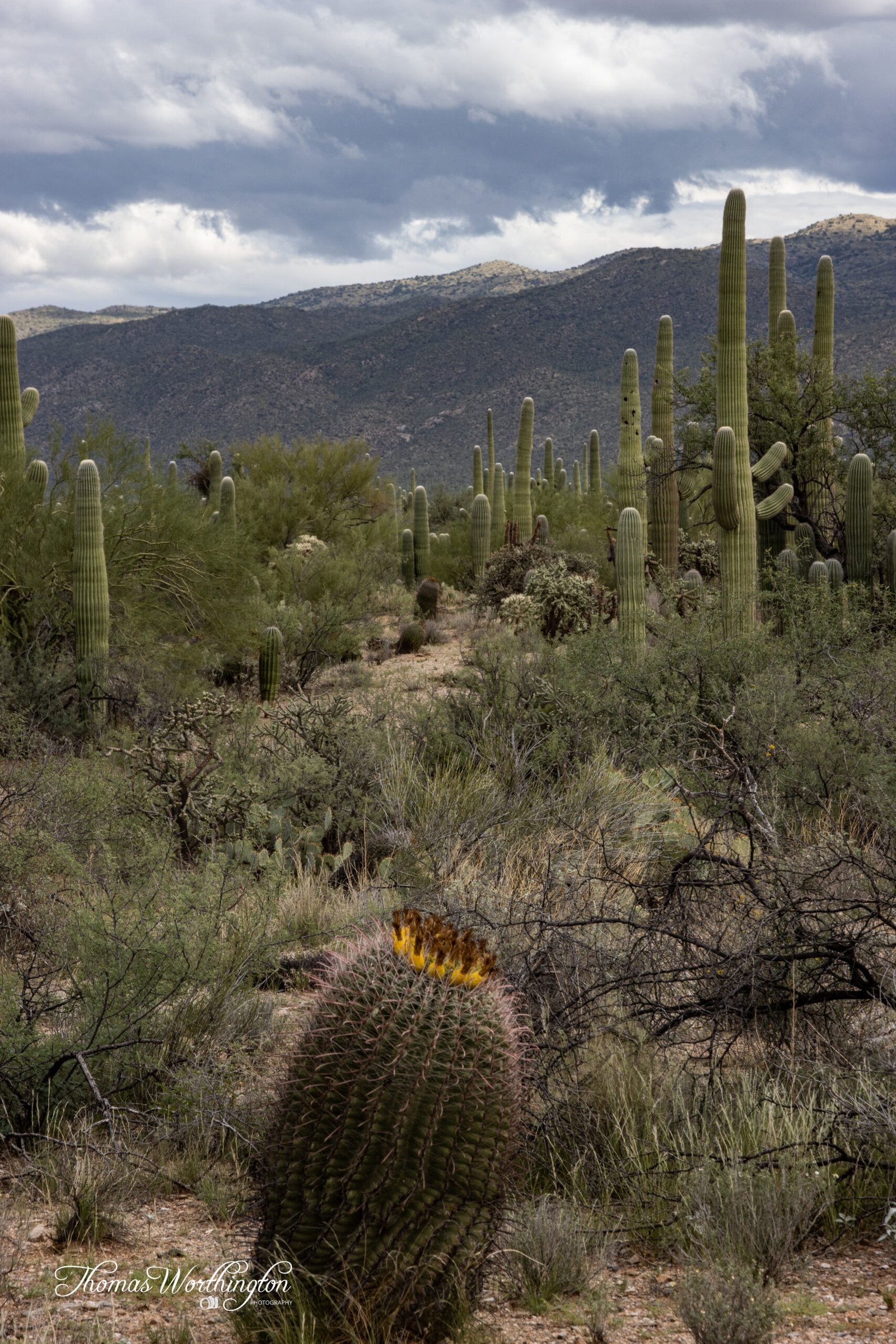
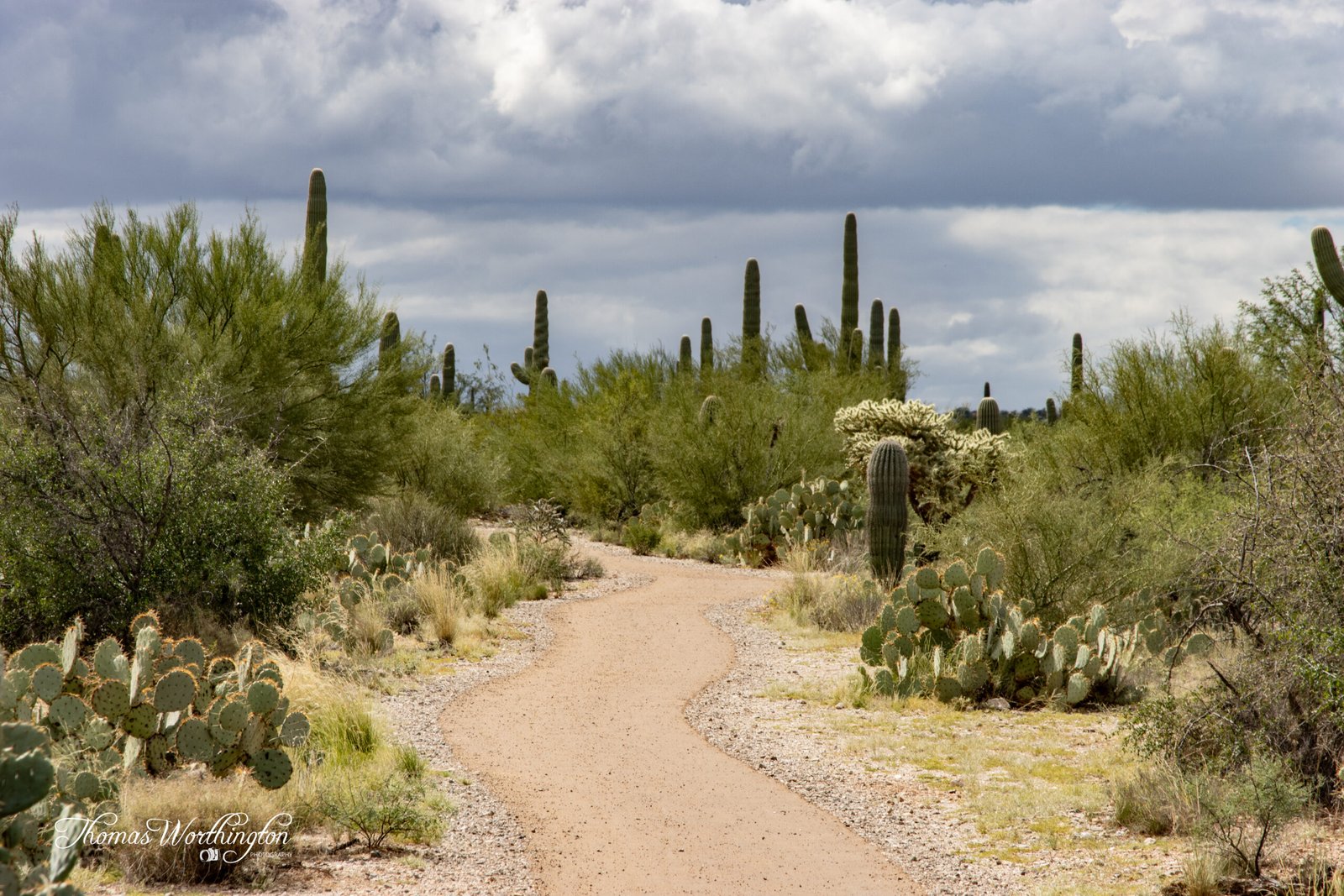
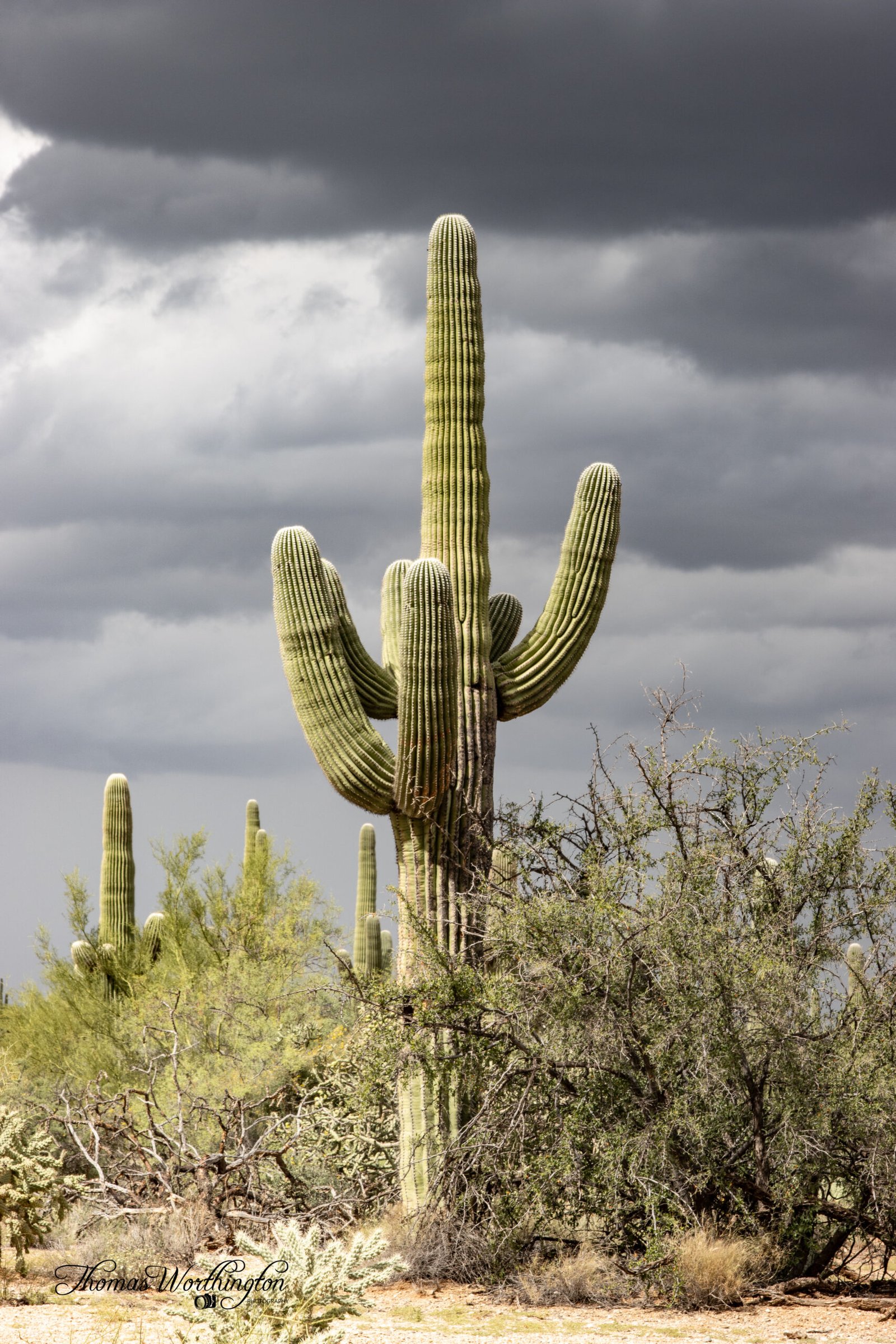
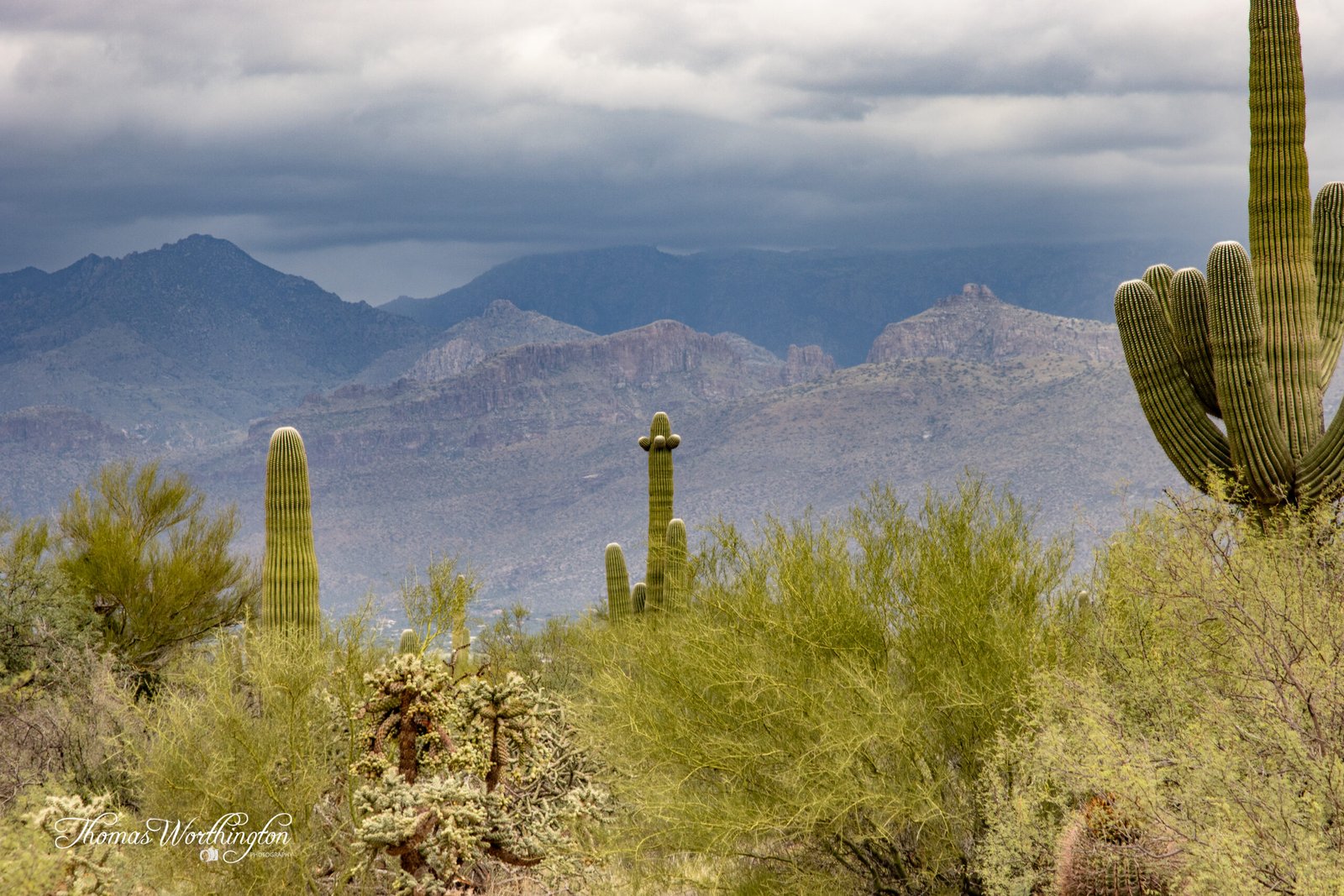
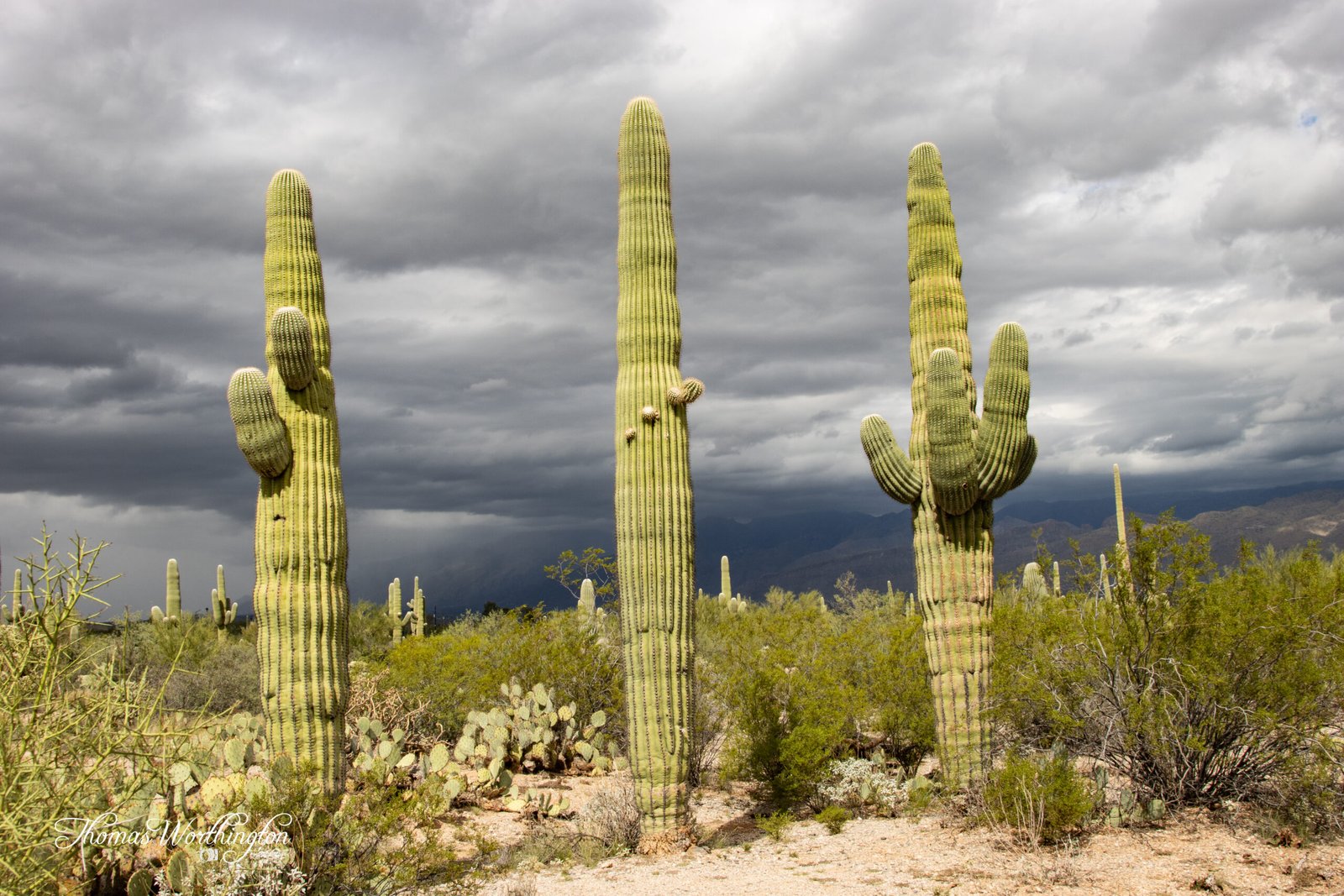
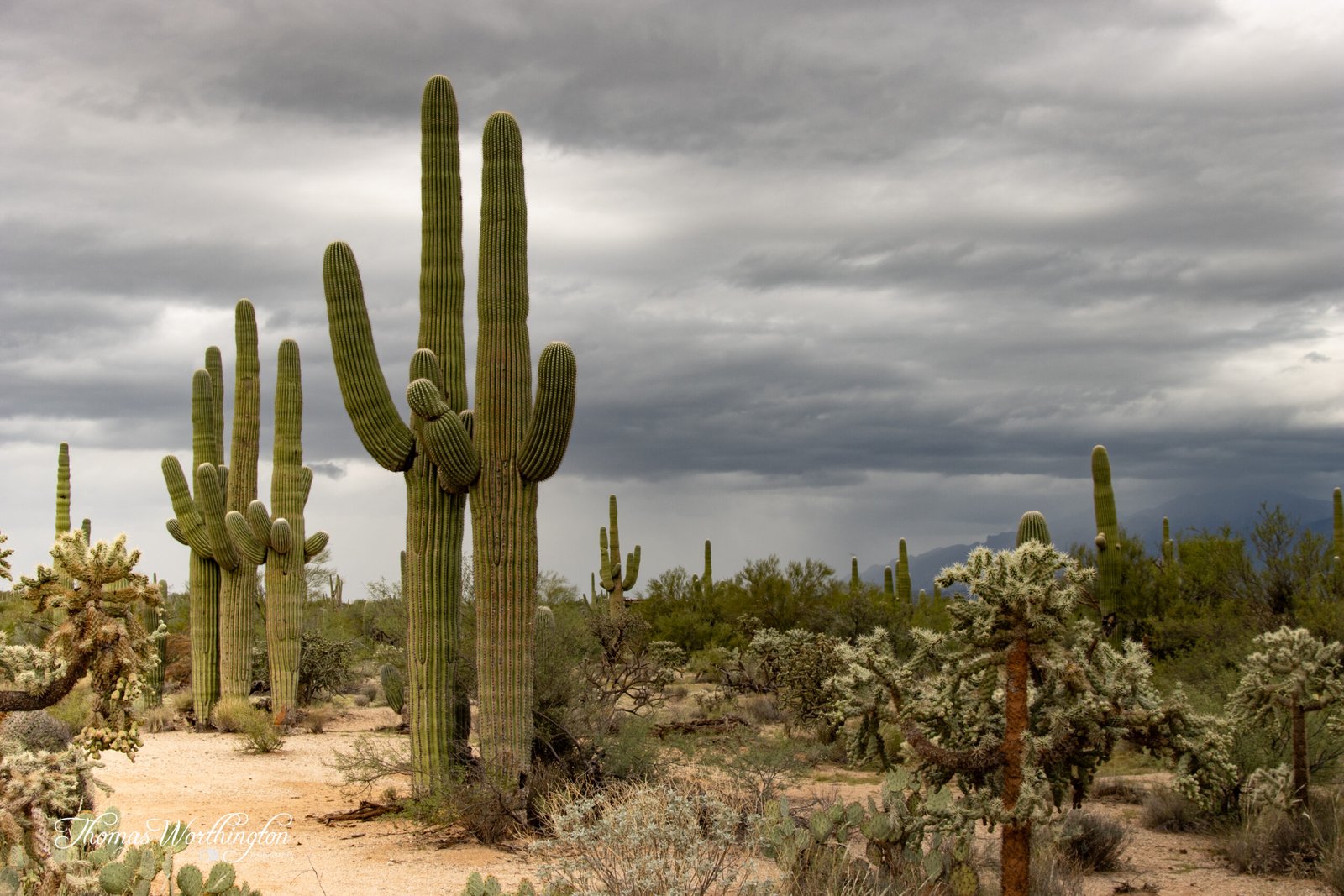
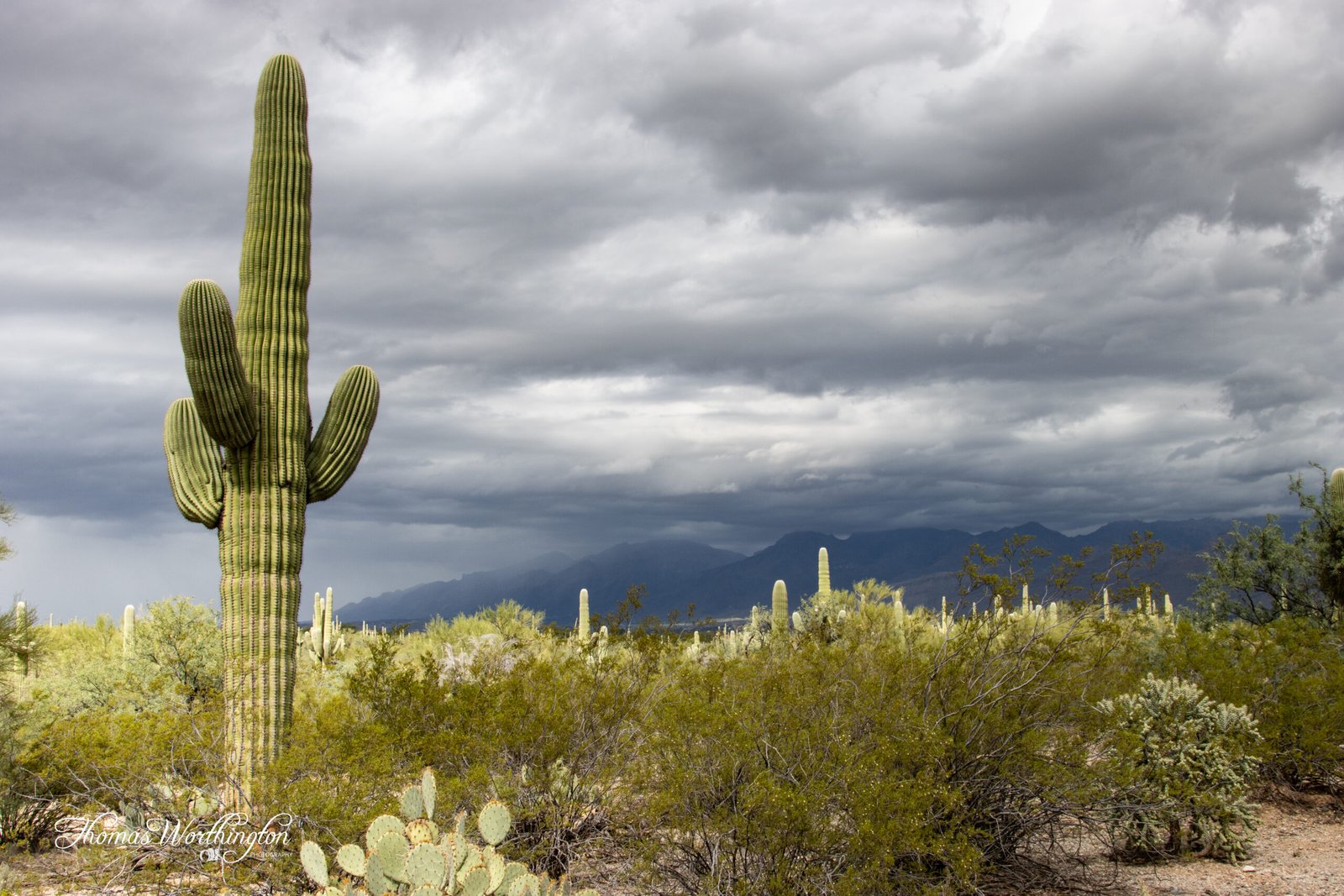
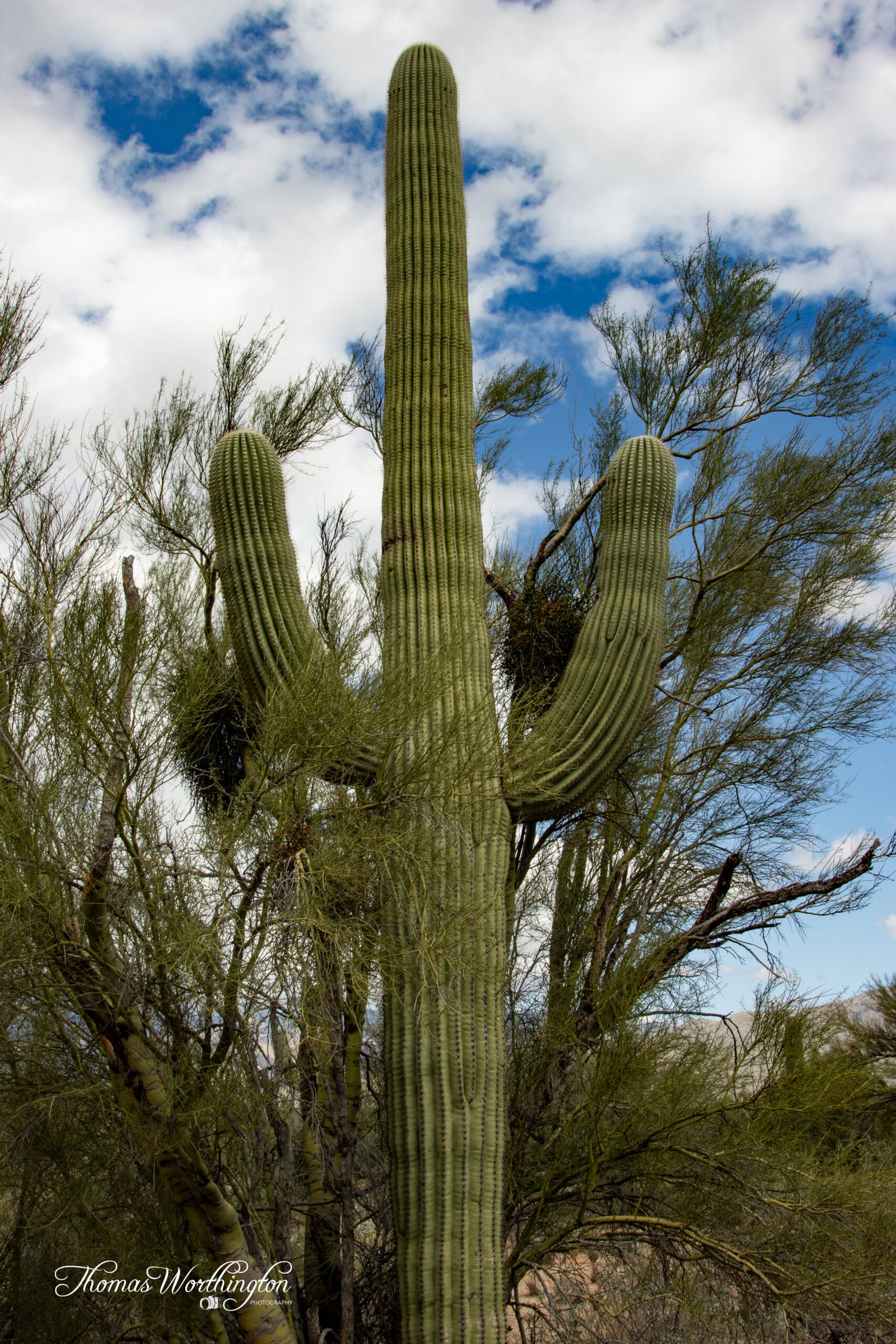
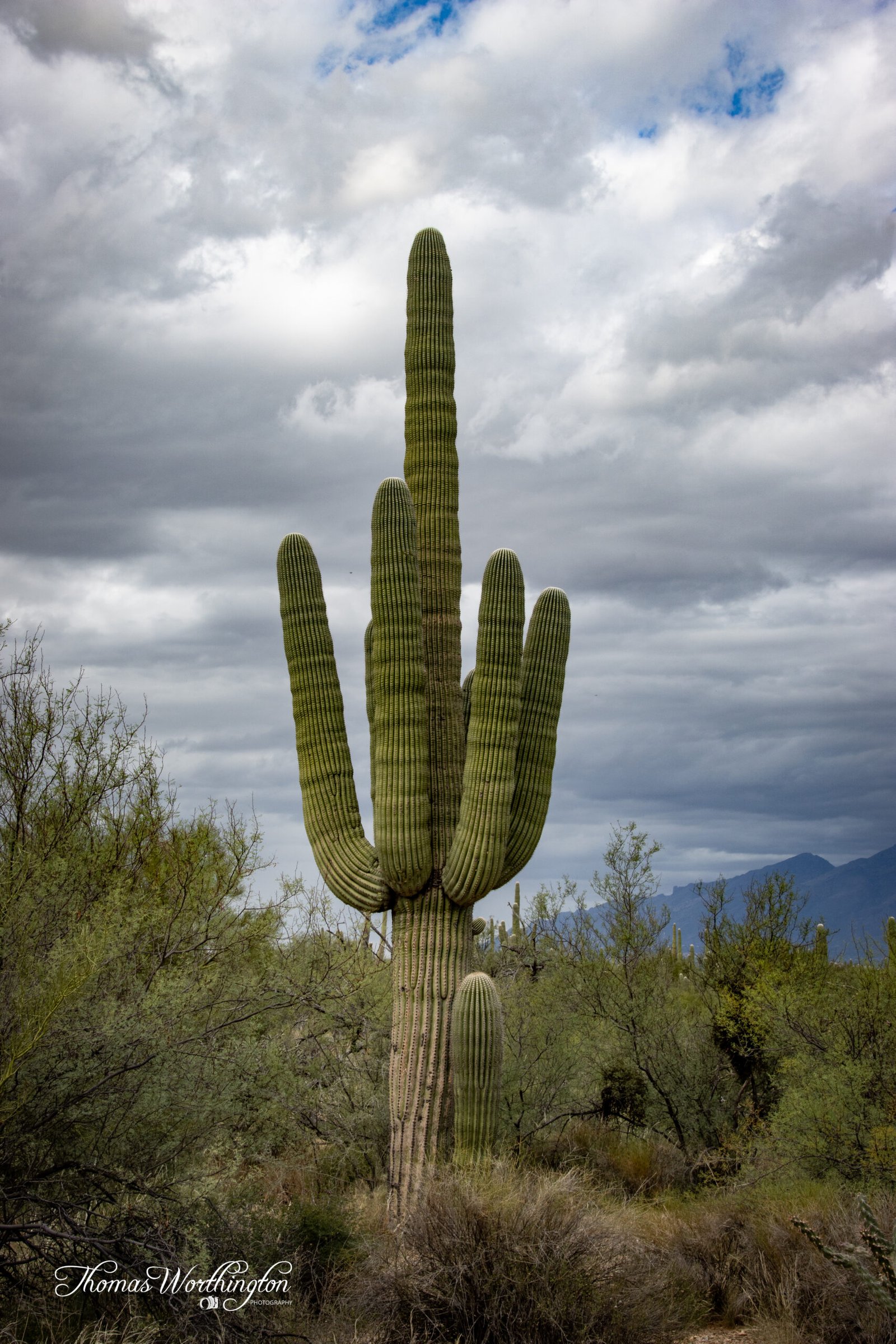
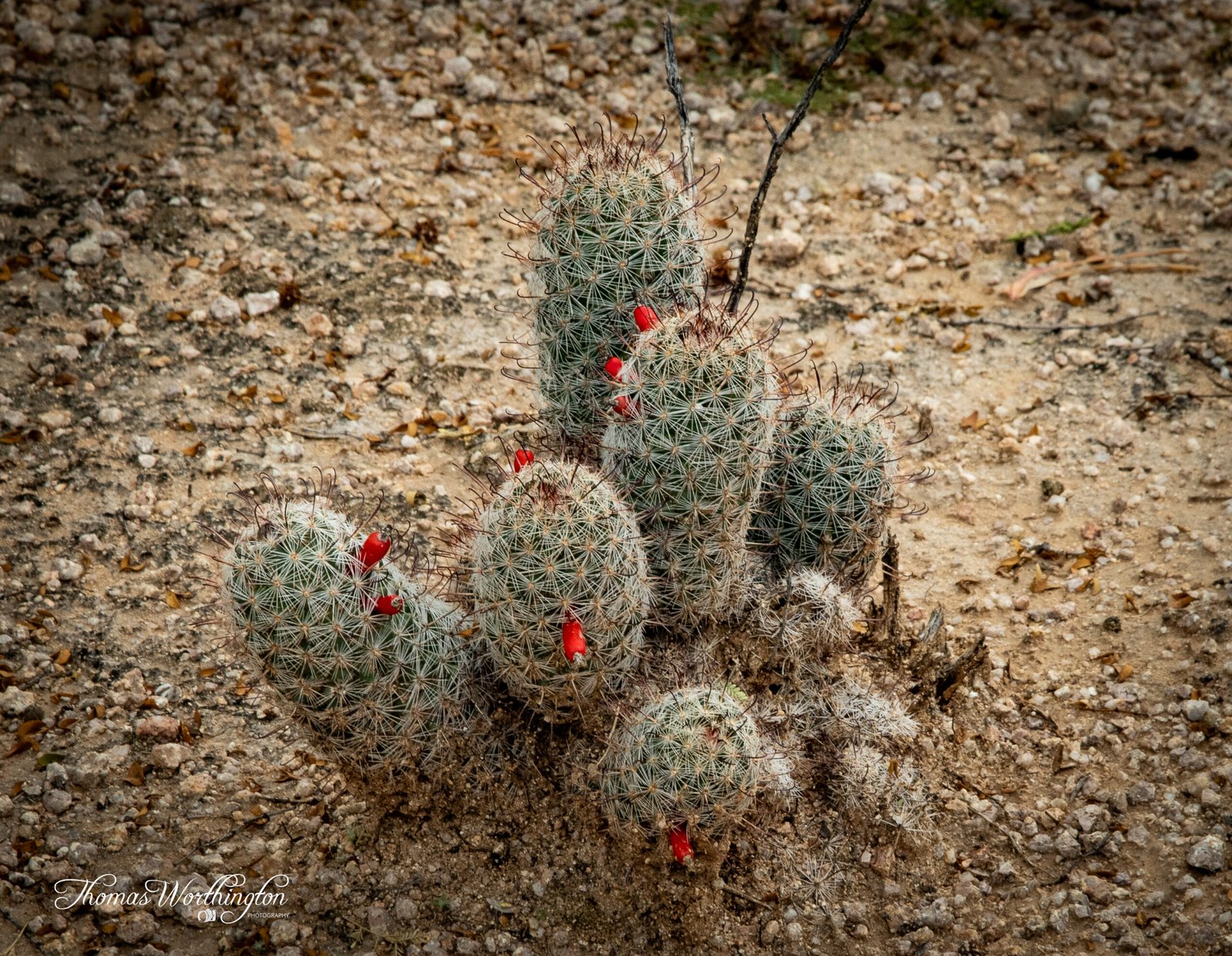
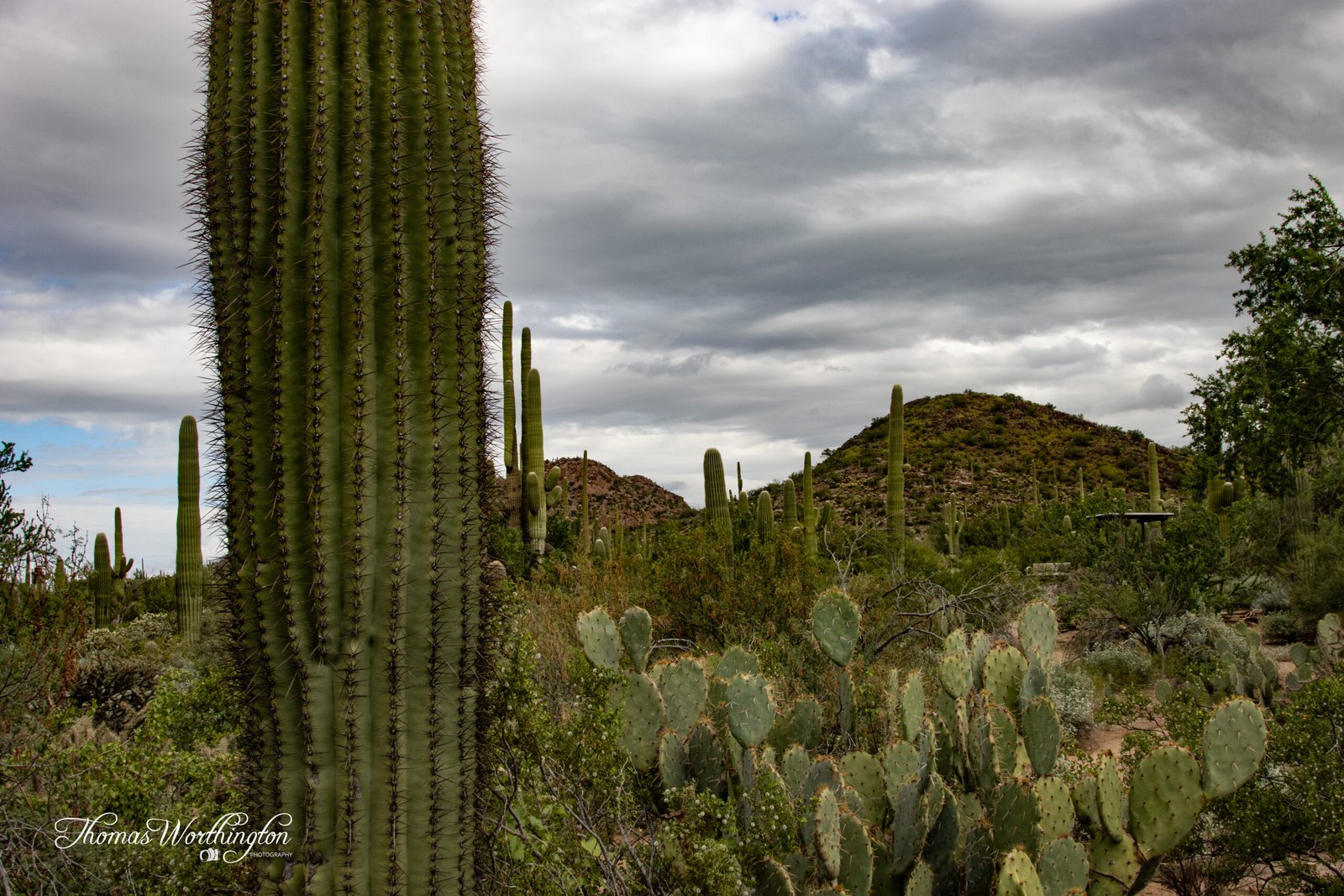
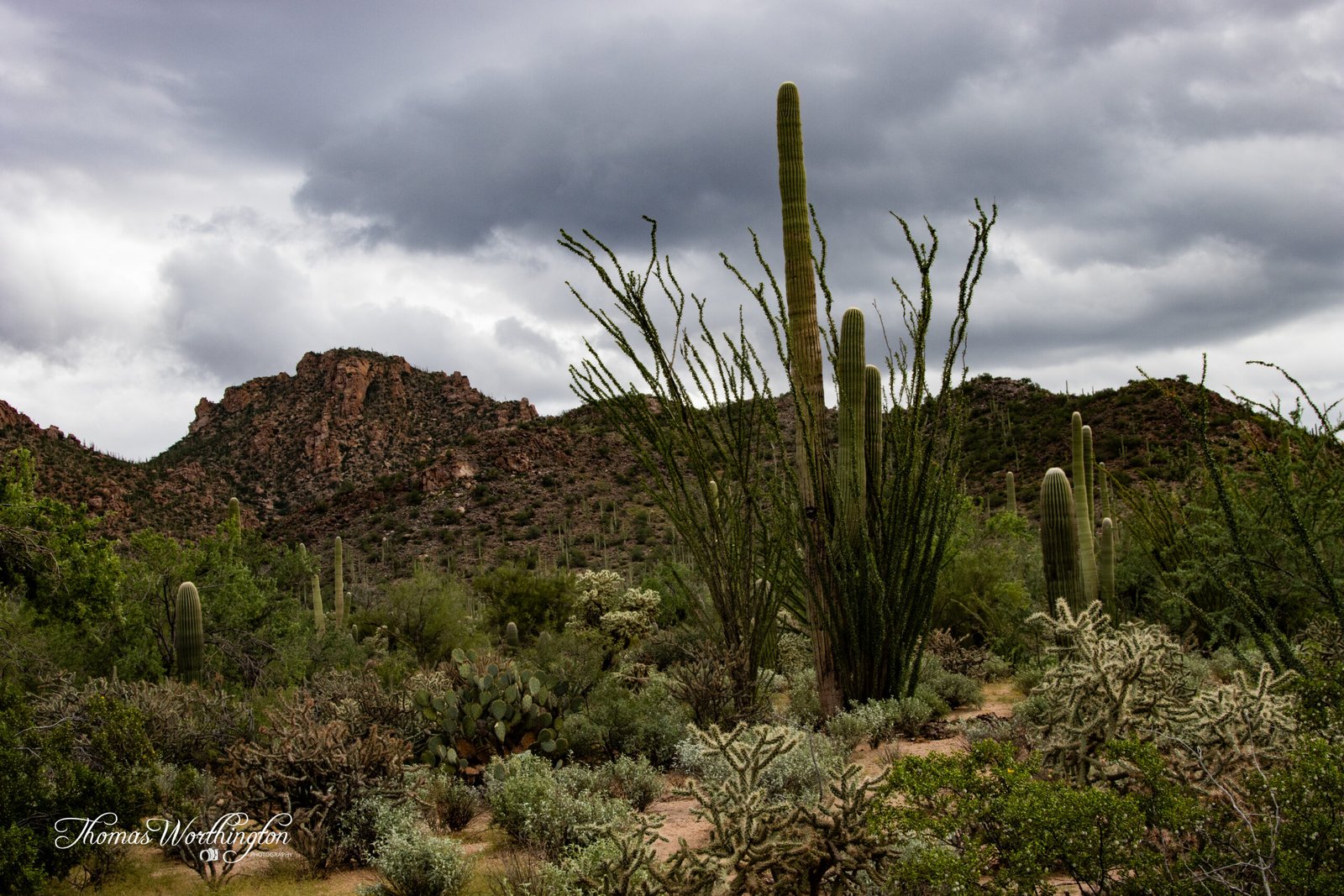
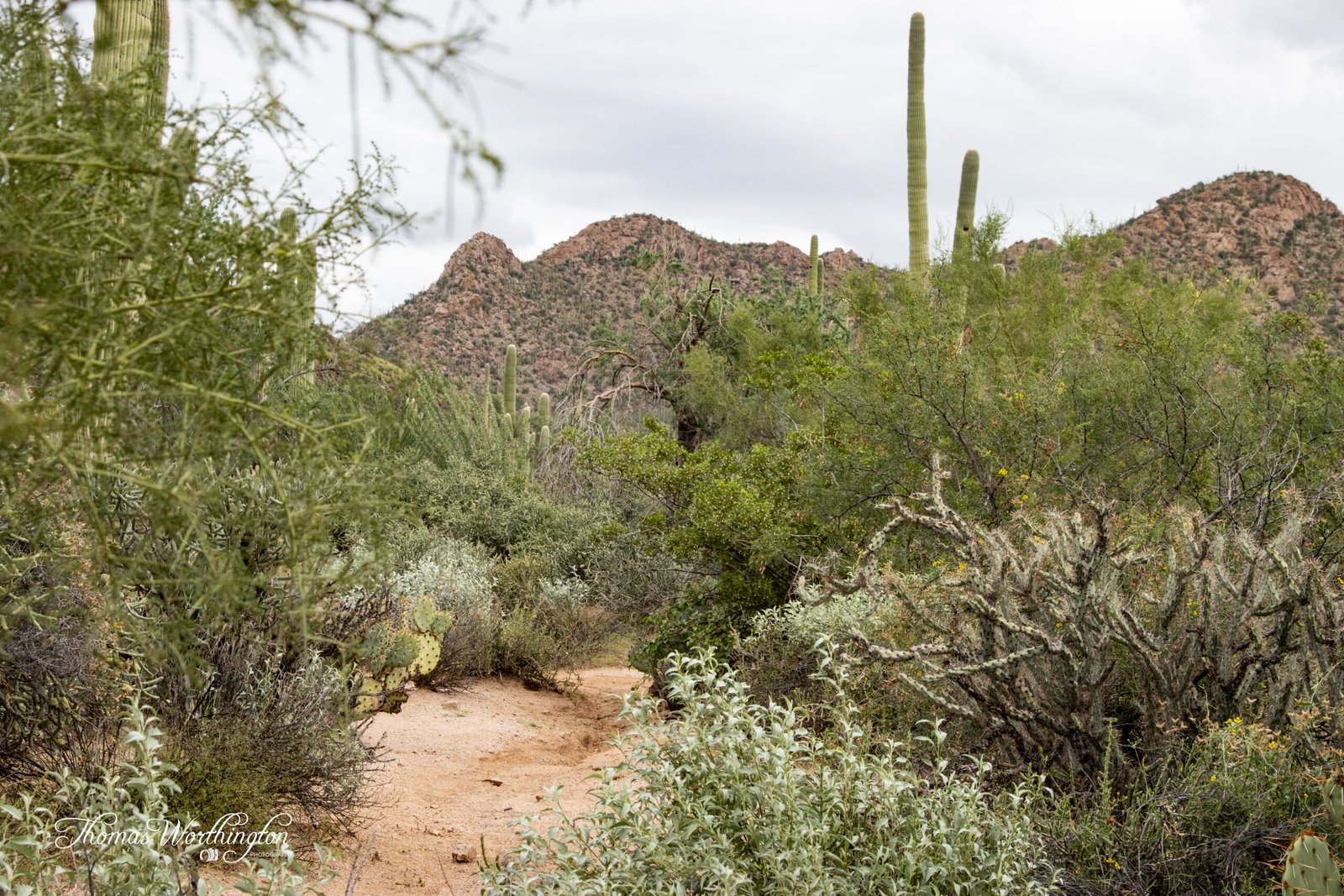
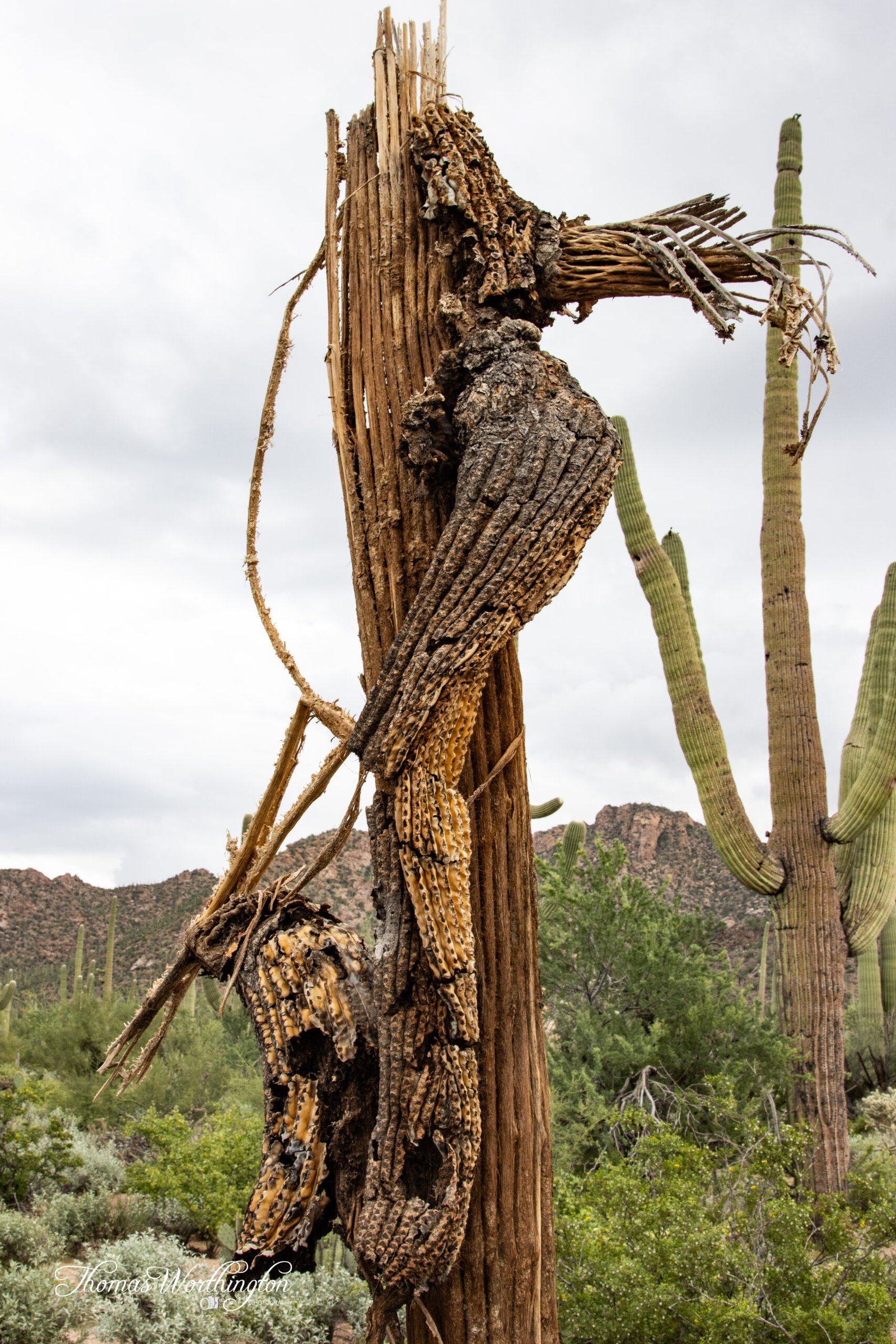
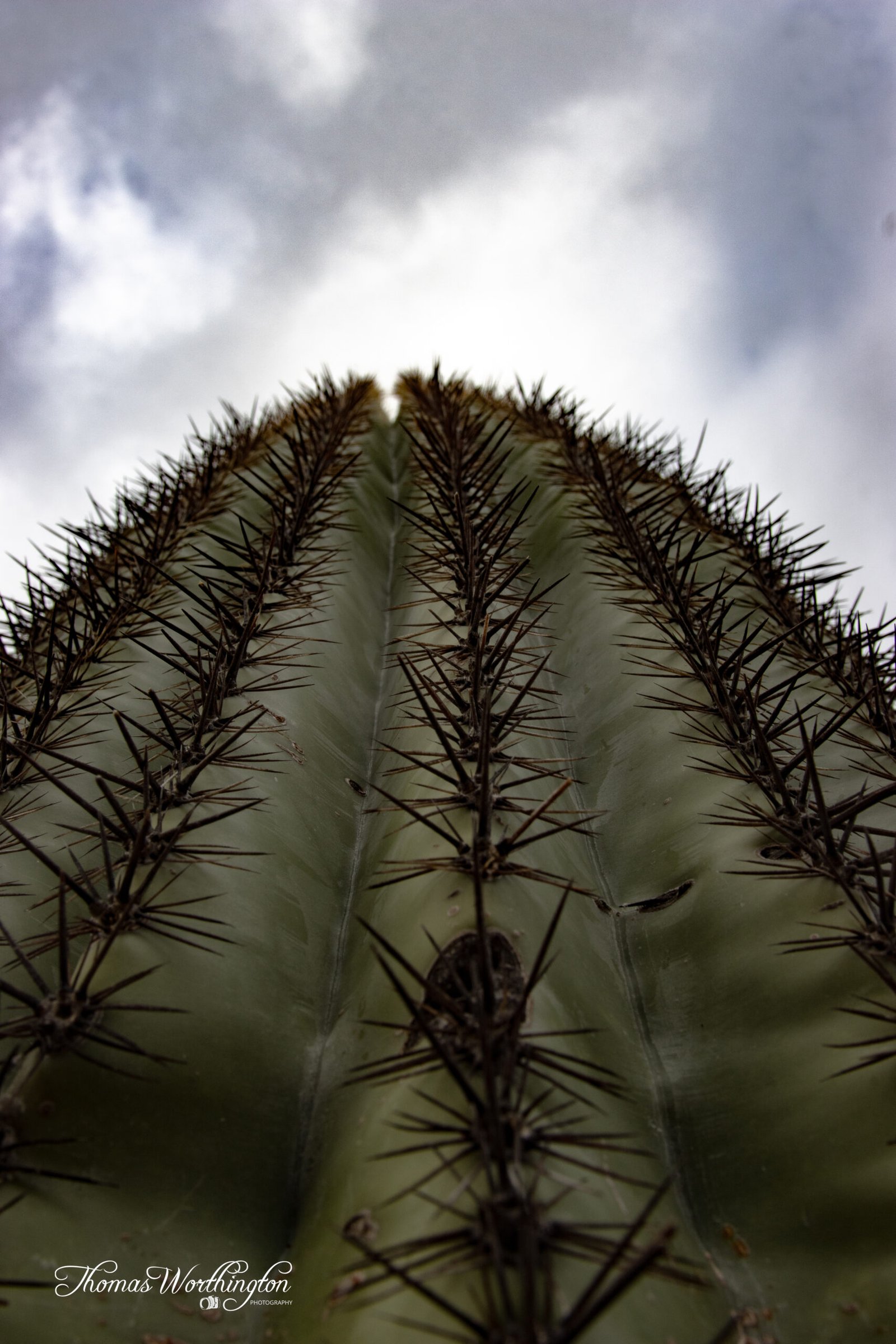
After taking in the main event in Glendale and watching our Lions take care of business on game day, the adventure was far from over. We headed south to experience the iconic Sonoran Desert in Saguaro National Park exploring both the dense cactus forests of Saguaro West and the sweeping mountain vistas of Saguaro East.
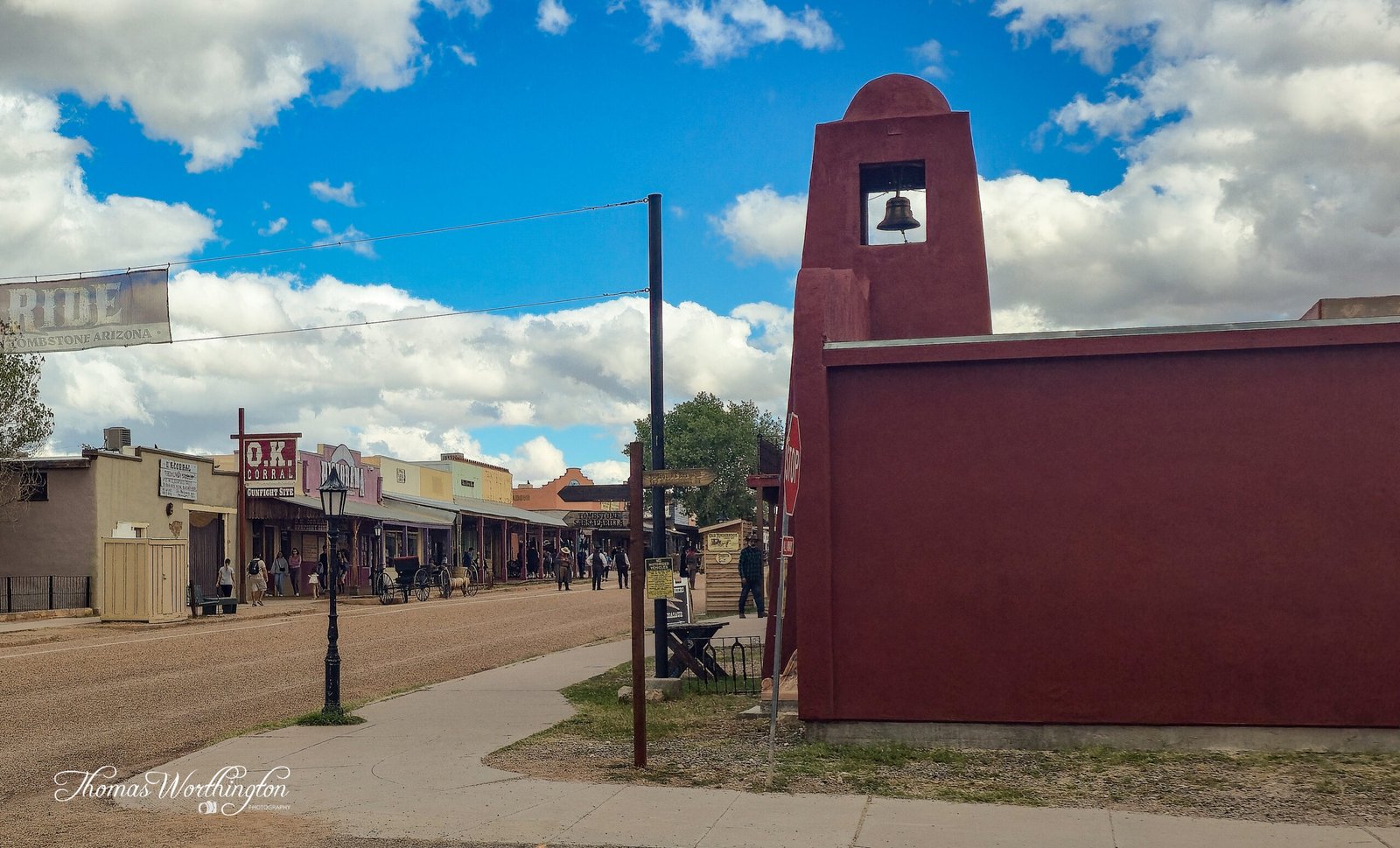
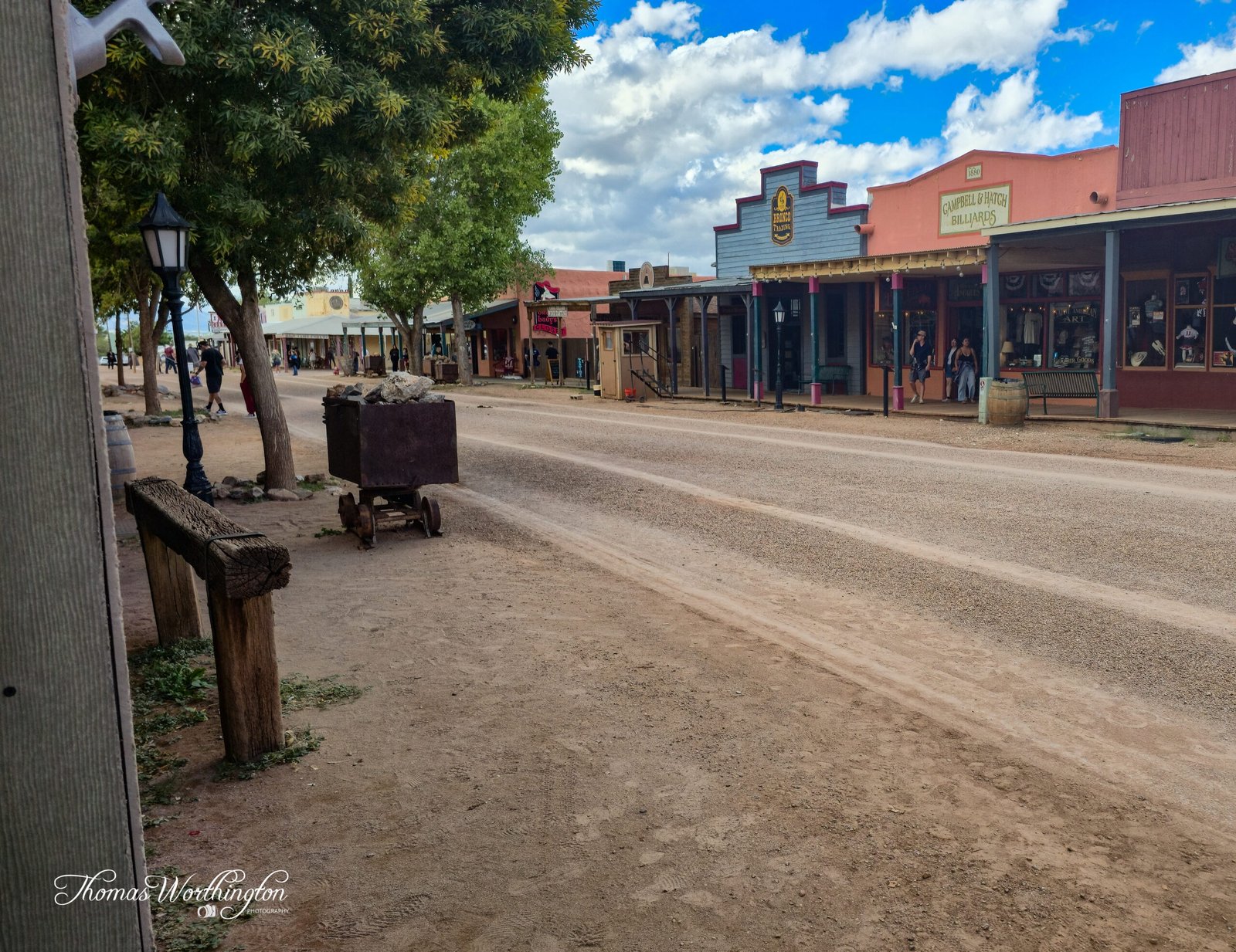
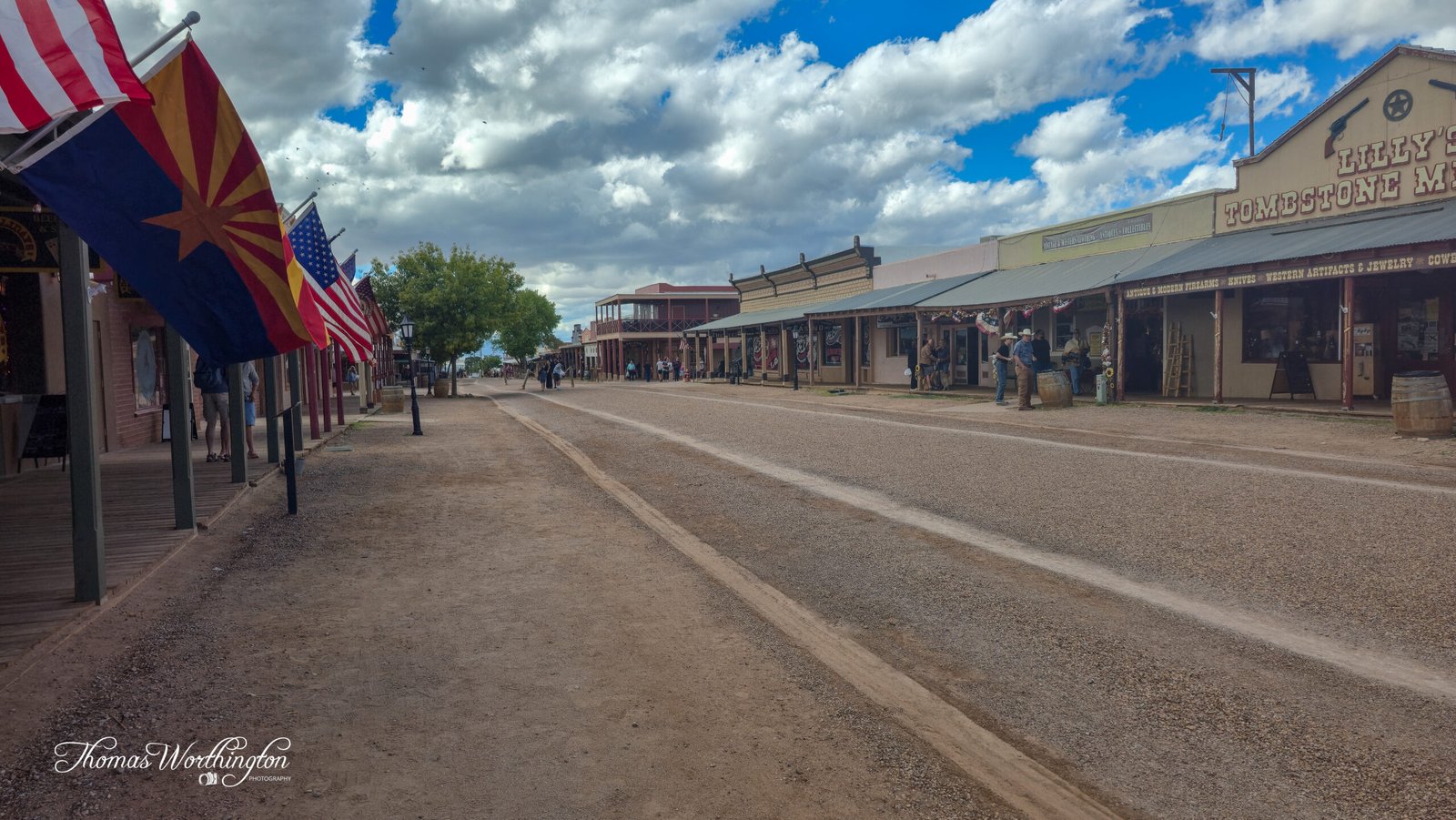
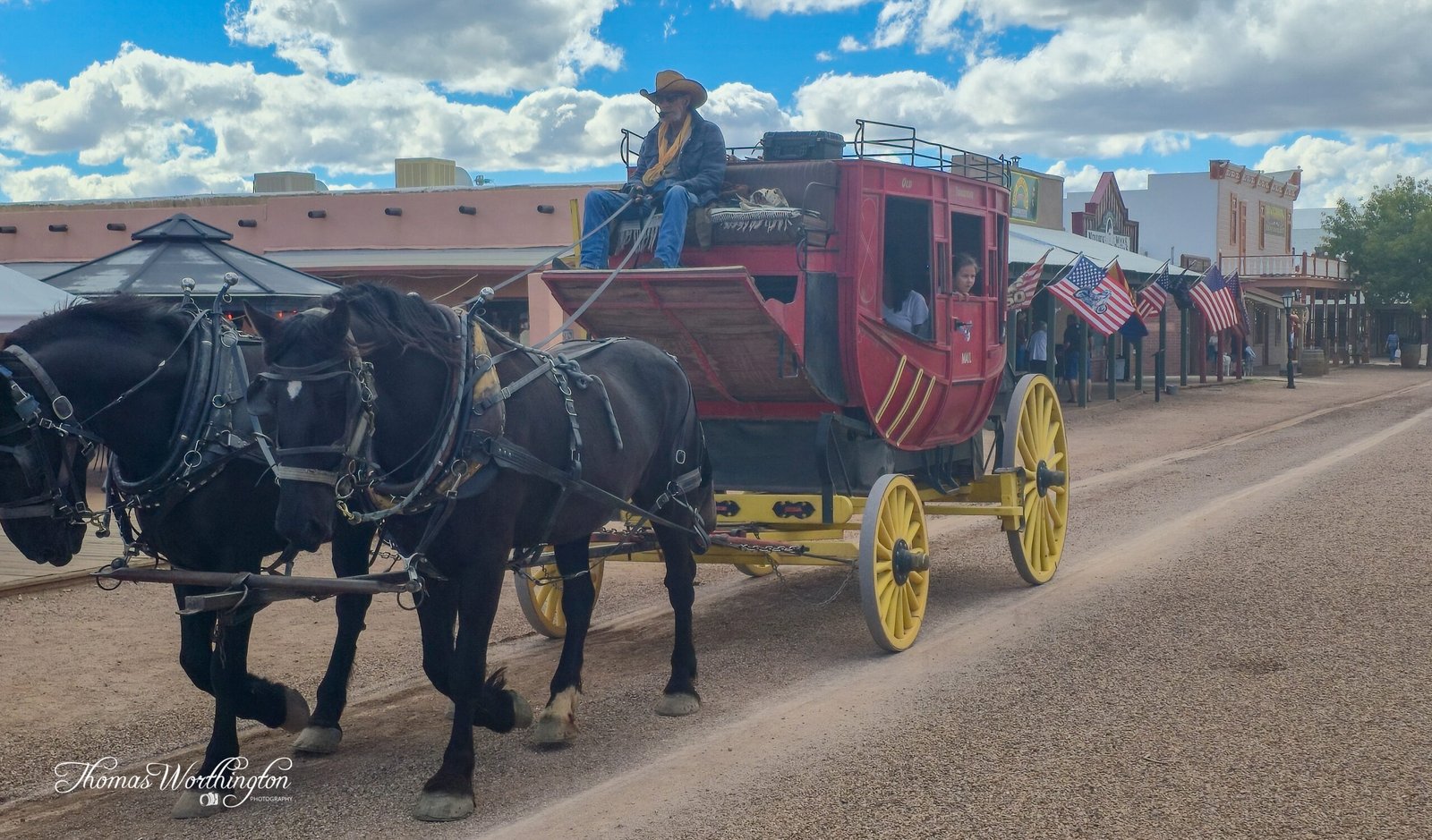
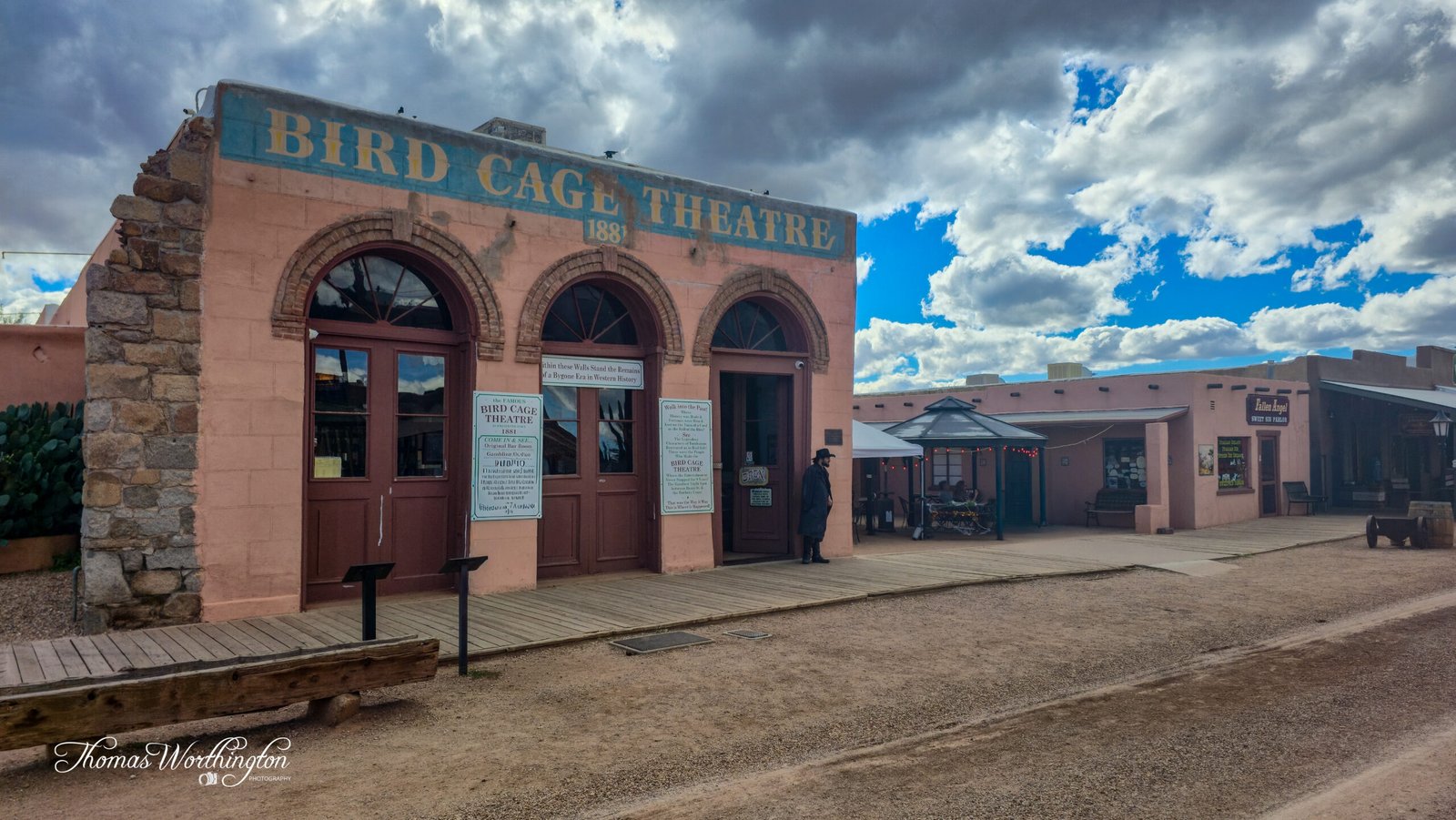
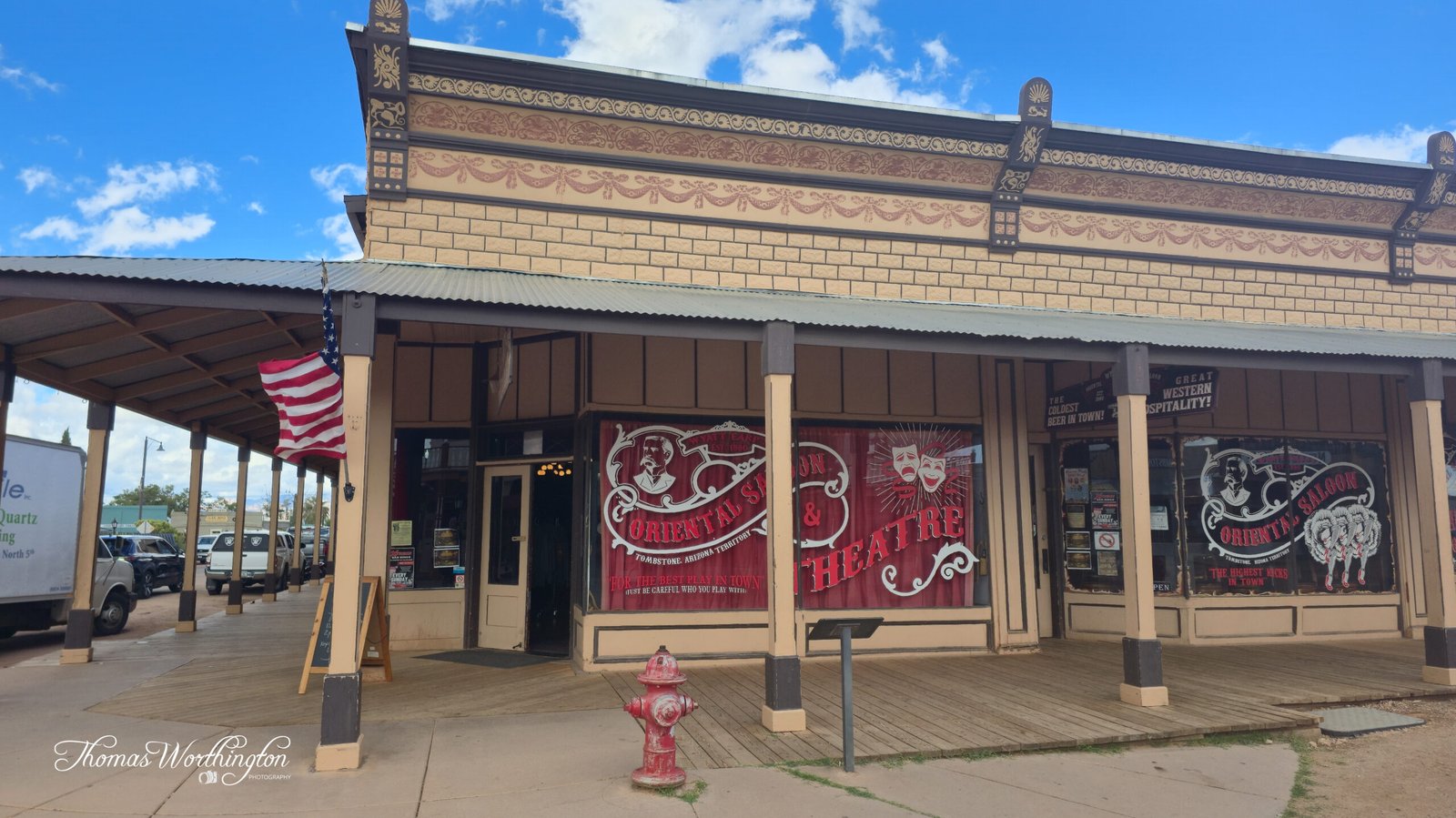
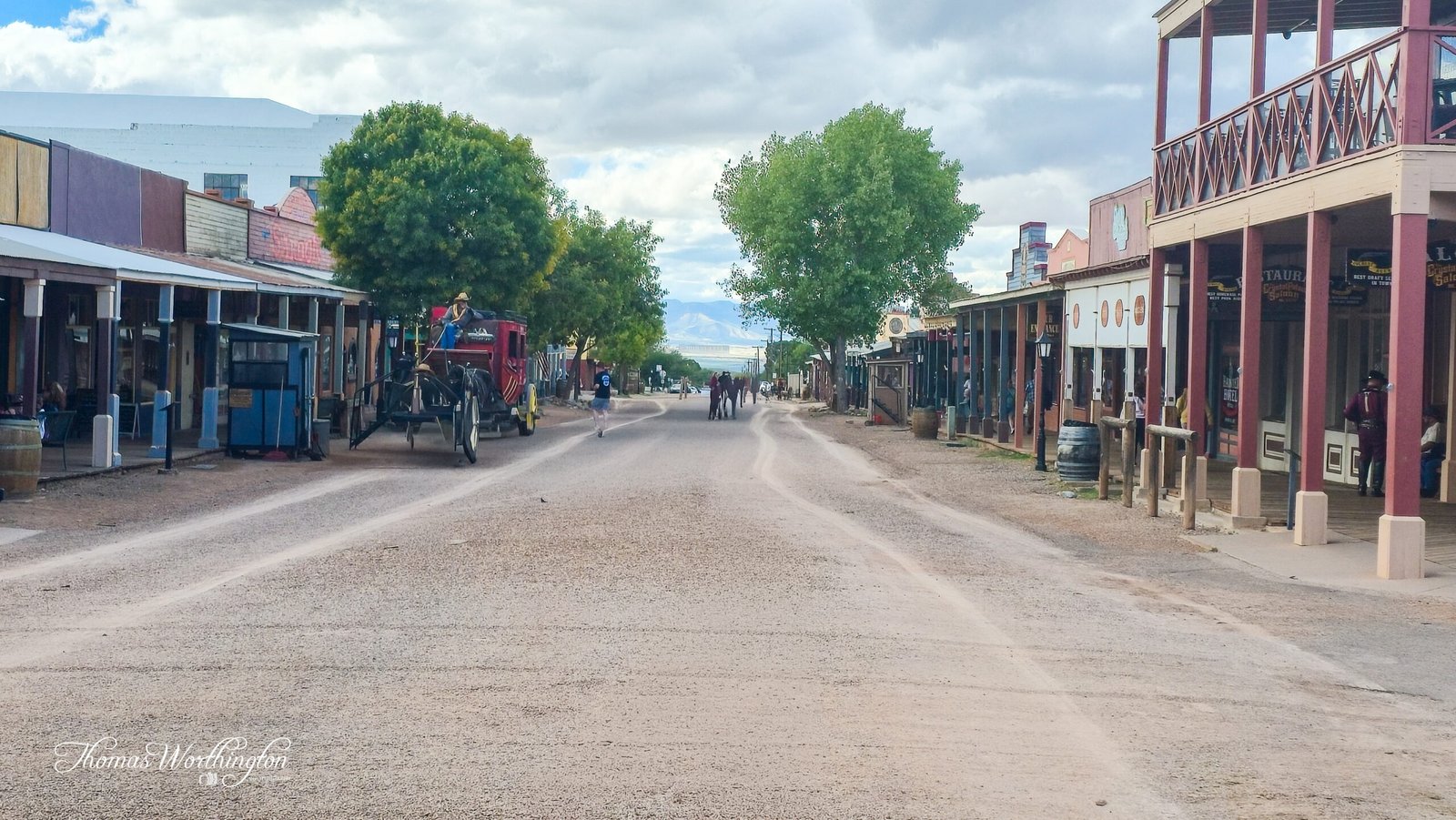
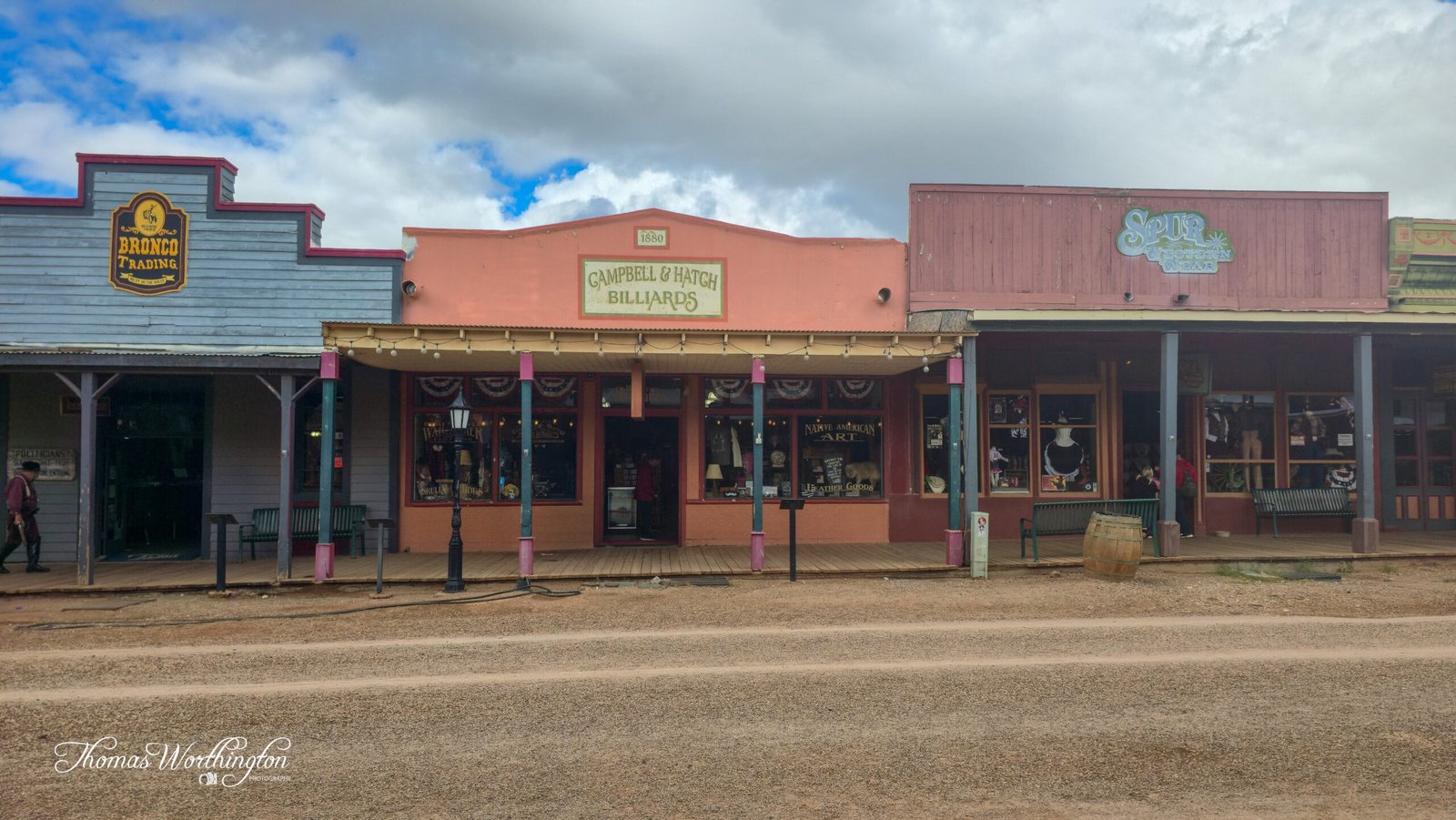
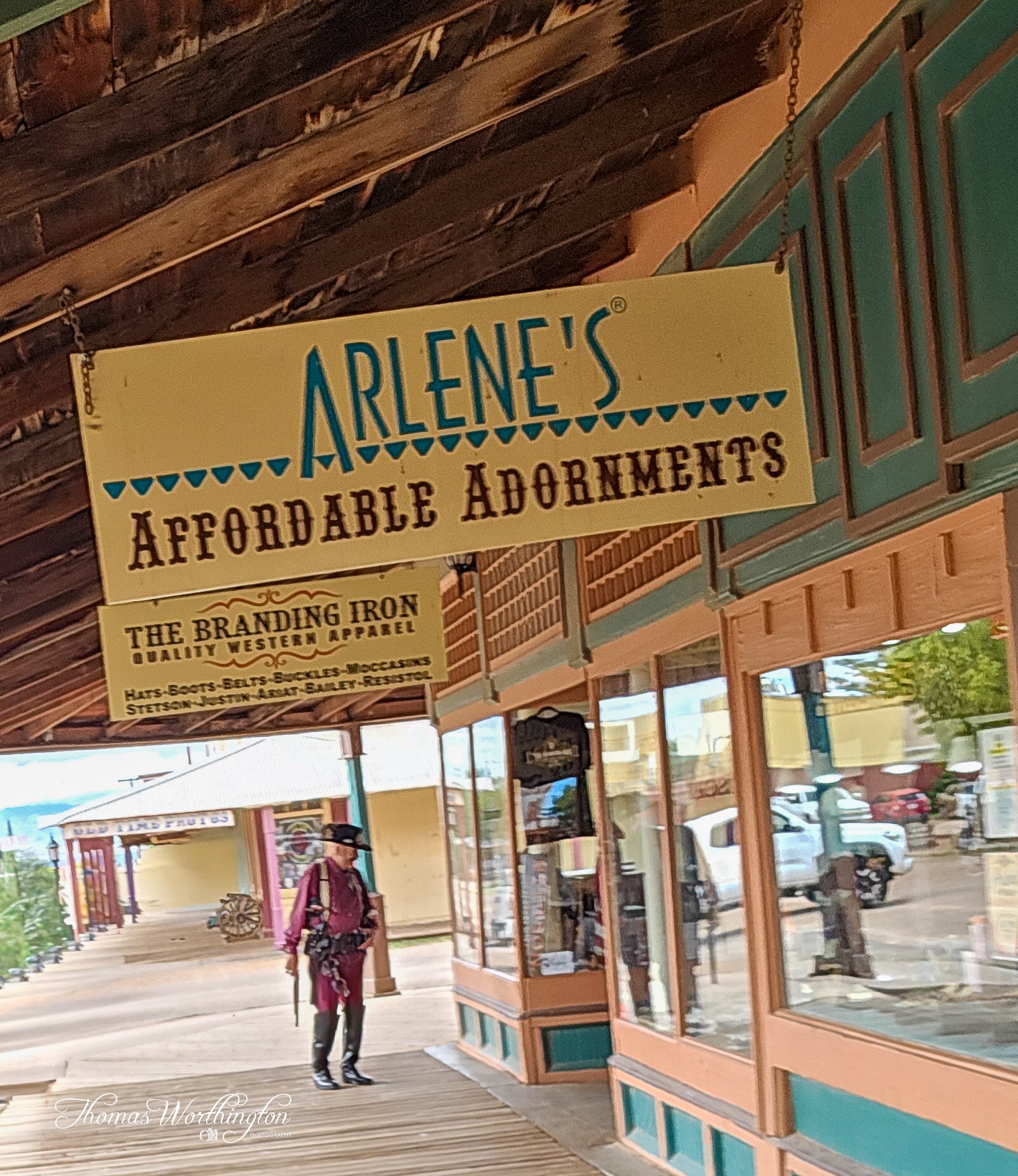
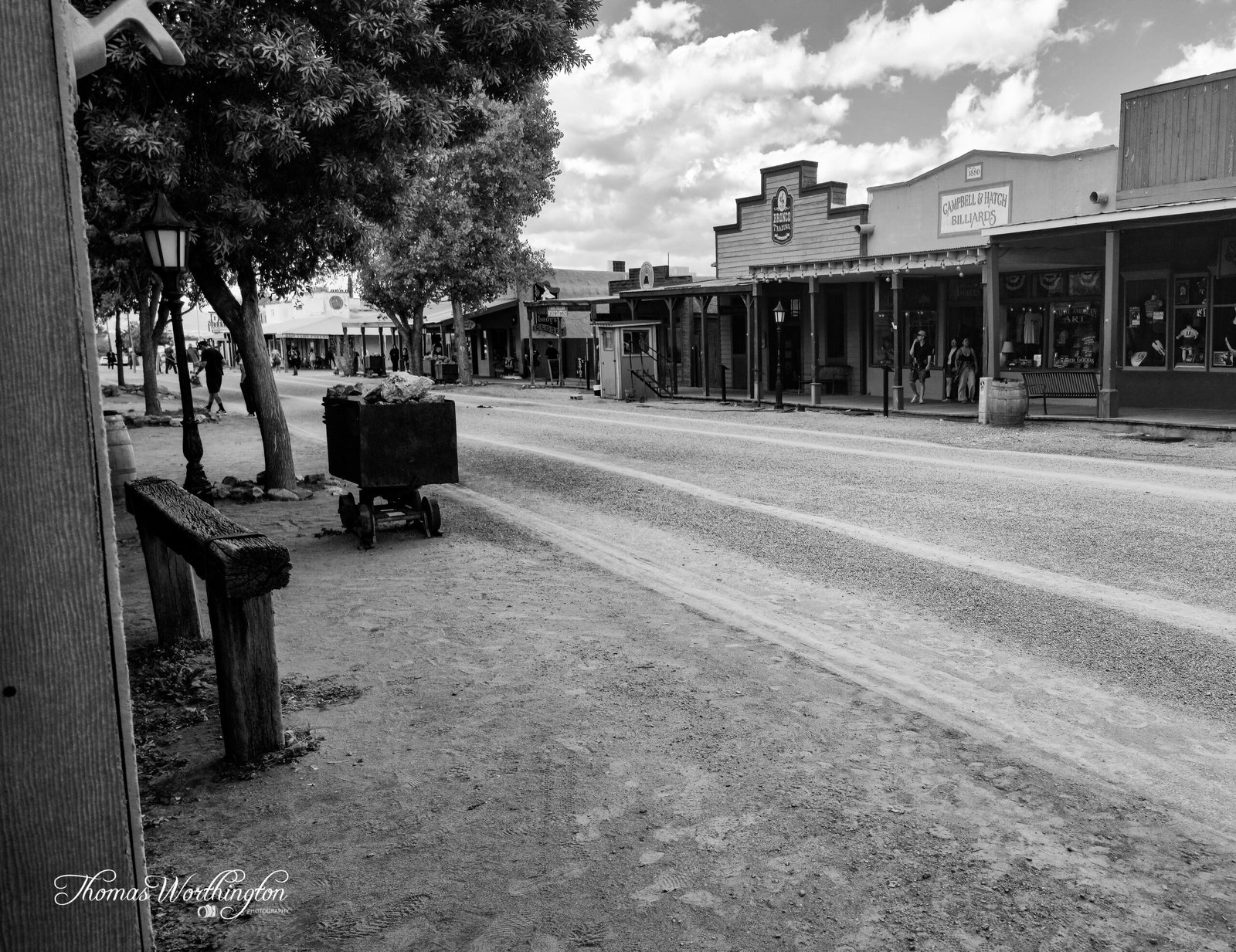
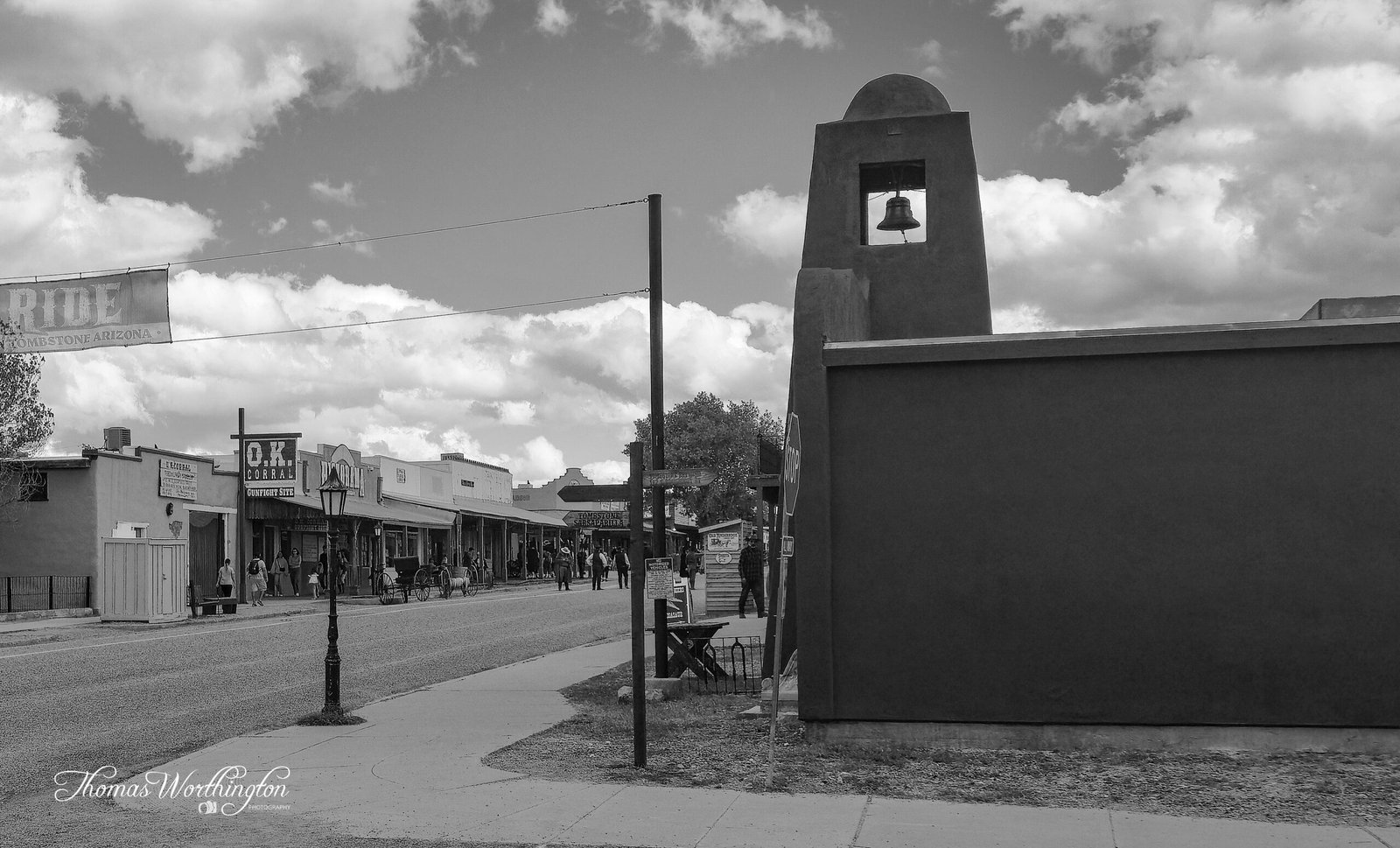
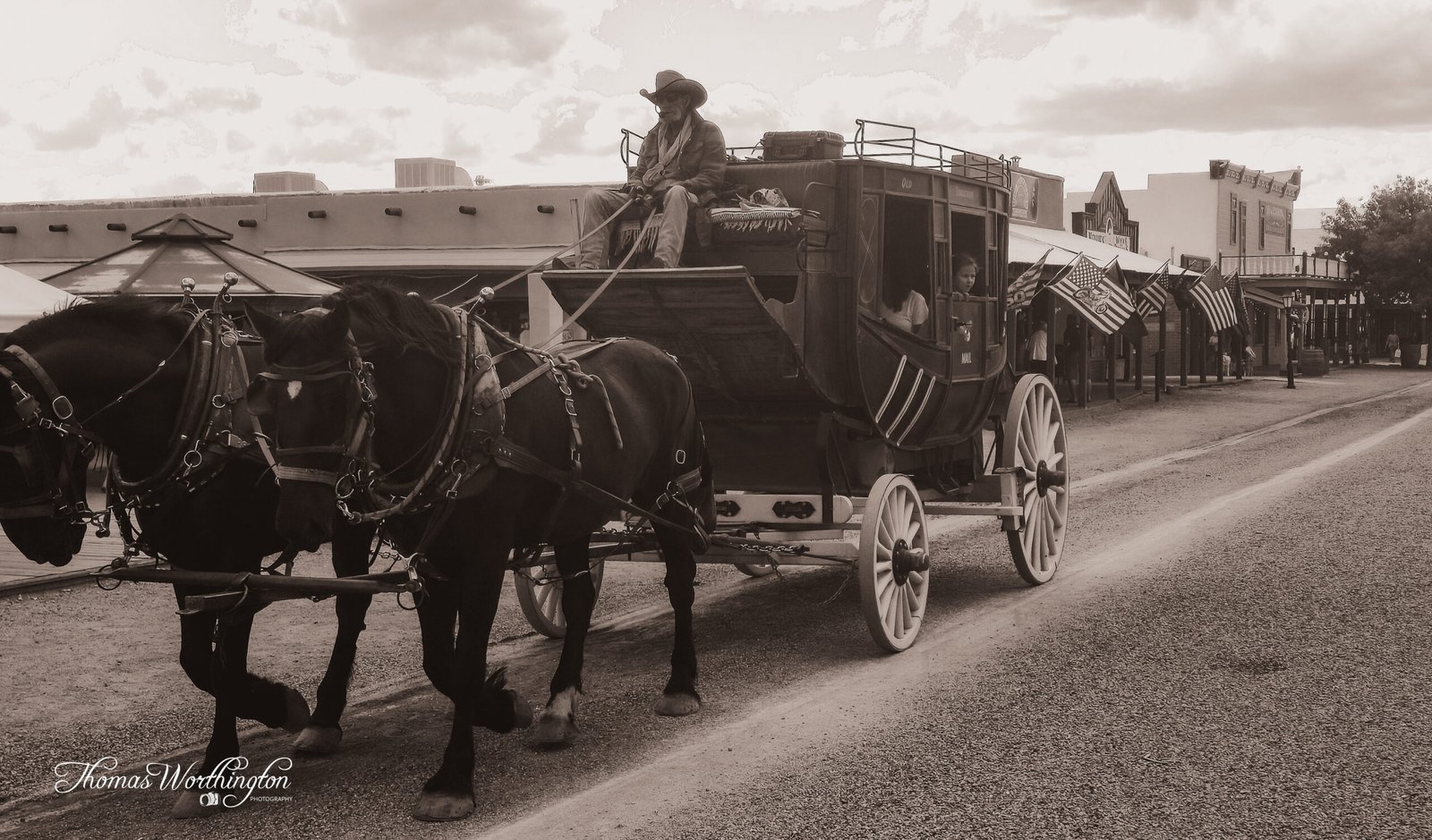
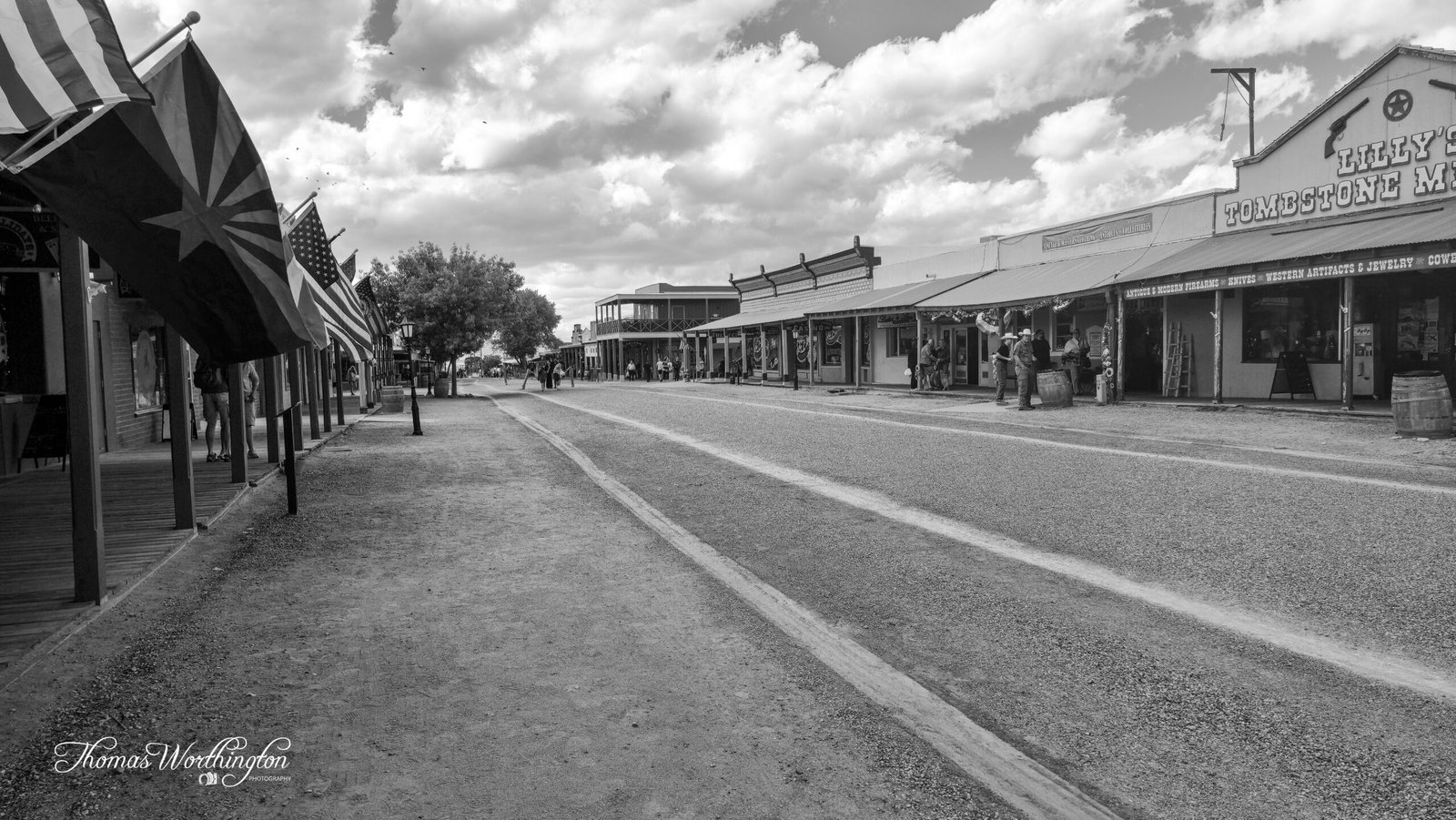
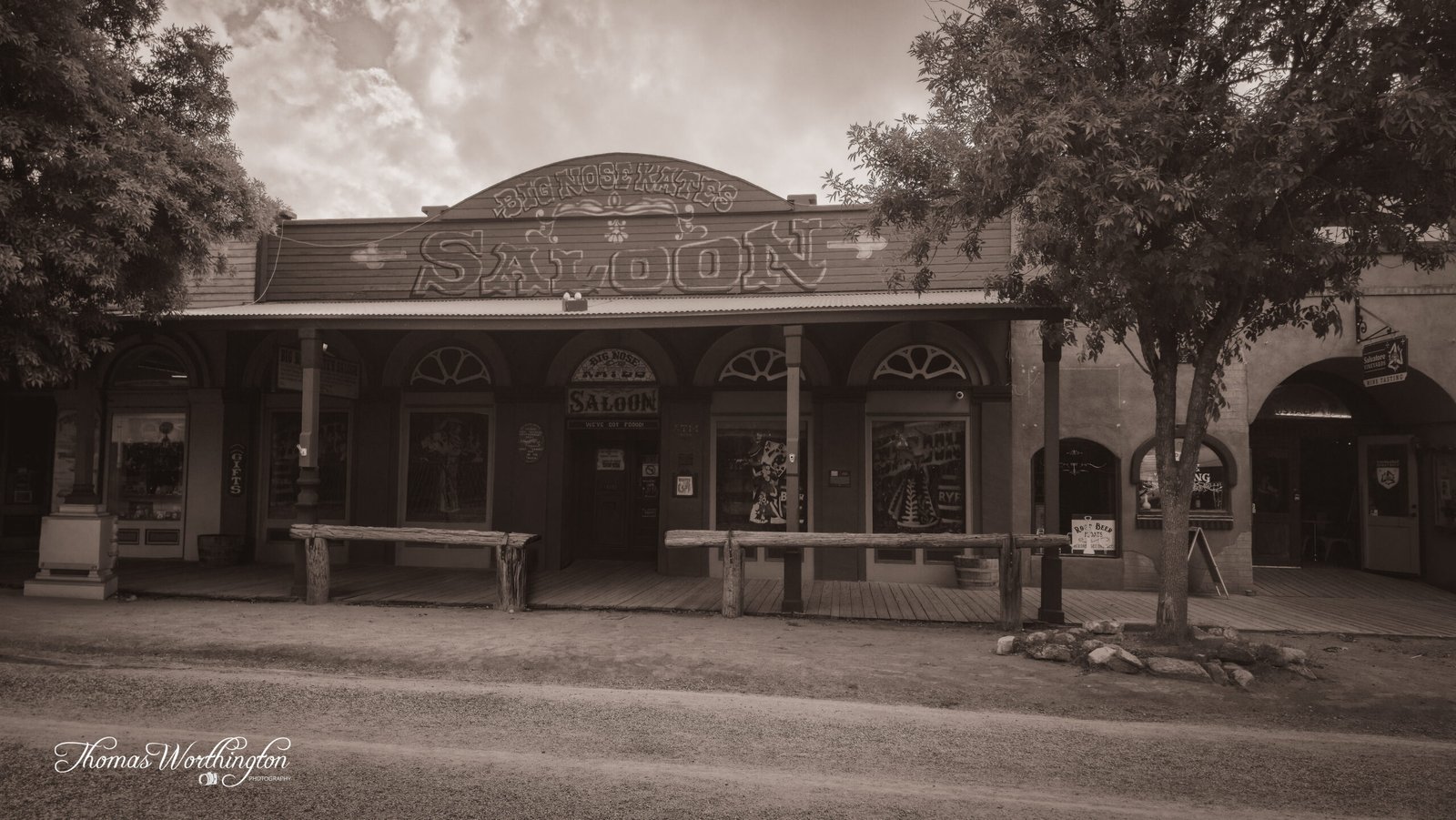
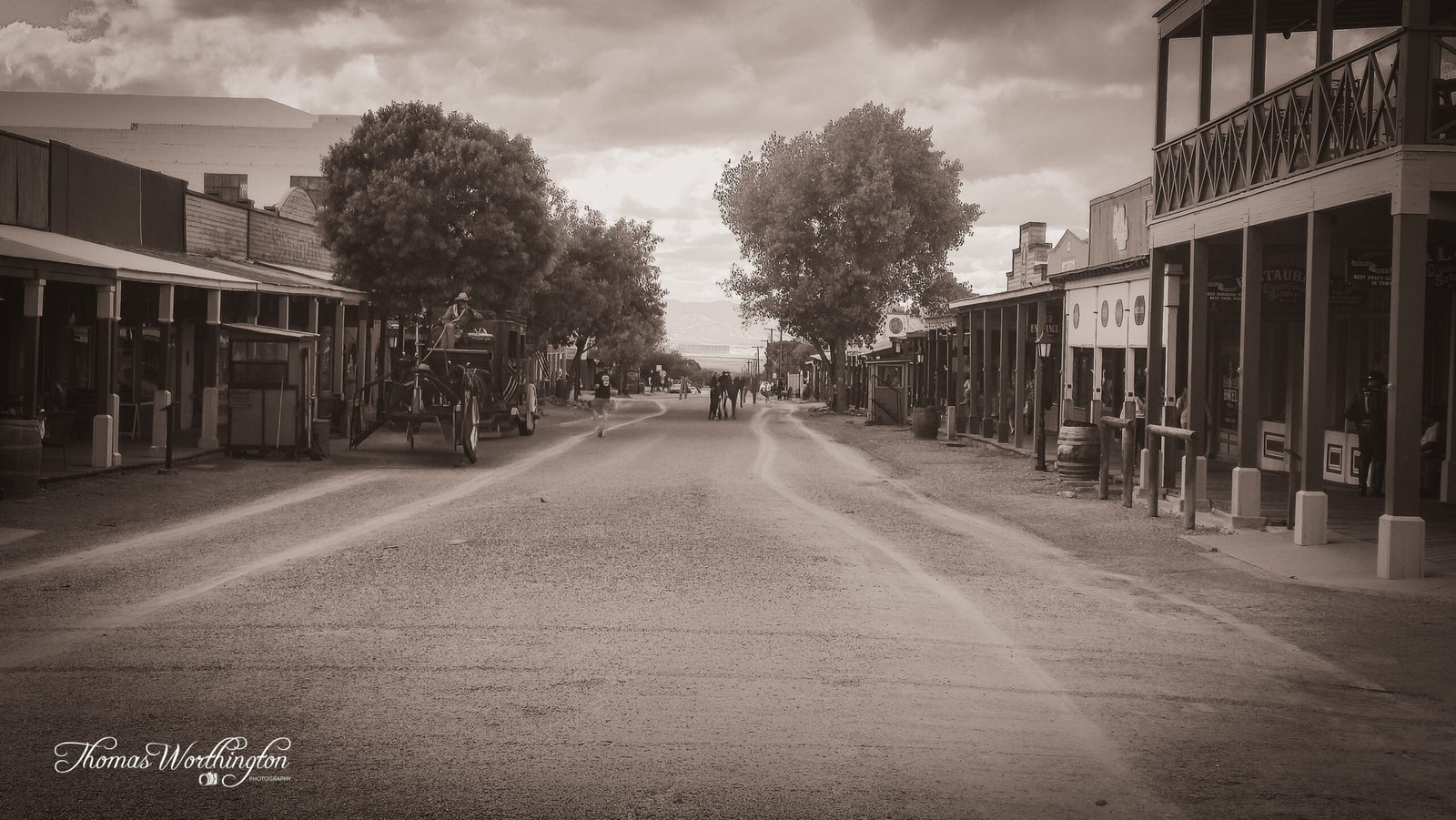
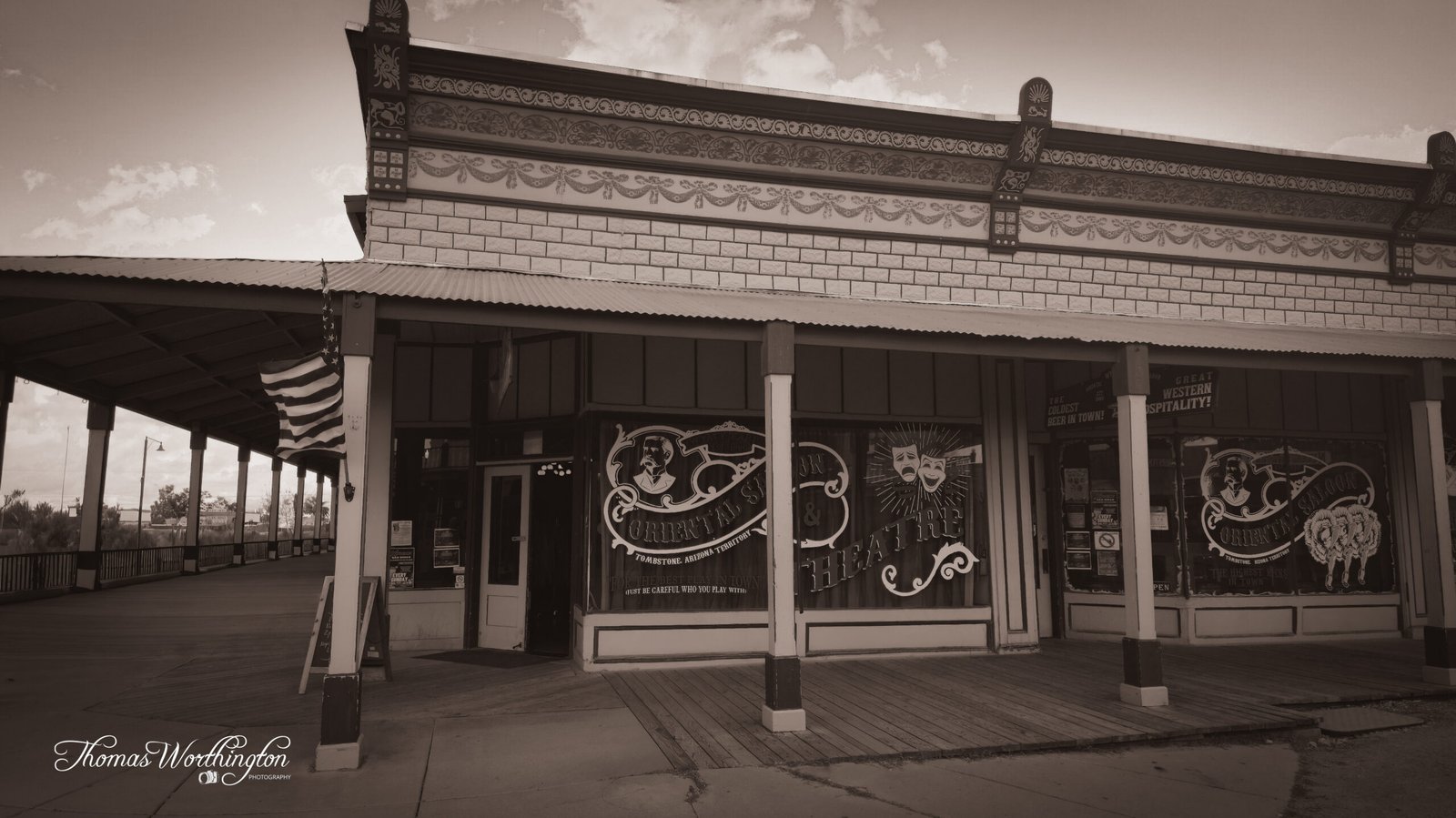
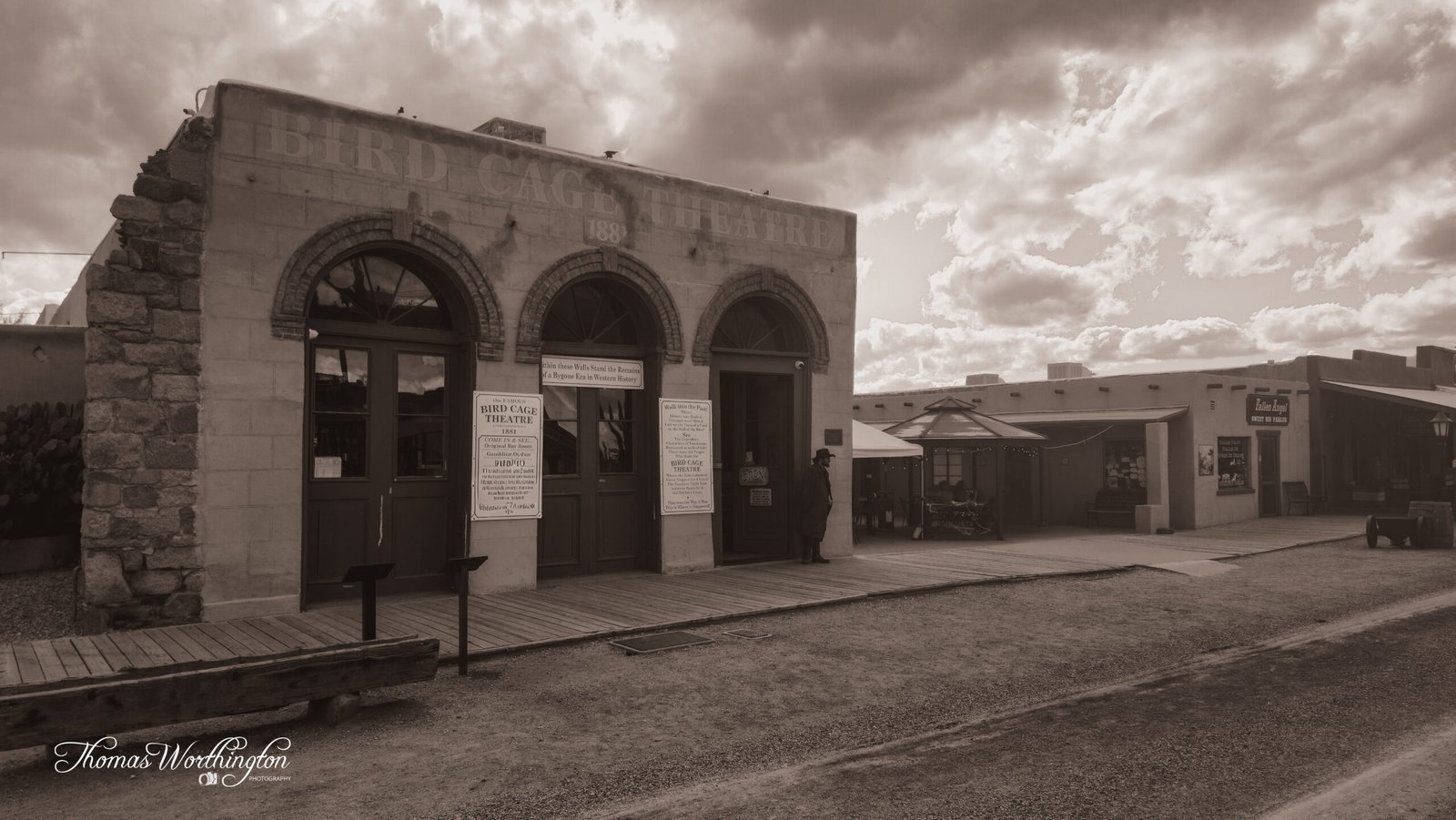
To cap off the expedition, we stepped back in time to 1881 in historic Tombstone, walking the dusty wooden boardwalks of Allen Street, touring the bullet-riddled Bird Cage Theatre, grabbing dinner at Big Nose Kate’s Saloon, and taking in live gunfight reenactments at the Oriental Saloon. This blog chronicles the entire route: the scenic drives, national park tips, game day excitement, and historic detours. Buckle up and explore the full itinerary from snow-capped peaks to red rock arches and desert sands!
Epic Colorado Road Trip: Estes Park to Grand JunctionFrom granite peaks and alpine lakes to dramatic red sandstone canyons, the 250-mile journey from Estes Park to Grand Junction through Rocky Mountain National Park is one of America's most spectacular road trips.
Estes Park Nestled at the eastern entrance to the park, Estes Park is your ideal launchpad for this road trip.
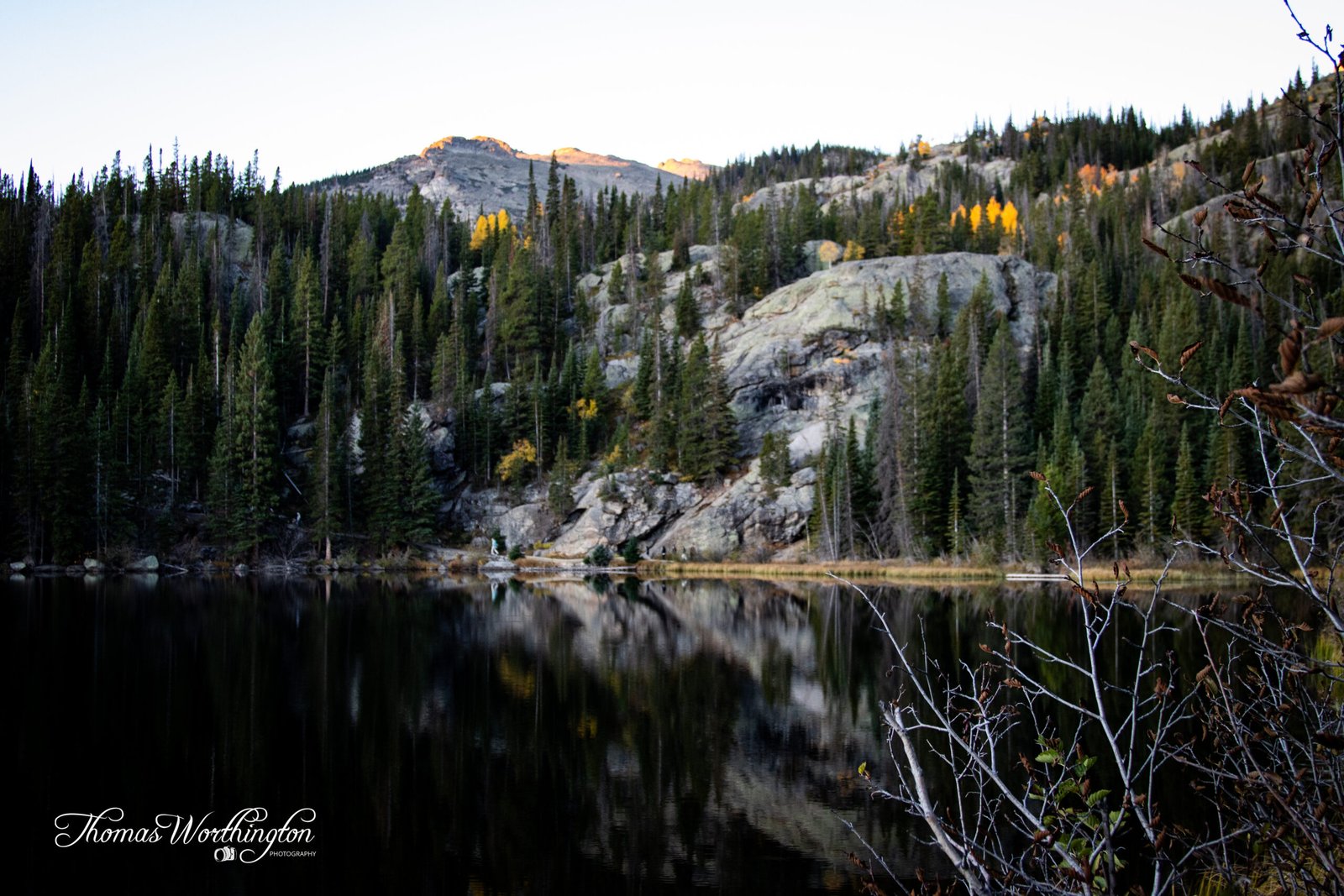
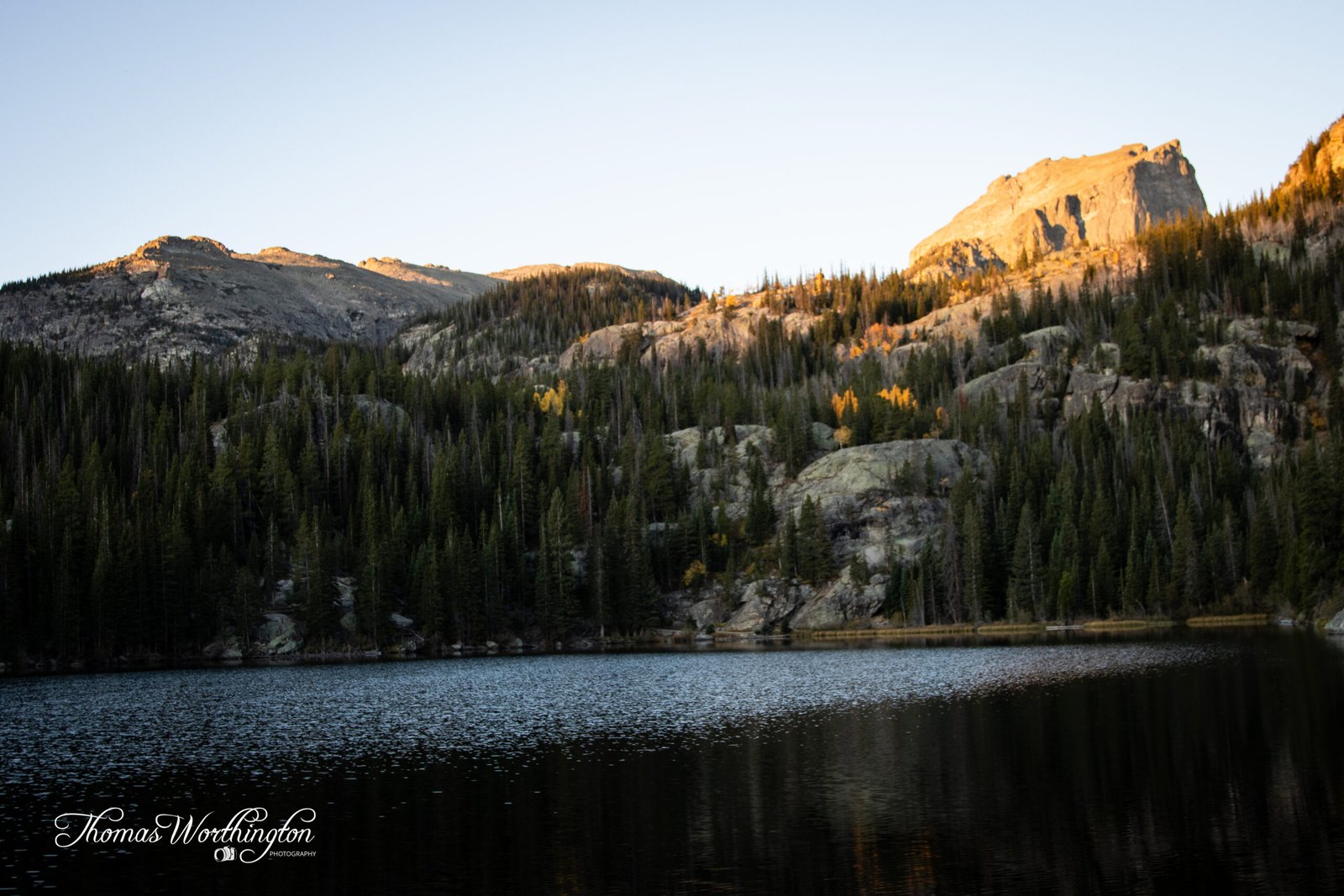
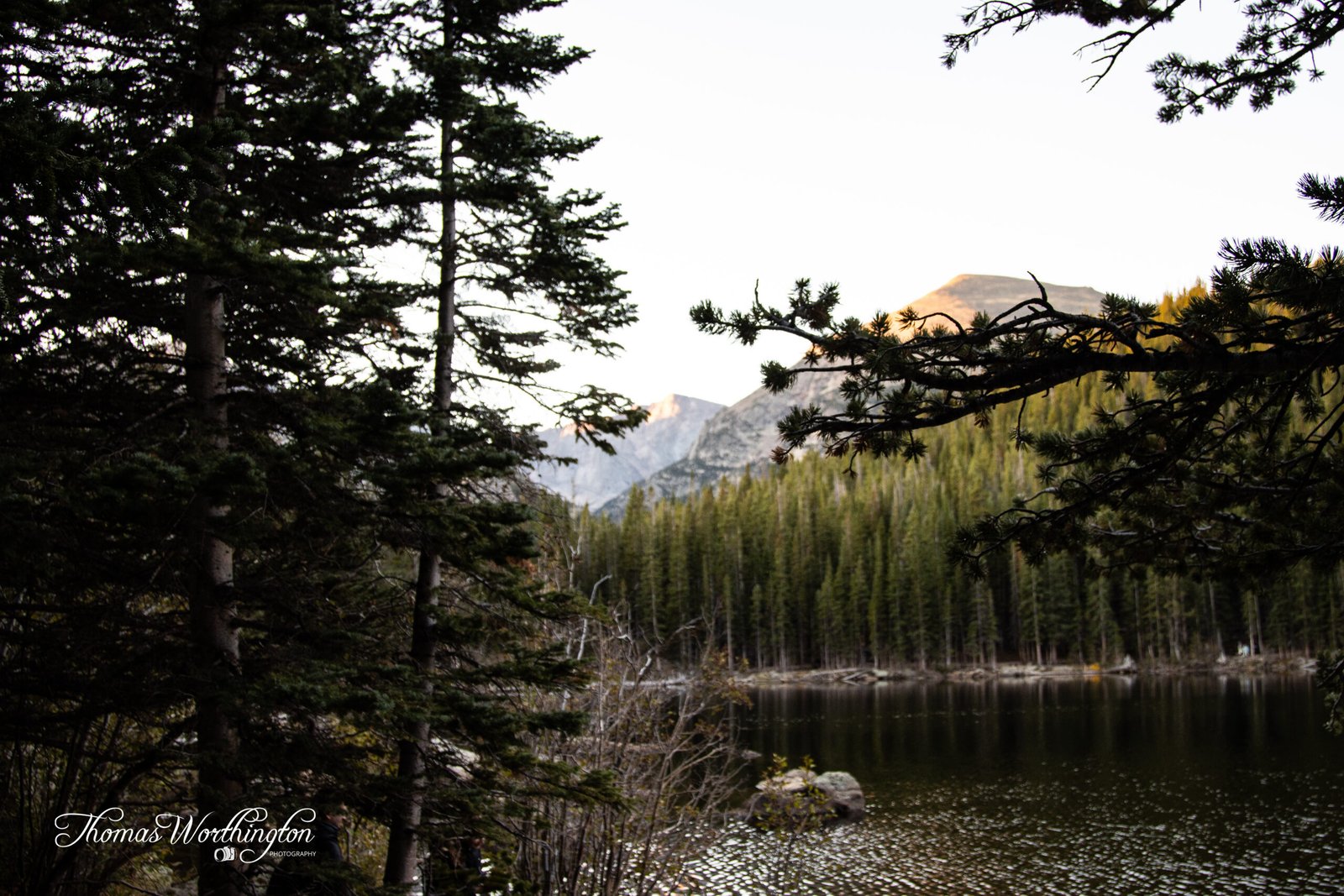
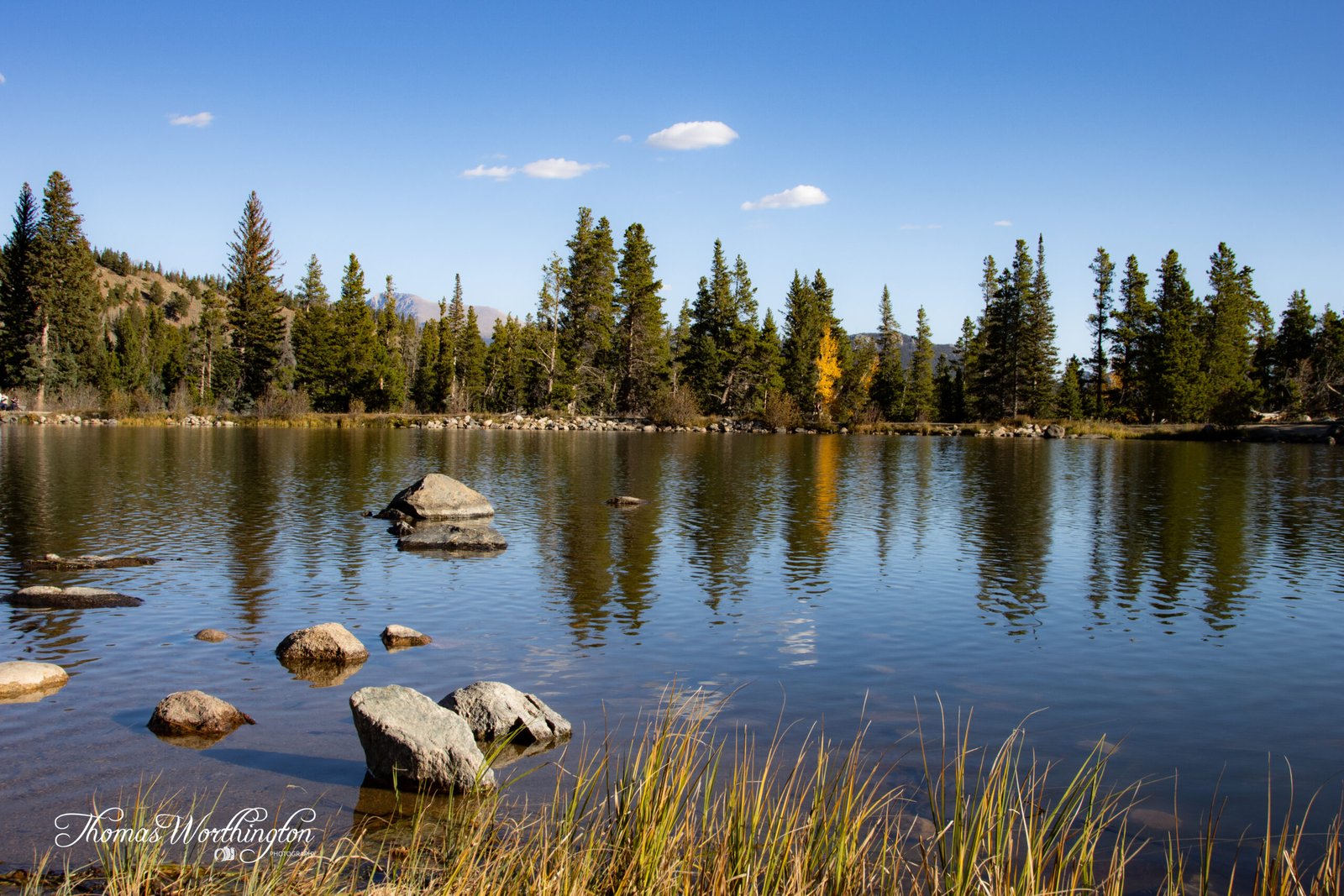
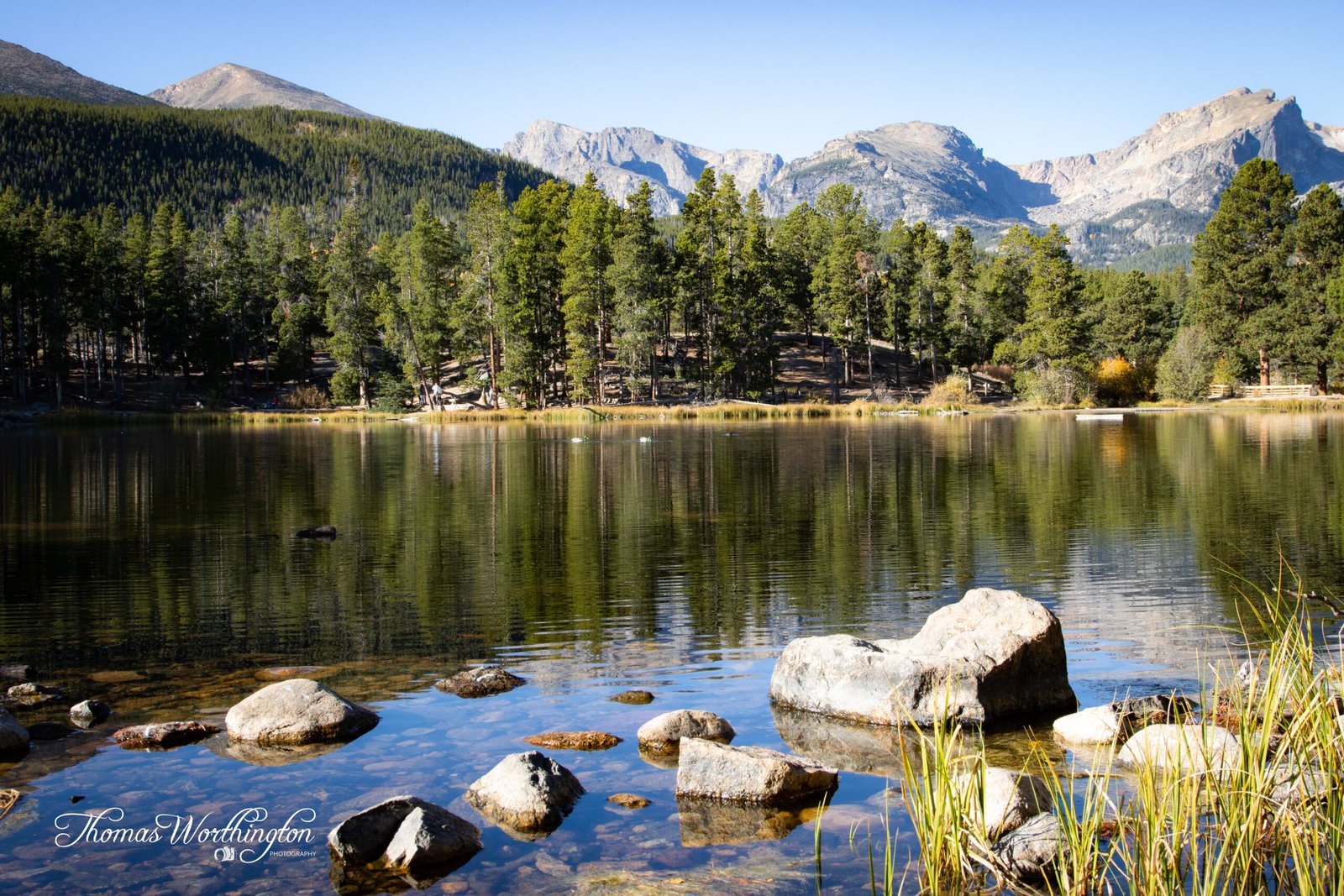
Bear Lake Corridor Sitting in a high-alpine basin at 9,475 feet, Bear Lake is an iconic highlight. Take the easy 0.8-mile loop around the water for pristine mirror reflections of Hallett Peak, or hike the trail connecting Nymph, Dream, and Emerald Lakes. (Note: Timed entry permits are required during peak season).
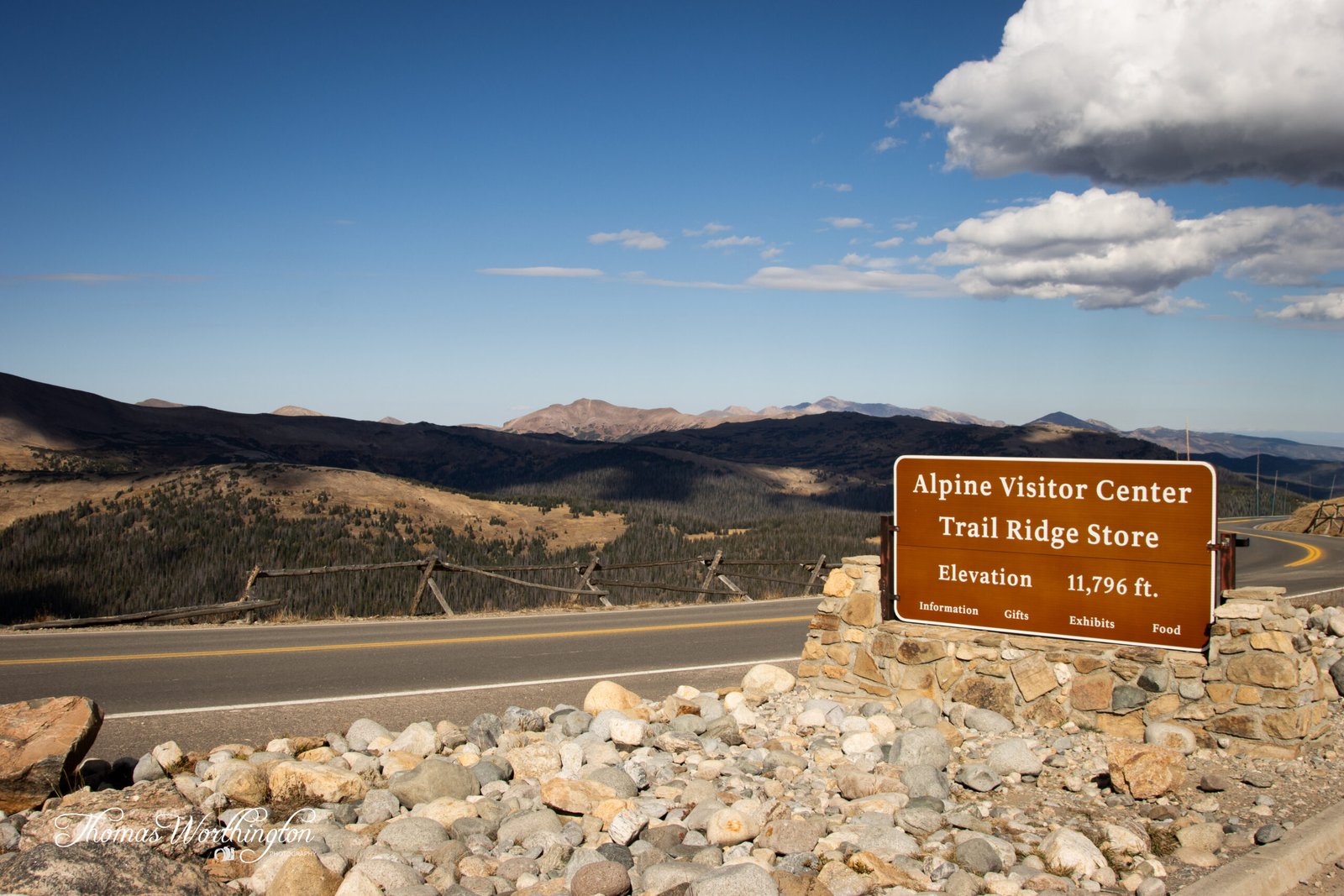
Trail Ridge Road Highway 34 takes you over Trail Ridge Road, North America’s highest continuous paved road. Peak highlights along this 48-mile stretch above the treeline include:
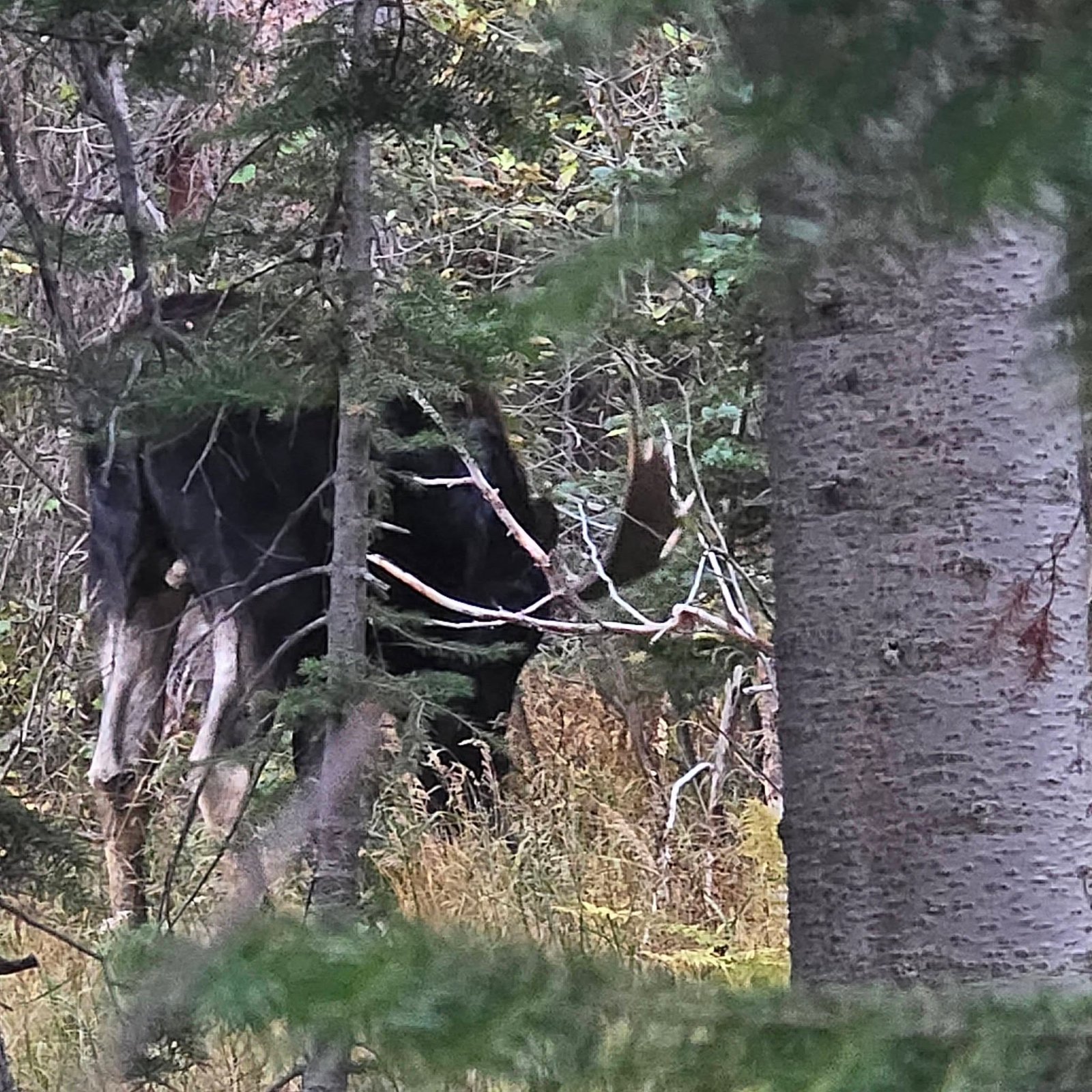
Forest Canyon Overlook: Glacier-carved canyon views. Alpine Visitor Center (11,796 ft): Take the Alpine Ridge Trail for 360-degree mountain panoramas. Milner Pass: Snap a photo right at the Continental Divide. Stop 4: Grand Lake Descending through the moose-filled Kawuneeche Valley, you’ll reach Grand Lake, Colorado’s largest natural lake. Walk the historic wooden boardwalk, grab lunch, or rent a kayak to enjoy the water.
Grand Junction & Red Rock Country Continuing west on I-70 or US-40, lush pine forests give way to high-desert plateaus and red rock mesas near the Utah border. In Grand Junction, explore Colorado National Monument along Rim Rock Drive for sheer sandstone cliffs and desert canyons. End your trip in neighboring Palisade, sampling local wines and famous Palisade peaches before relaxing in downtown Grand Junction.
Key Travel Details Distance & Time: ~250 miles | 5.5 to 7 hours driving (Best enjoyed over 2–3 days).
Pro Tip: Pack warm layers for high-elevation winds and drink plenty of water to combat altitude sickness! We had temperatures fluctuations of 50 Degrees.
Canyonlands & Arches Chronicles: Red Rocks, Silence, and a Dashboard PB&J
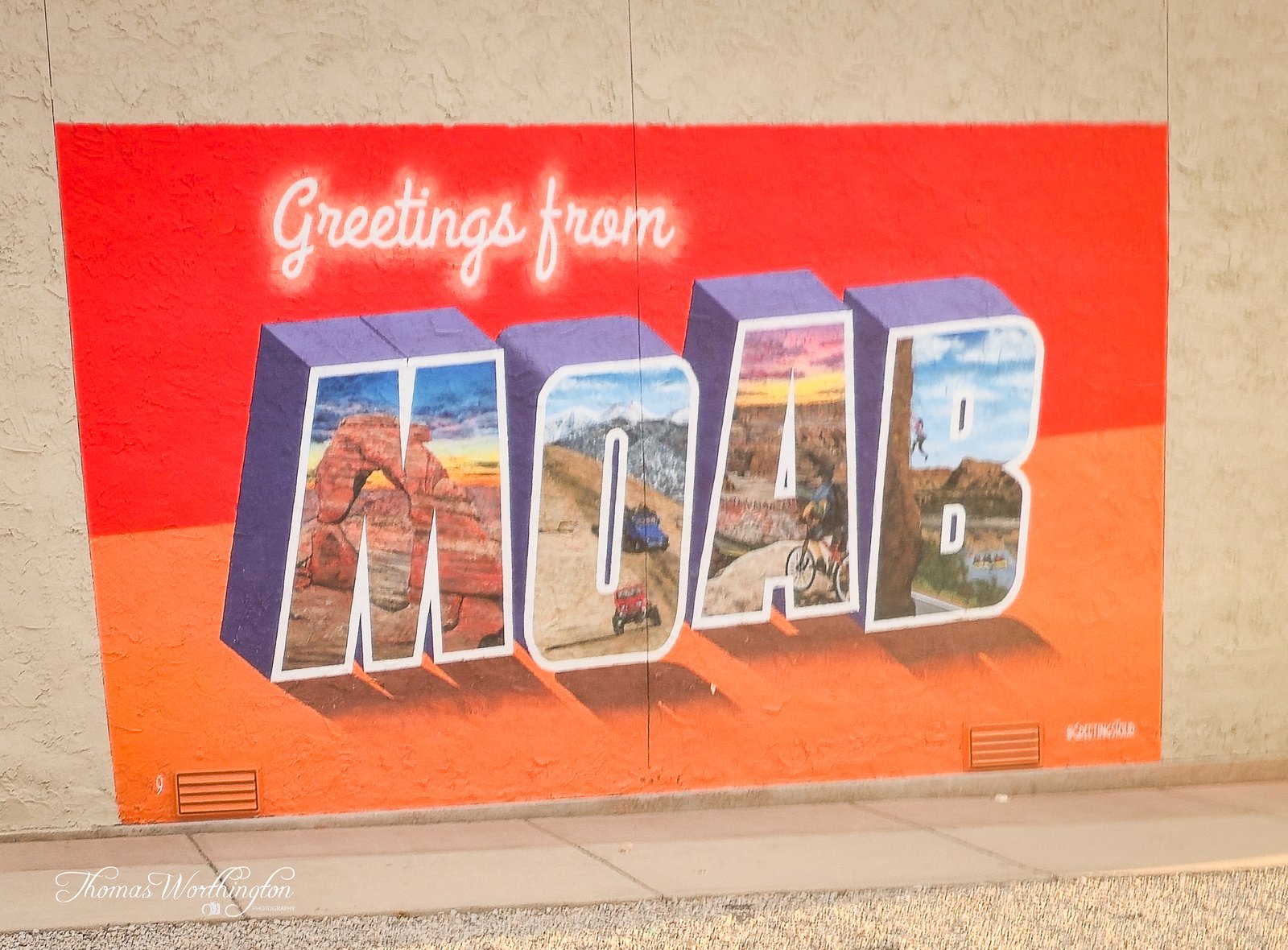
Departure: Leaving Grand Junction Behind
There are places on this earth where time feels like it bends. Where the earth drops away beneath your boots into sheer, staggering abysses of rust-colored stone, carved sandstone ribbons, and soaring natural arches. The Utah desert around Canyonlands and Arches National Parks is undeniably one of those regions.
The Grandeur of the Red Rock Wilderness
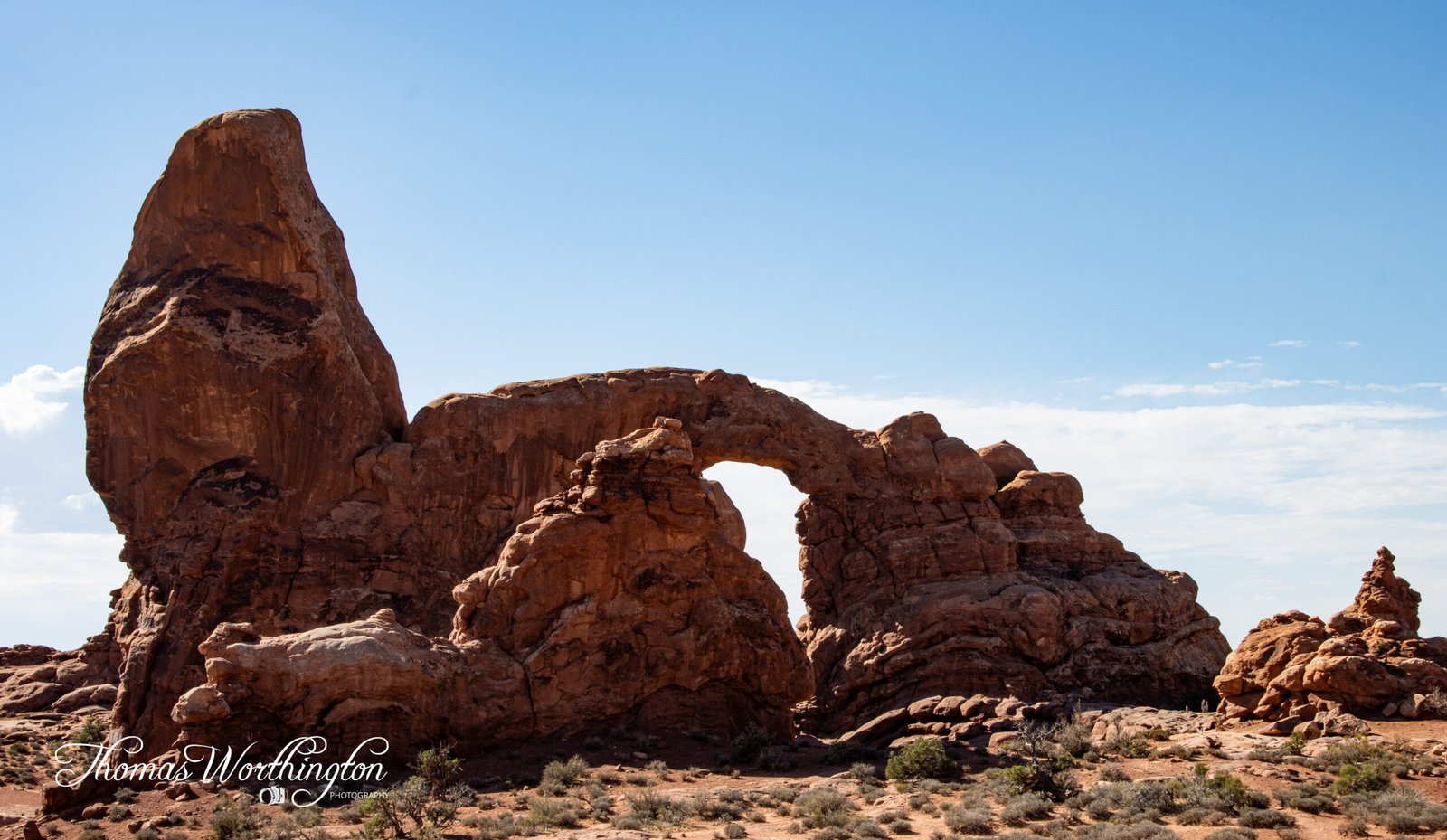
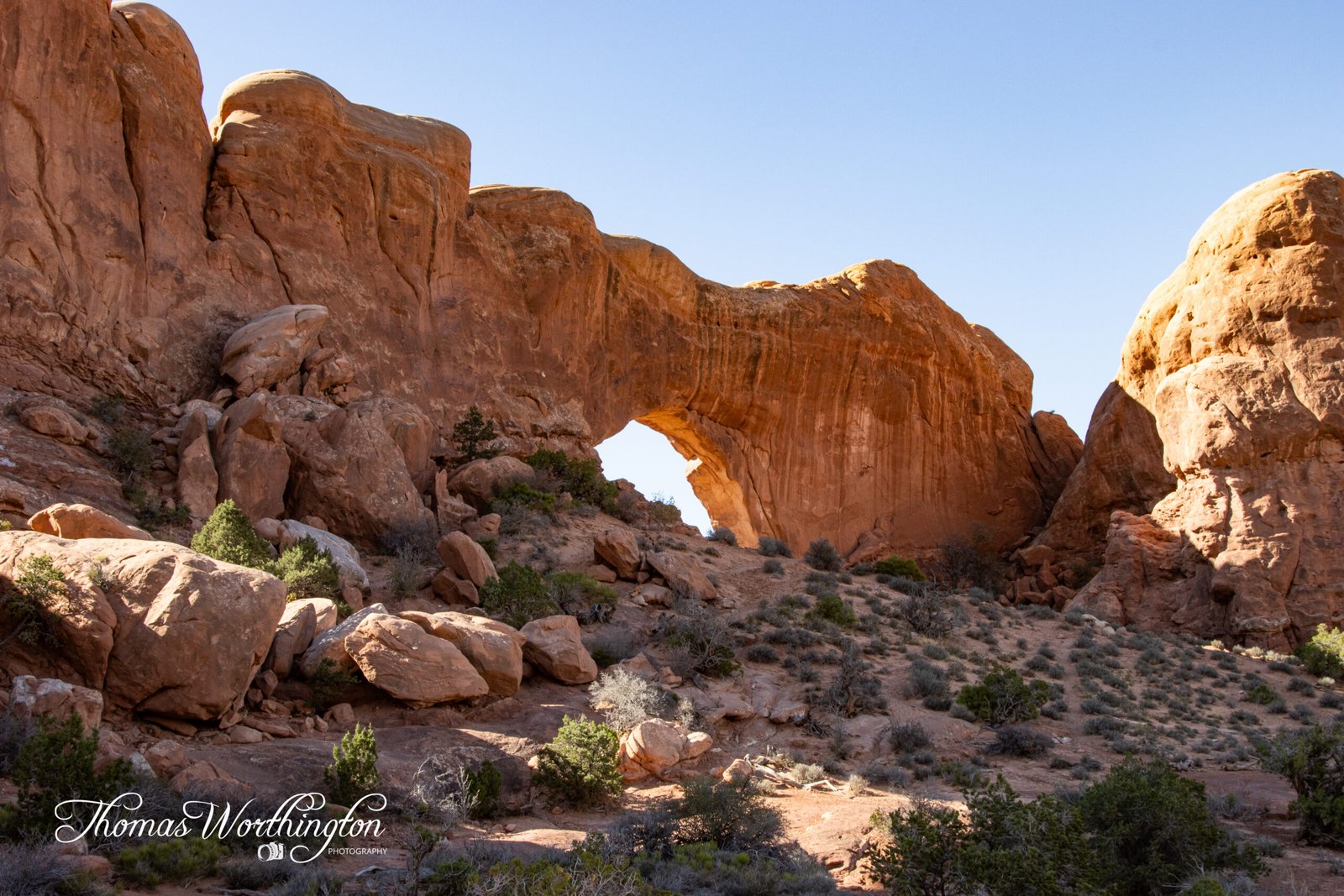
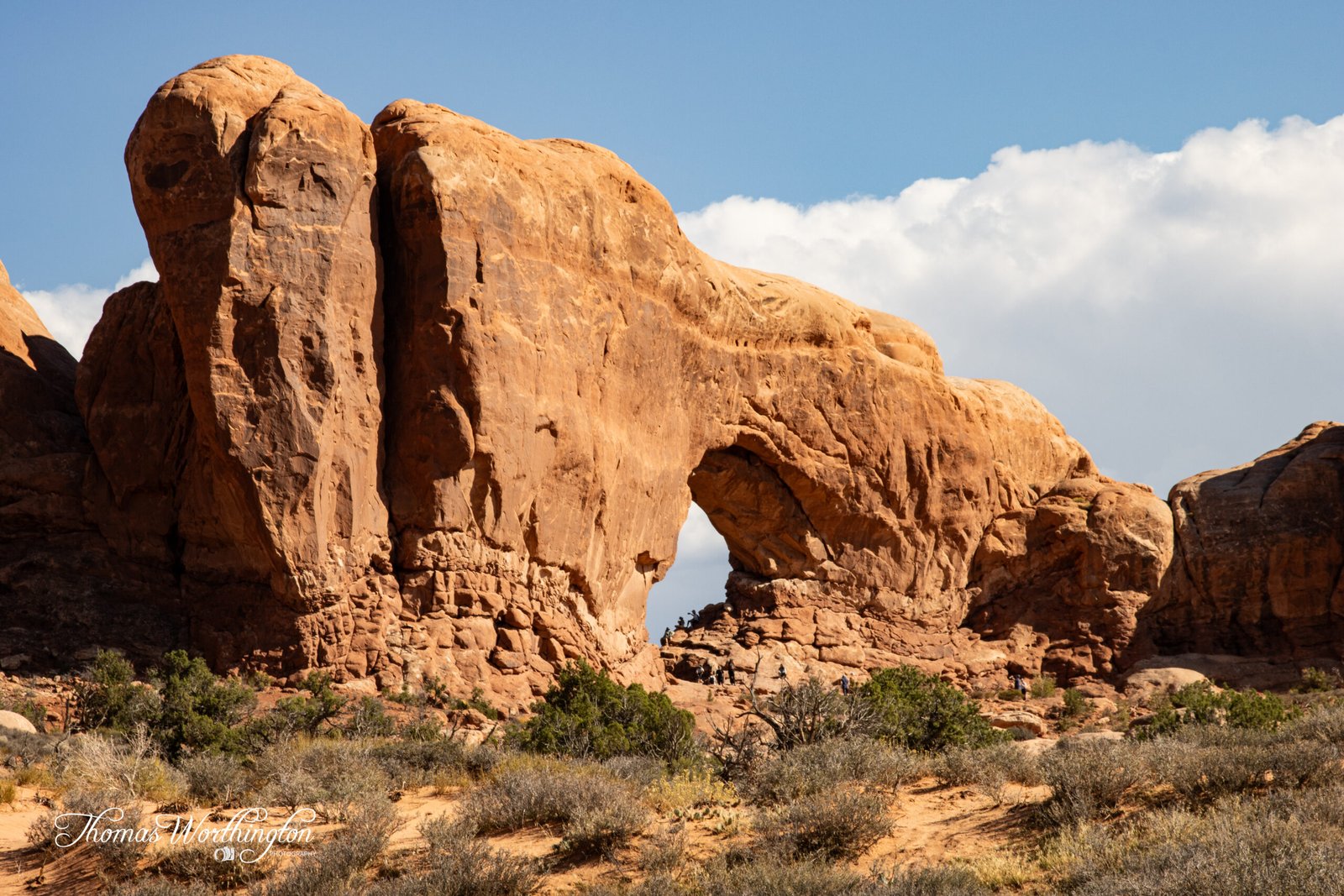
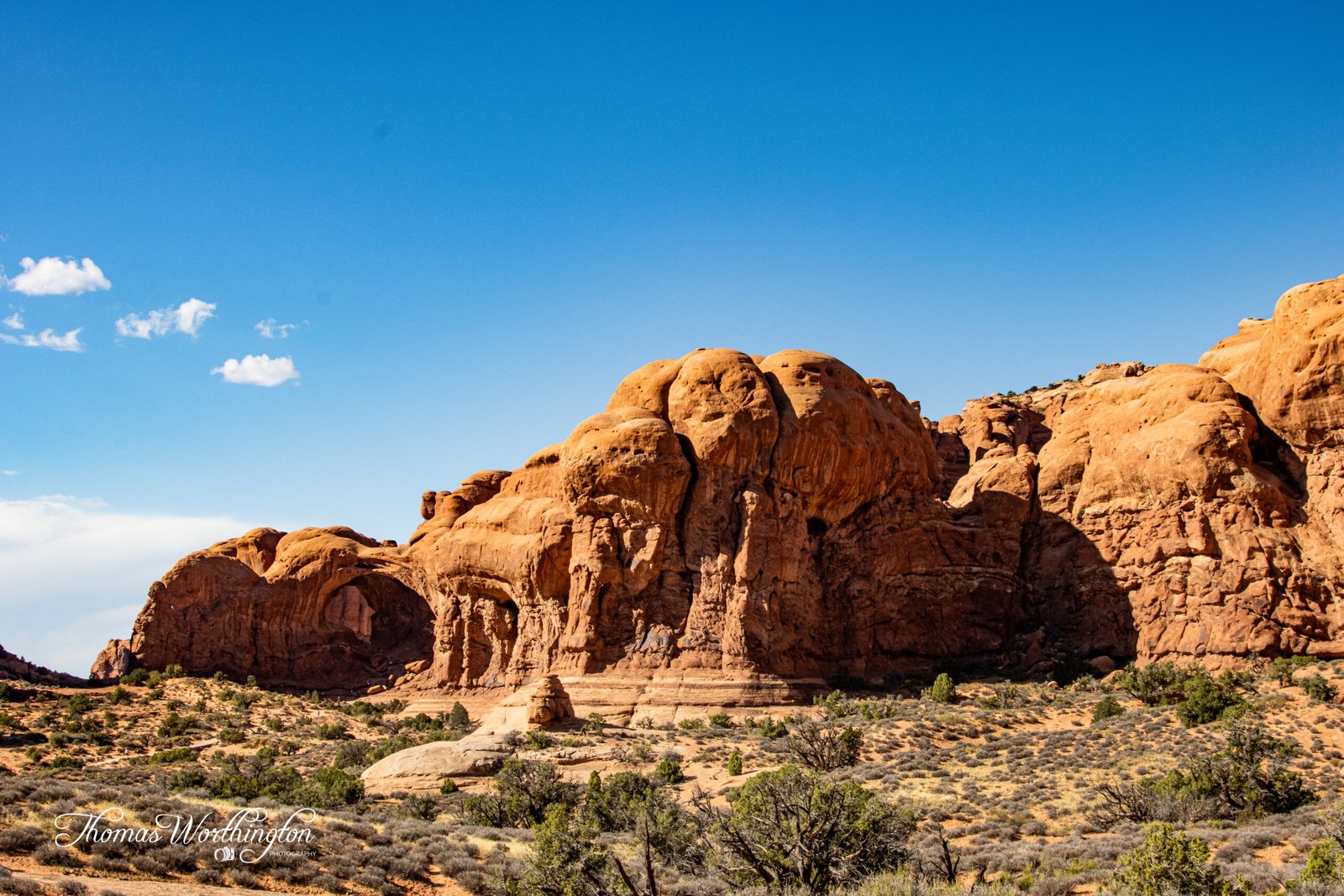
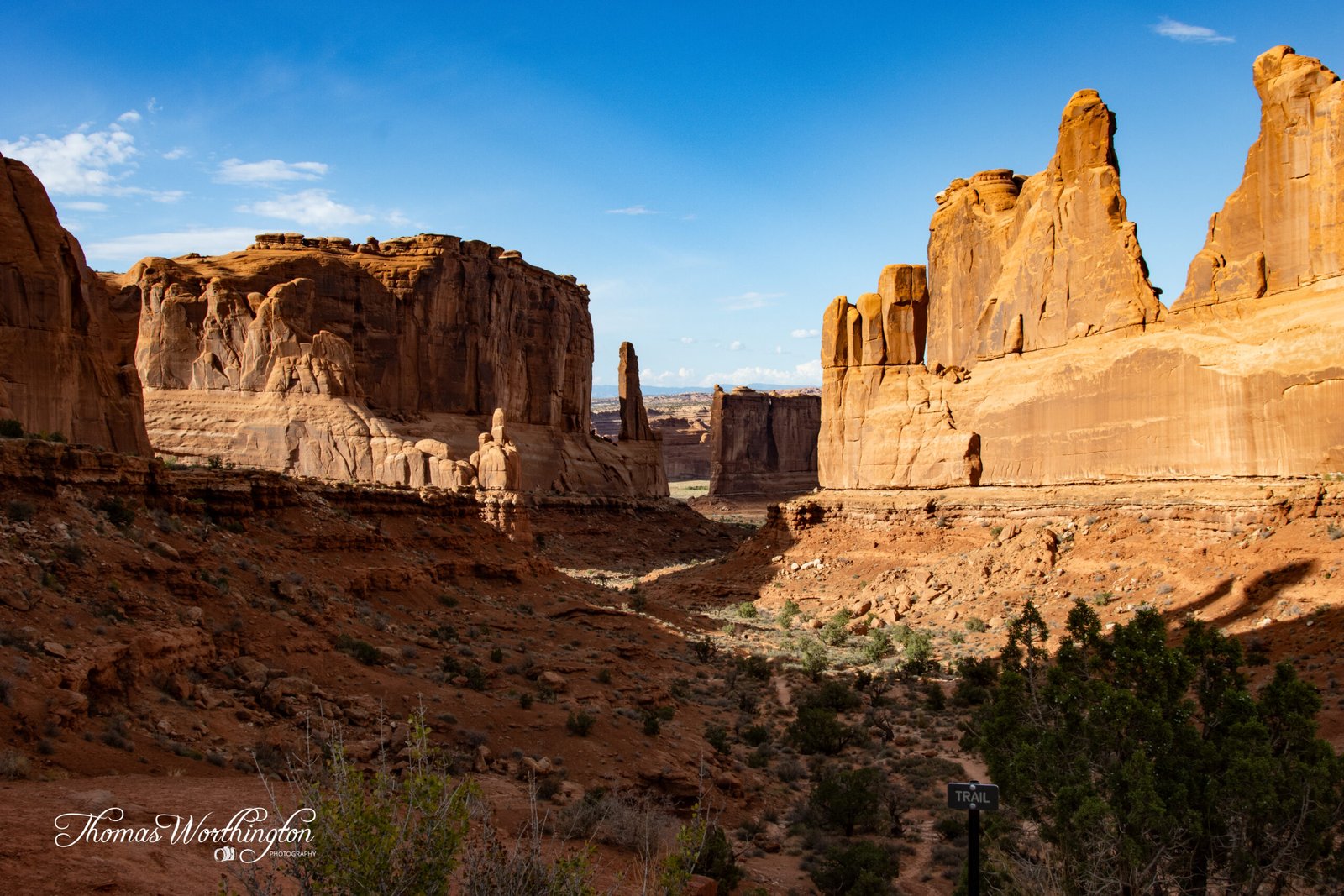
Exploring this corner of Utah gives you two distinct, breathtaking worlds side by side. At Arches National Park, you walk among giant, delicate fins of red stone and thousands of towering natural rock windows framing the distant snow-capped La Sal Mountains. Just a short drive away, standing at the overlooks in Canyonlands National Park, the perspective shifts entirely. The Green and Colorado rivers have spent millions of years carving deep, twisting canyons through the desert plateau, leaving behind a chaotic maze of mesas, spires, and labyrinthine gorges.
The air is crisp and dry, carrying the faint scent of juniper and warm dust. Every direction you turn offers a different angle of geological art. The light shifts constantly throughout the day, turning the deep ochres and reds into brilliant ambers and burnt oranges as the sun climbs higher over the arches and canyon walls.
The Ultimate Desert Tradition: A Dashboard PB&J
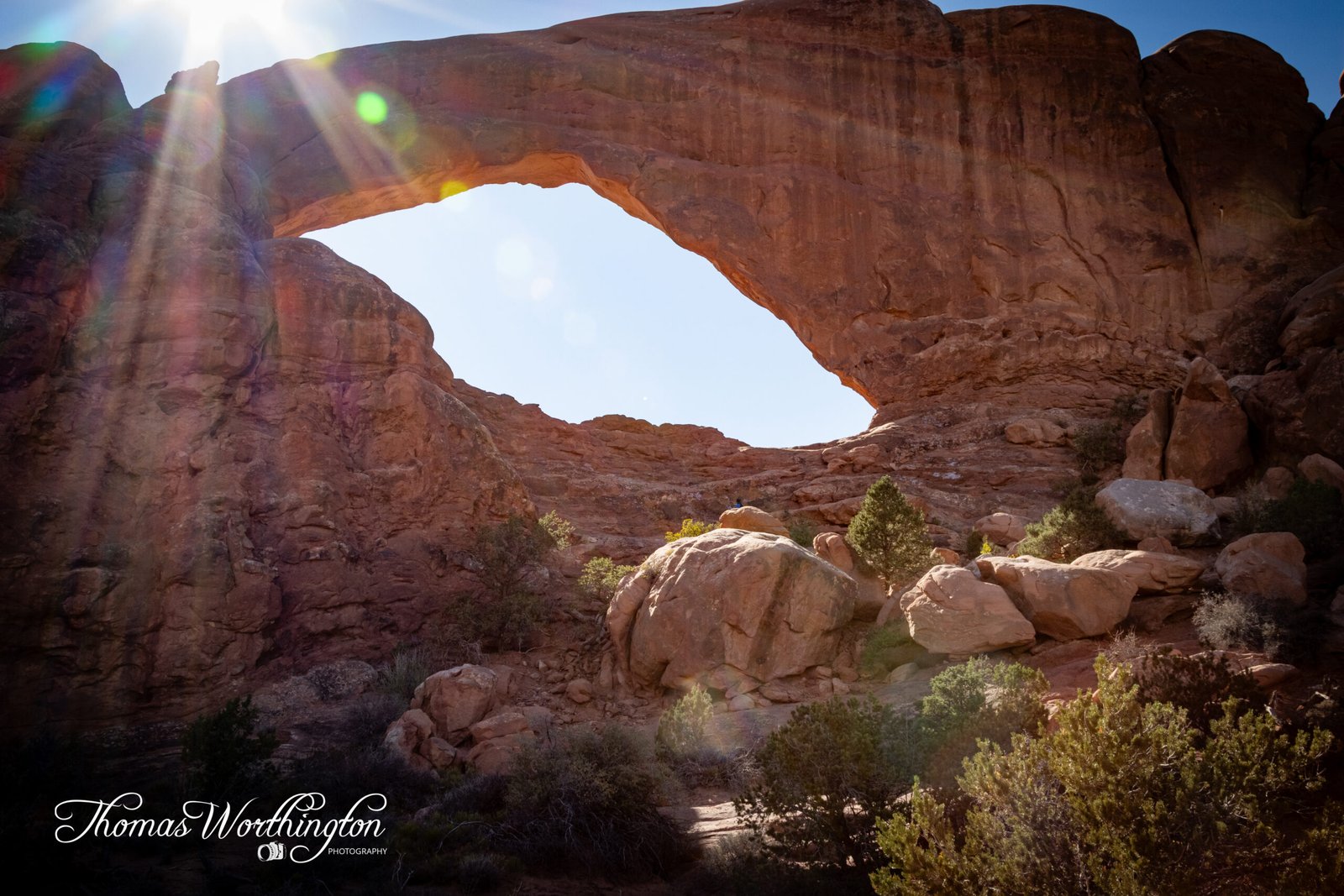
After spending a morning hiking under Delicate Arch and framing up landscape shots through the lens, a very specific kind of hunger sets in the kind that only a remote desert road trip can cultivate.
Forget fancy picnic baskets or crowded park cafes. The true culinary rite of passage in the backcountry involves a loaf of white bread, a jar of peanut butter, and a trusty jar of jelly hastily unsealed right on the sun-warmed dashboard of the car.
There is an art of making a Dashboard PB&J:
- 1.Clearing a small patch of space between the camera bag and the road maps.
- 2.Skillfully spreading the peanut butter, followed by carefully dipping a knife into the glass jelly jar to swirl on a sweet layer without tearing the dry desert bread.
- 3.Folding the sandwich in half and wrapping it loosely in a paper napkin.
With lunch secured, walk out past the parking turnout to a flat, safe slickrock perch right on the edge of the cliff overlooking the canyon depths.
Sitting right on the cliff’s edge with your legs dangling over a thousand-foot drop into the canyon below is an unmatched travel experience. The sweet, sticky comfort of the PB&J contrasts hilariously with the brutal, epic scale of the red rock wilderness stretching out to the horizon. There are no waiters, no interruptions—just the sound of the desert wind across the stone, the warmth of the slickrock beneath you, and a view that money simply cannot buy.
Reflections from the Edge
As the crumbs brush off your hands and you take one last long look at the endless expanse of arches, mesas, and canyons fading into the distance, you realize why these rough-and-tumble desert drives stick with you. It is not just about the grand vistas or the pristine photographs; it is about the quiet, unscripted moments in between—savoring the simple things right on the edge of raw, untamed wilderness.
Arches in Moab: Nature’s Stone Sculptures
When the sun begins to dip lower over the Moab desert, casting long, dramatic shadows across the slickrock, Arches National Park reveals its true magic. Driving into the park feels like entering an open-air art gallery curated by millions of years of wind, water, and stubborn geological endurance.
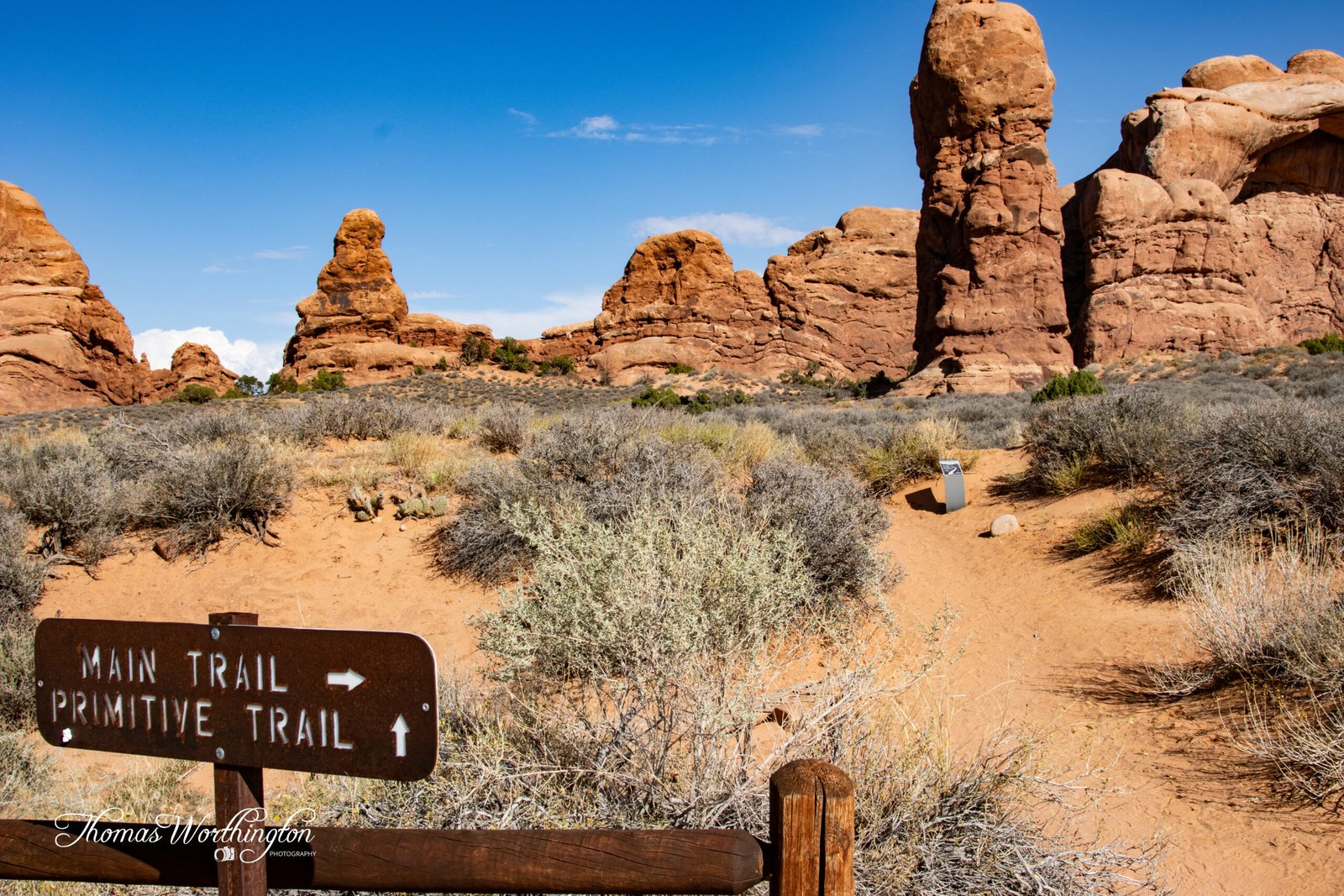
Unlike the plunging, immense depths of nearby Canyonlands, Arches is all about upward wonder. Everywhere you look, monumental sandstone fins rise out of the sagebrush, defying gravity as they loop and twist into delicate spans. Walking the trails—whether you are making the iconic trek up to Delicate Arch or wandering through the labyrinth of the Fiery Furnace makes you feel remarkably small in the best way possible.
The stone glows in shifting shades of copper, amber, and deep crimson as the daylight fades. It is a landscape that demands exploration, patience, and a deep appreciation for the quiet, slow-motion artistry of nature.
Departure: Leaving Moab in the rearview mirror
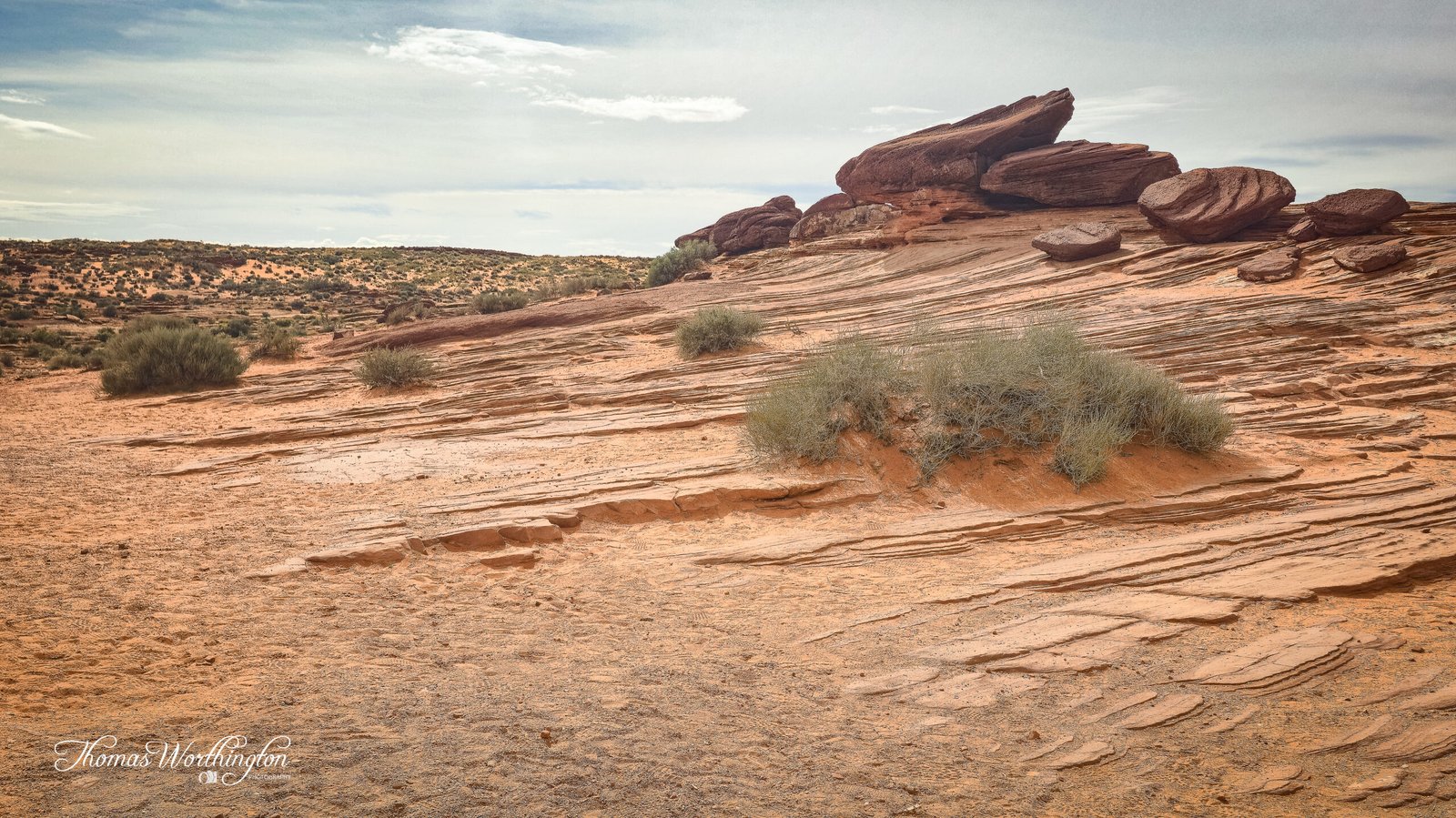
Before rolling out, grab a quick morning coffee in downtown Moab. While Moab is famous for Arches and Canyonlands National Parks, our journey today takes us south down US-191, trading the jagged canyonlands for the wide-open red rock expanses of Southern Utah.
Mexican Hat, Utah
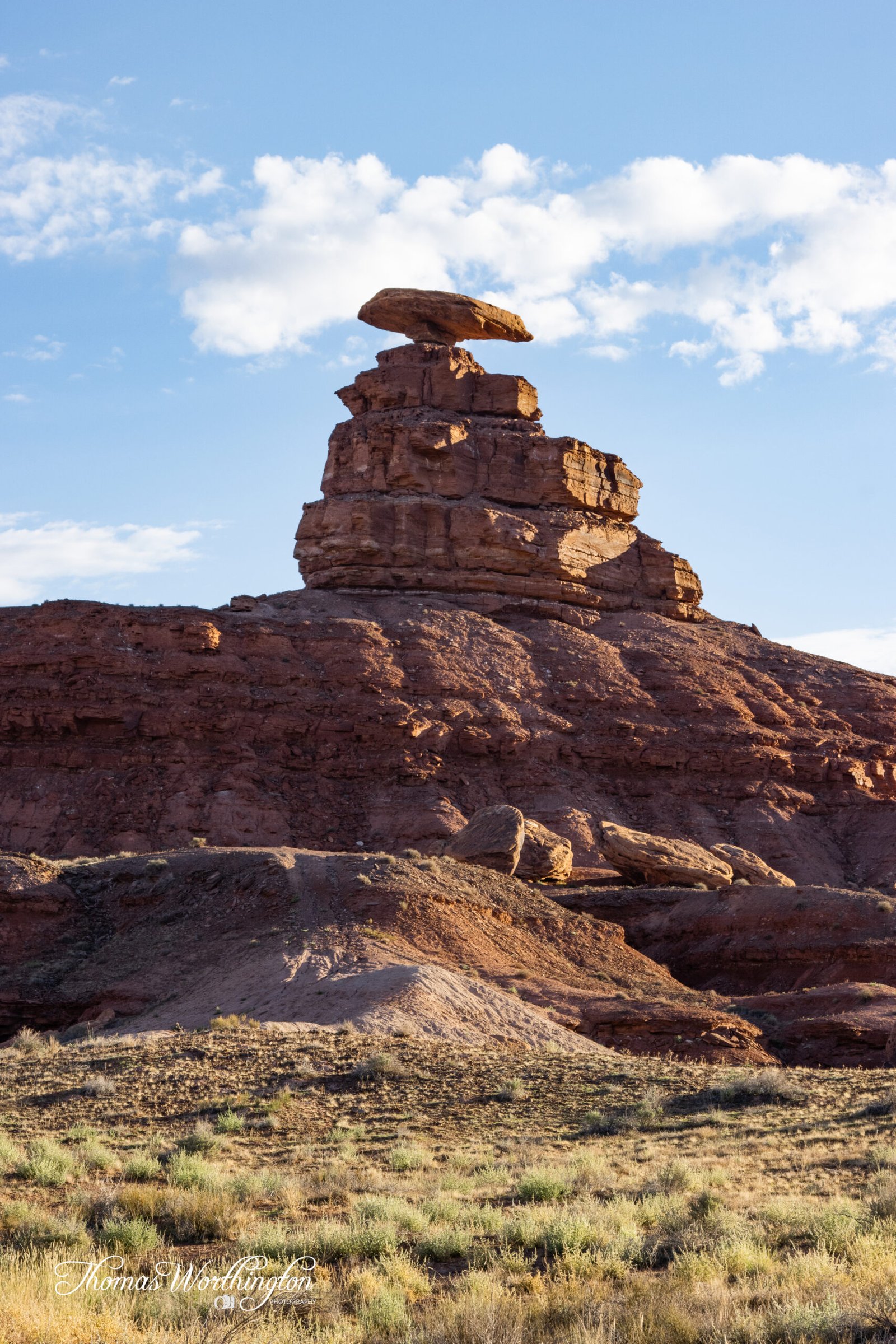
About two hours south of Moab, you’ll arrive at the quirky desert town of Mexican Hat. Named after an extraordinary rock formation that looks—quite literally—like an upside-down sombreró balanced on a small hill, this quick stop is a great place to strech your legs
Pro Photo Tip: You can spot the rock formation right off UT-163. Pull into the turnout to capture a quick photo before heading toward the main event!
The Famous Forrest Gump Point
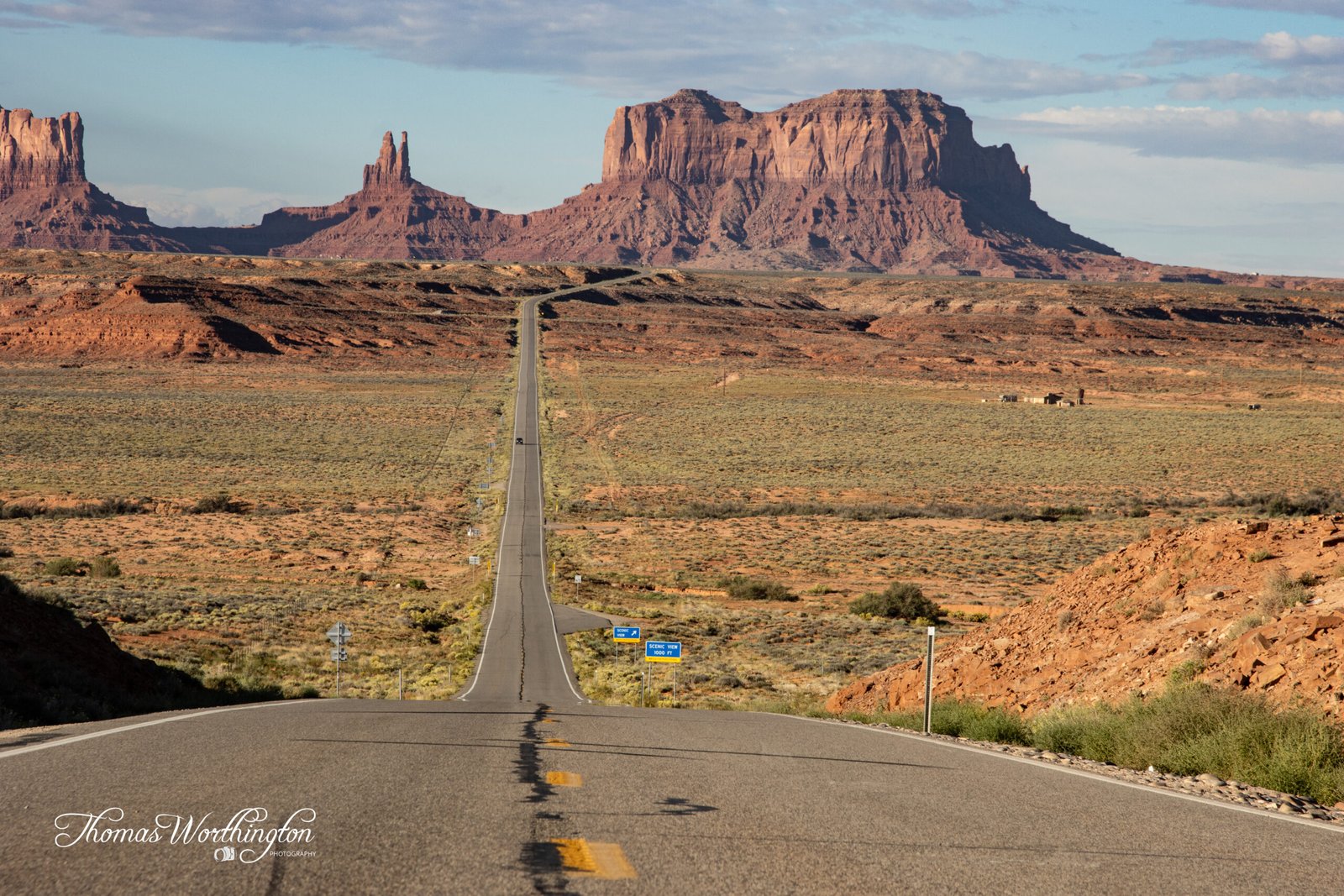
Continuing along UT-163, keep your eyes peeled as you approach mile marker 13. You’ll immediately recognize the iconic view ahead: a straight, endless highway dipping and rising against the backdrop of Monument Valley’s majestic rock towers.This is Forrest Gump Point, the exact spot where Forrest decided to end his three-year, cross-country run in the 1994 film (“I’m pretty tired… I think I’ll go home now”).
Traveler Tip: Pull completely off the road into one of the wide gravel turnouts. Traffic moves fast here, so take your photos safely from the shoulder or designated viewing spots!
Monument Valley Navajo Tribal Park
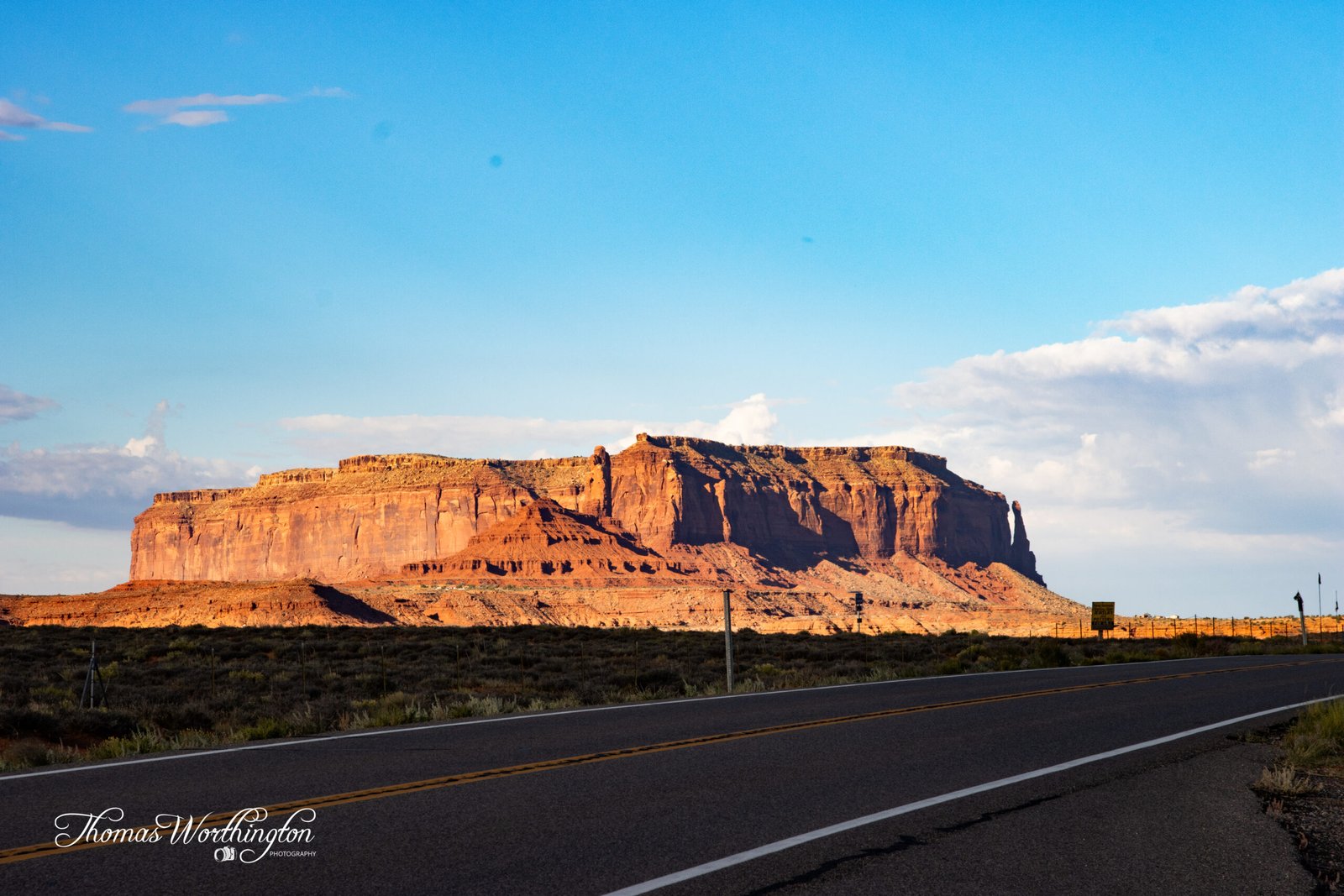
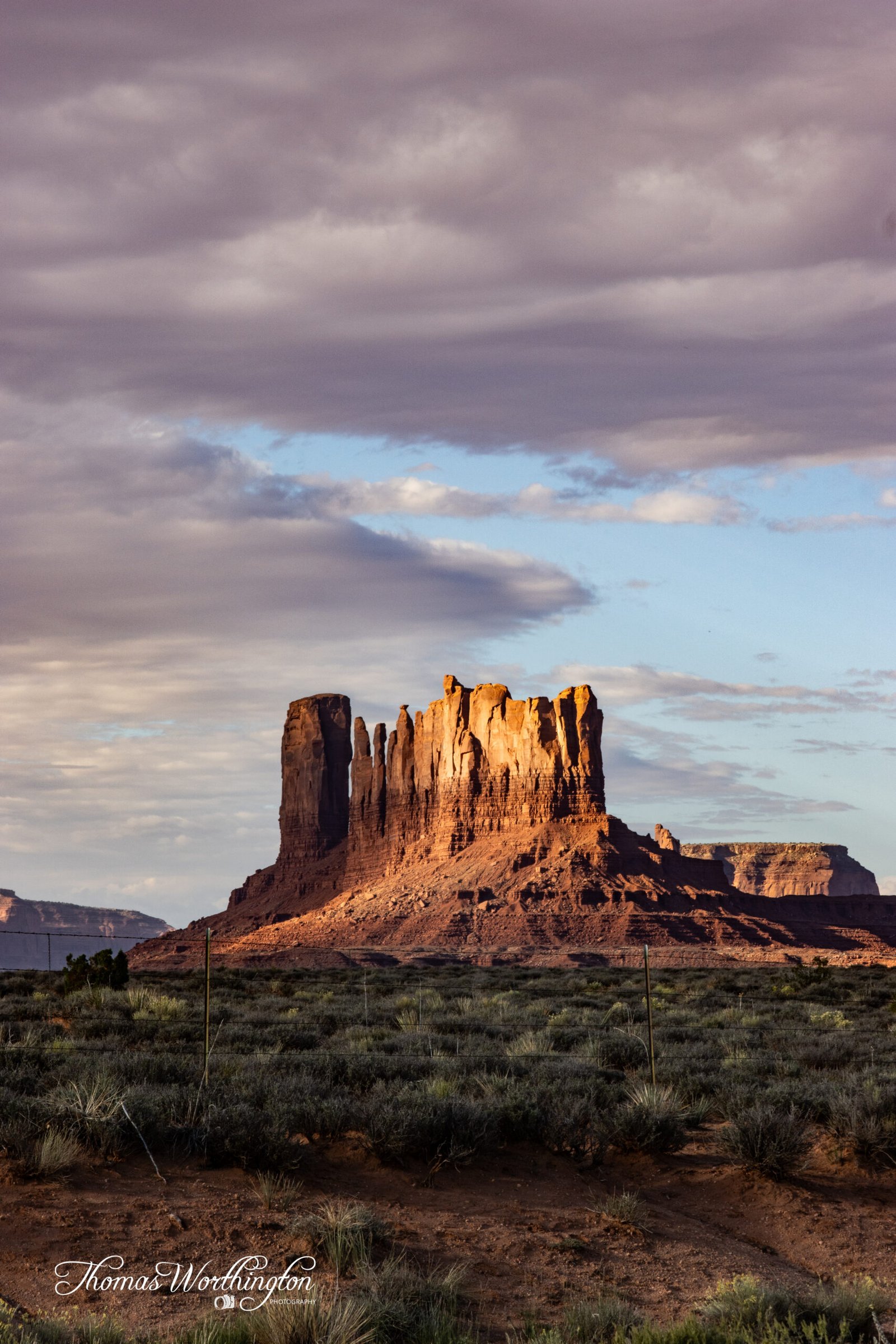
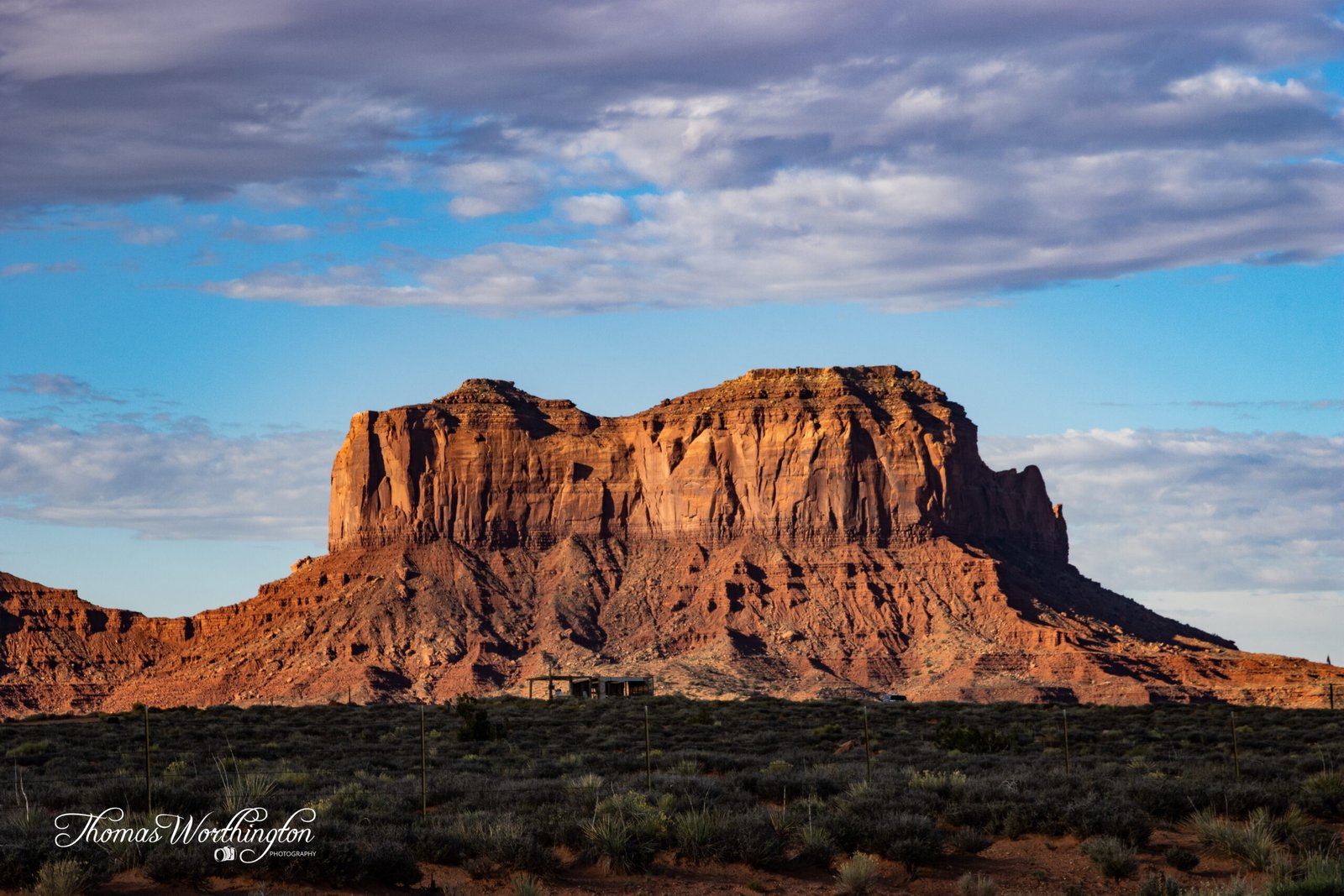
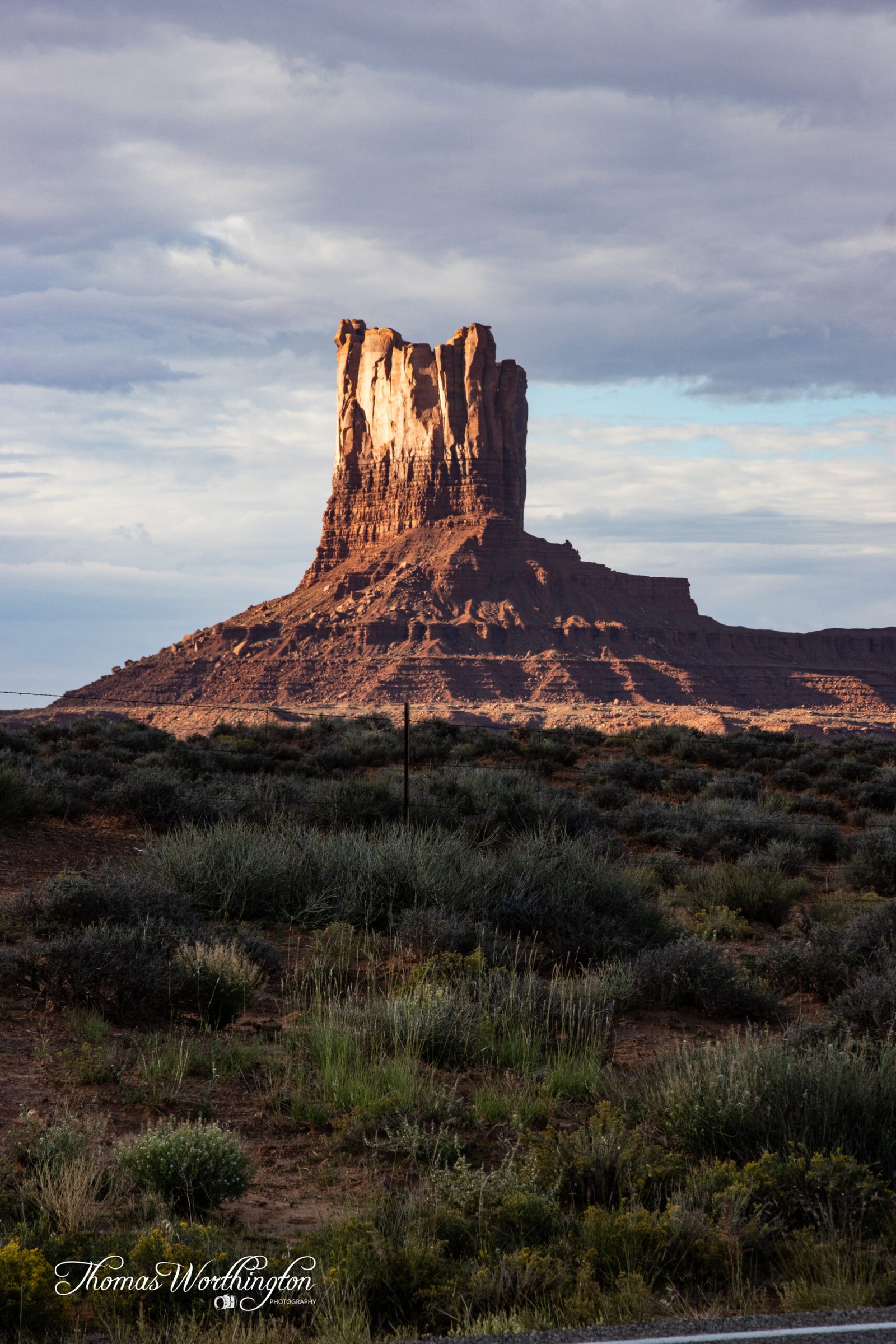
Just past the Utah-Arizona border lies Monument Valley, one of the most recognizable landscapes on Earth. Managed by the Navajo Nation, this park features iconic sandstone structures like the Mittens, Merrick Butte, and Elephant Butte.
Things to Do: Take a drive along the 17-mile dirt Valley Drive (loop road) for up-close views, or stop by the Visitor Center overlook for a sweeping panorama.
Culture & Snacks: Don’t forget to grab fresh Navajo Frybread from a local vendor nearby—it’s crisp, warm, and delicious!
Flagstaff & Dinner at Fat Olives
As you leave Monument Valley and make your way south down US-89 toward Flagstaff, the desert red rocks gradually give way to lush ponderosa pine forests. By evening, you’ll arrive in Flagstaff, Arizona the perfect dinner pitstop.
No visit to Flagstaff is complete without stopping at Fat Olives, as seen on Dinner, Drive inns. Famous for its Vera Pizza Napoletana certified wood-fired pizzas, this local favorite serves up perfectly charred crusts, savory San Marzano tomato sauces, and fresh toppings.
Arrival: GlendaleAfter refueling with incredible pizza, hop onto I-17 South for the scenic descent out of northern Arizona’s high country down into the Valley of the Sun. End your epic Southwest road trip in Glendale, where you can relax, explore local historic downtown shops, or catch an event at Westgate Entertainment District.
A Tale of Two Deserts: The Ultimate Guide to Saguaro National Park West & East
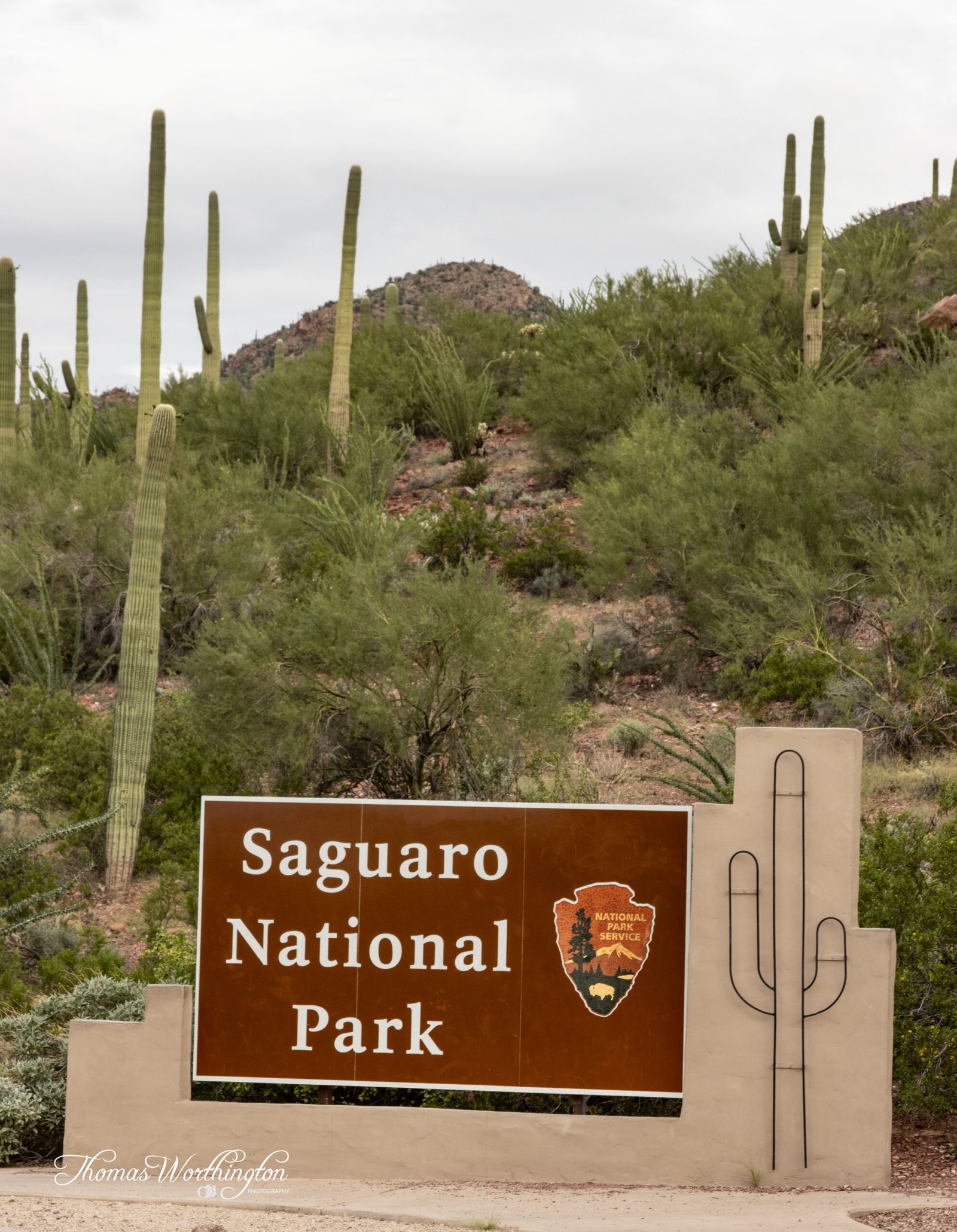
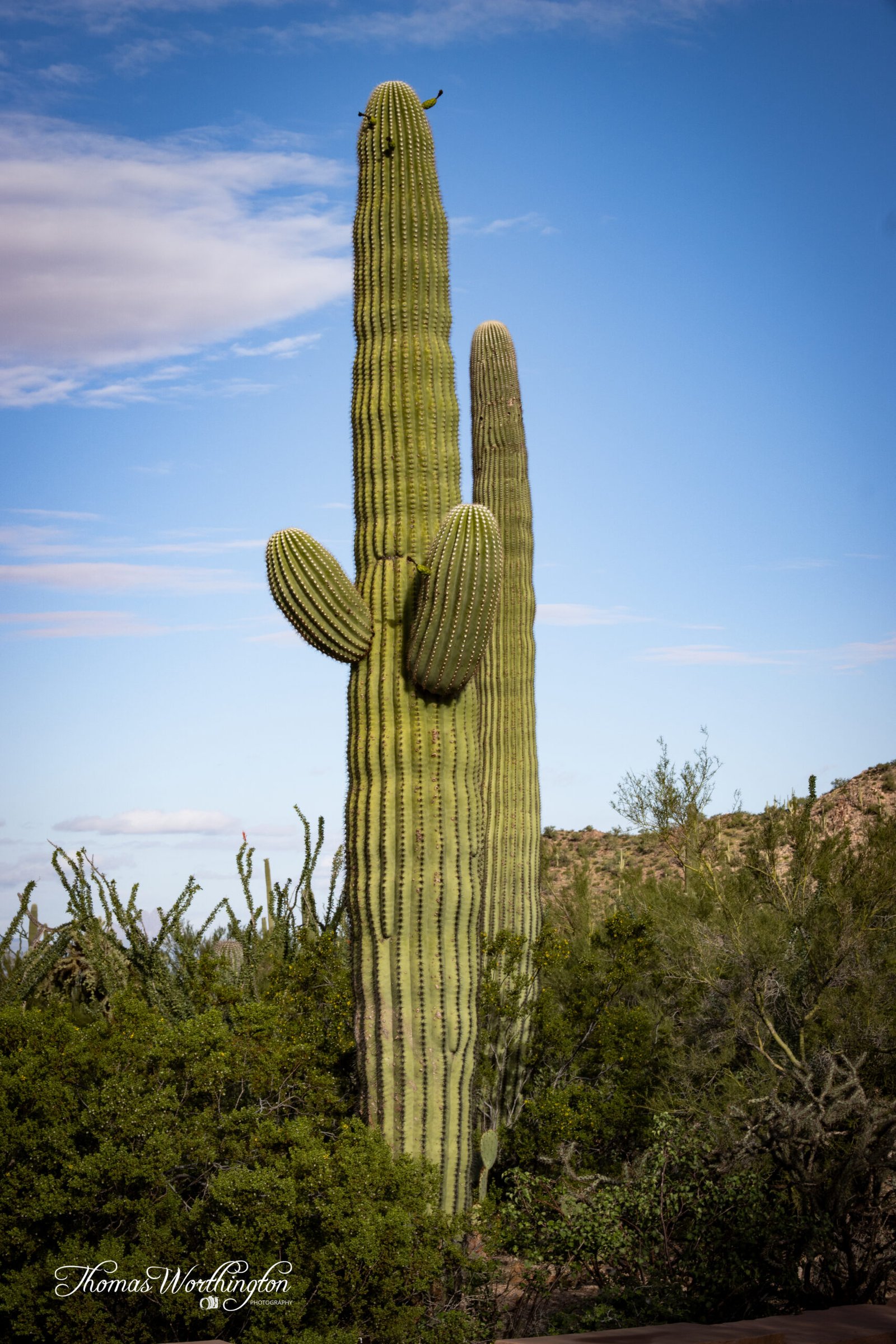
When people picture the American Southwest, they almost always imagine the iconic Saguaro cactus standing like a tall, multi-armed sentinel against a blazing desert sunset. There is only one place on Earth where these giant desert icons grow natively: the Sonoran Desert.
Split straight down the middle by the city of Tucson, Arizona, Saguaro National Park is uniquely divided into two distinct districts separated by about 30 miles (a 45-to-60-minute drive across town):
- Tucson Mountain District (Saguaro West)
- Rincon Mountain District (Saguaro East)
While both protect the same Sonoran ecosystem, each side offers a vastly different landscape, vibe, and trail experience. Here is everything you need to know about exploring both sides of Saguaro National Park to plan your ultimate desert getaway.
Saguaro West: Tucson Mountain District
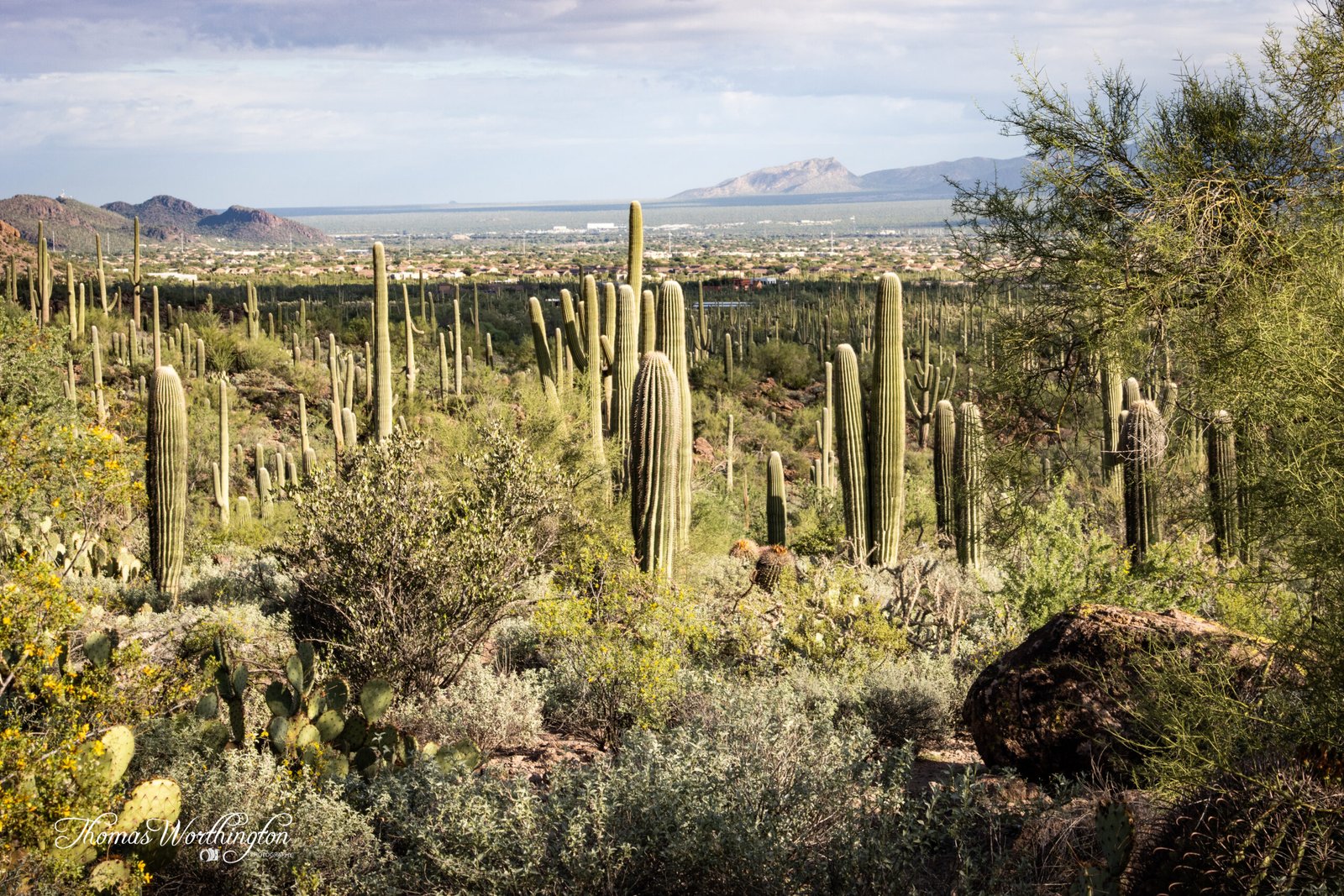
If you are looking for dense cactus forests, sweeping desert lowlands, and quick, accessible day hikes, Saguaro West is your destination.
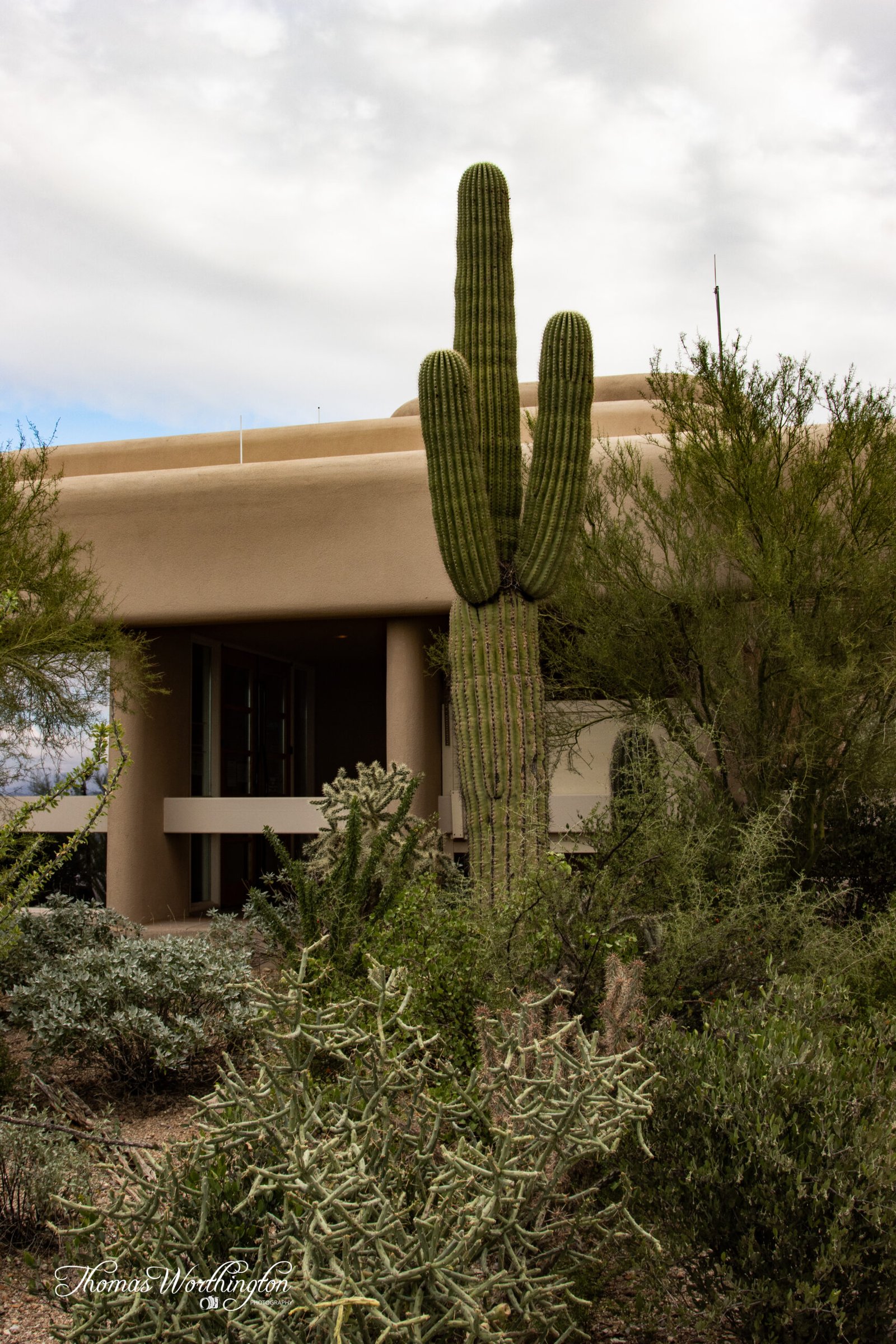
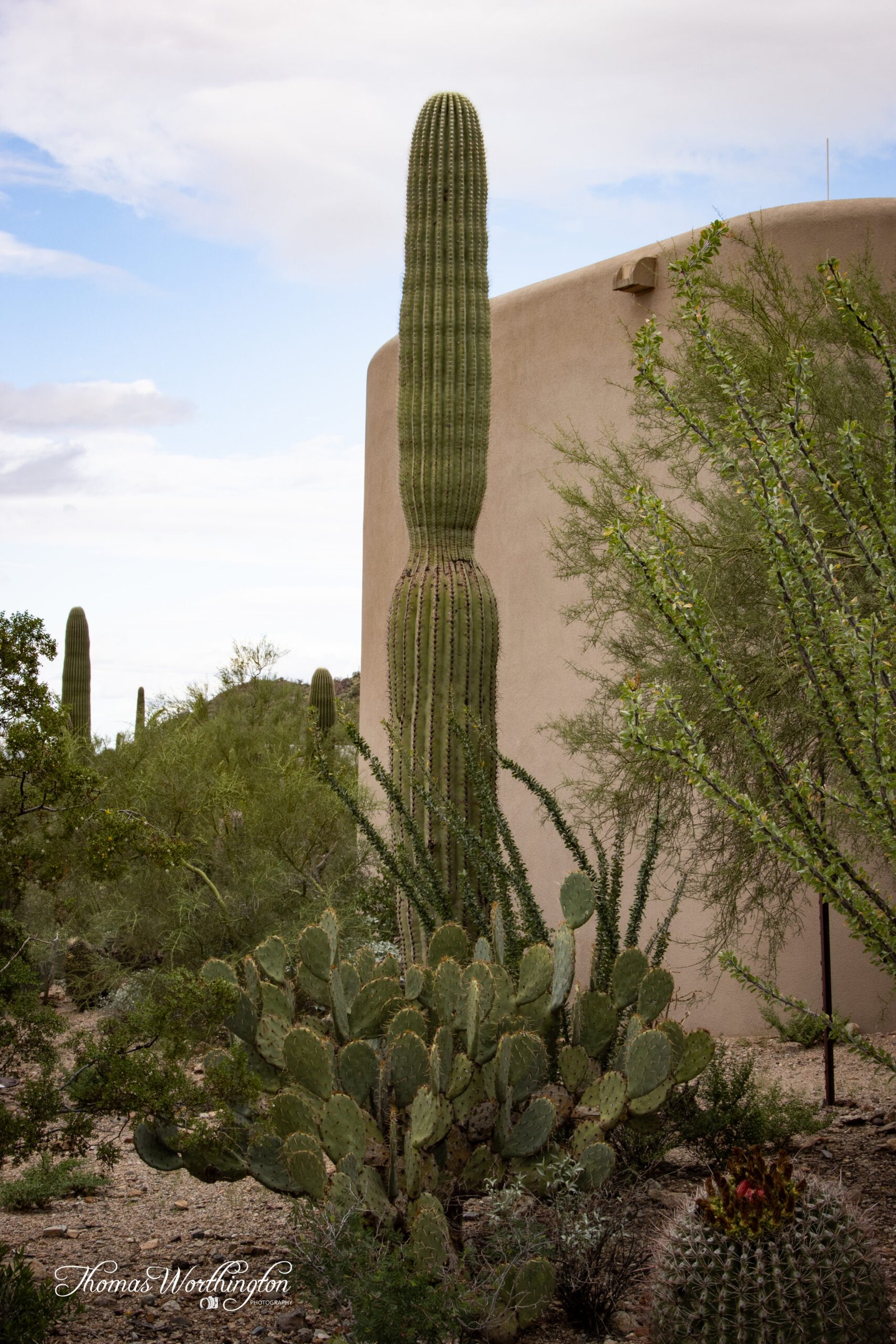
Because the cacti here grow at a lower elevation, they form dense, lush stands of giant saguaros covering rolling volcanic hills.
Saguaro West at a Glance
- Key Feature: Dense cactus stands and ancient petroglyphs
- -Scenic Road: Bajada Loop Drive (Unpaved/Gravel)
- Standout Trail: Valley View Overlook and Signal Hill
- Vibe: Classic “Wild West” desert landscape
Highlights of the West Side
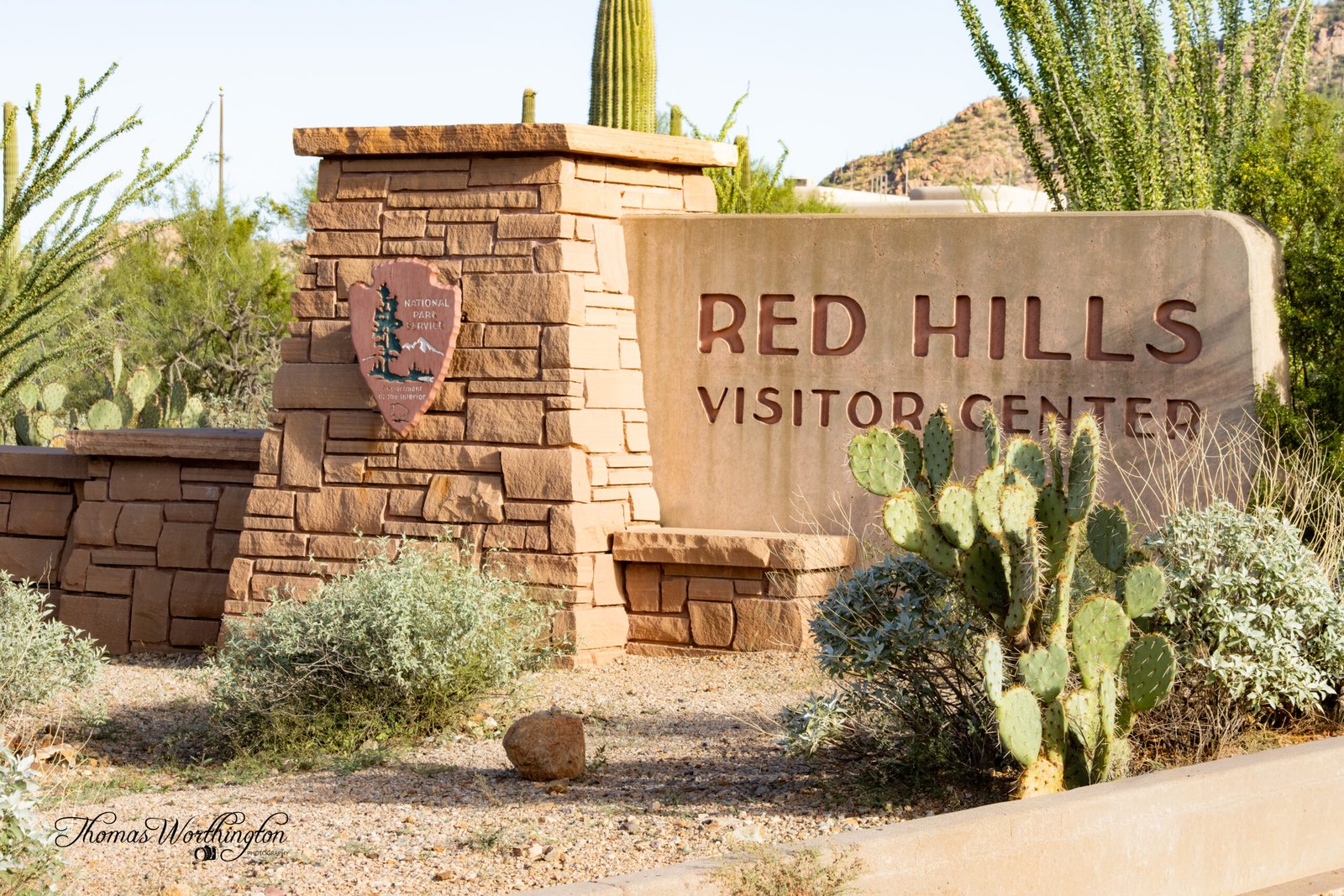
- Red Hills Visitor Center: Start here for maps and a viewing deck looking directly out over a sea of cacti.
- Bajada Loop Drive: A scenic 6-mile unpaved gravel loop winding through dense saguaro groves. It is well-maintained and suitable for standard passenger vehicles.
- Signal Hill Trail: A short, easy 0.5-mile walk leading up to ancient petroglyphs carved into dark boulders by the Hohokam people over 800 years ago.
- Valley View Overlook Trail: A quick 0.8-mile round-trip hike leading to a ridge with sweeping views across the Avra Valley.
- Wasson Peak: For seasoned hikers, the 8-mile round-trip climb up Wasson Peak delivers views of the entire Tucson basin.
Pro Tip: Pair a morning trip to Saguaro West with an afternoon at the neighboring Arizona-Sonora Desert Museum, an outdoor zoo, botanical garden, and natural history museum right next to the park border.
Saguaro East: Rincon Mountain District
Saguaro East feels vast, rugged, and dramatic. Backed by the towering Rincon Mountains, the East District spans over 67,000 acres—much of it designated wilderness accessible only by foot or horseback.
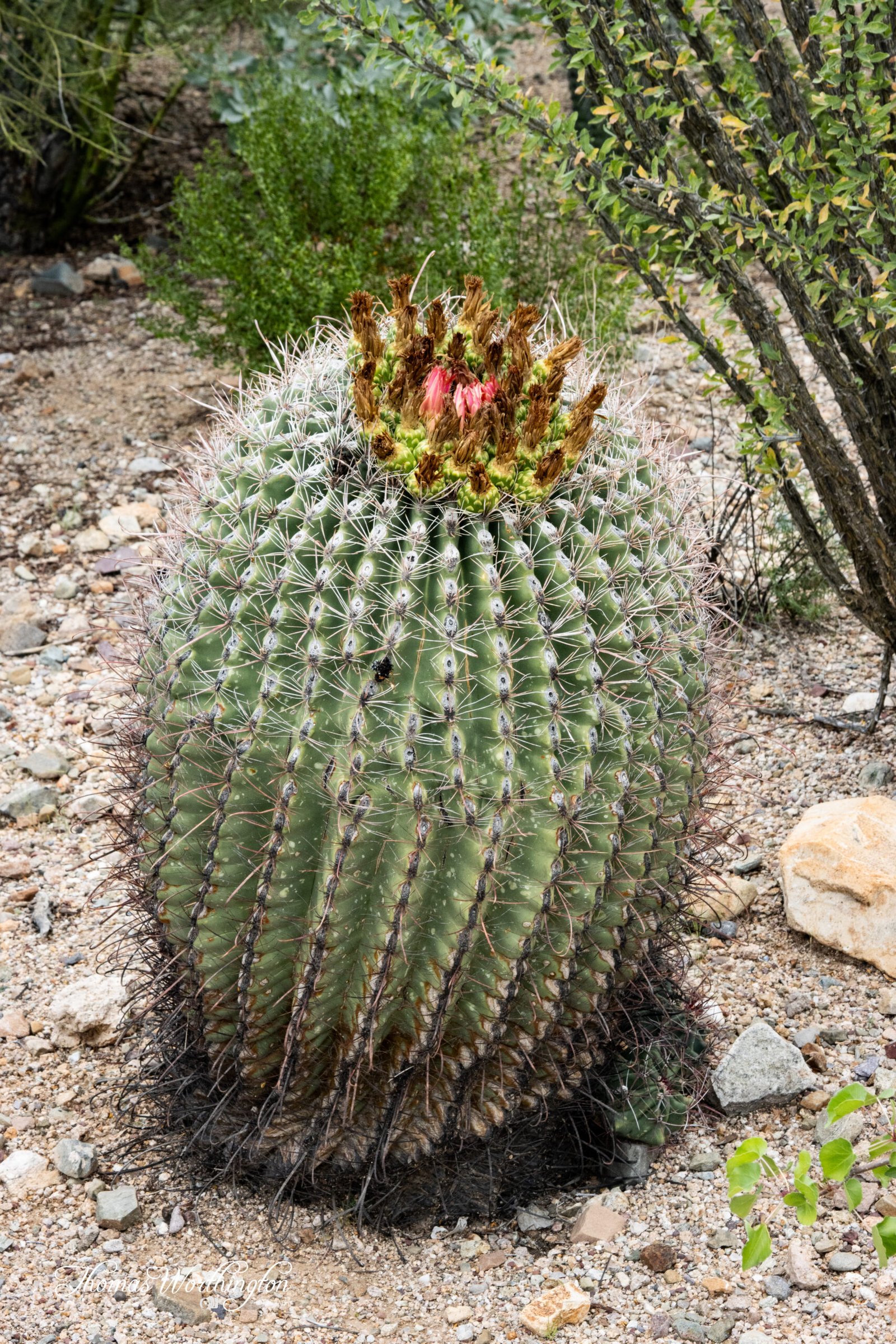
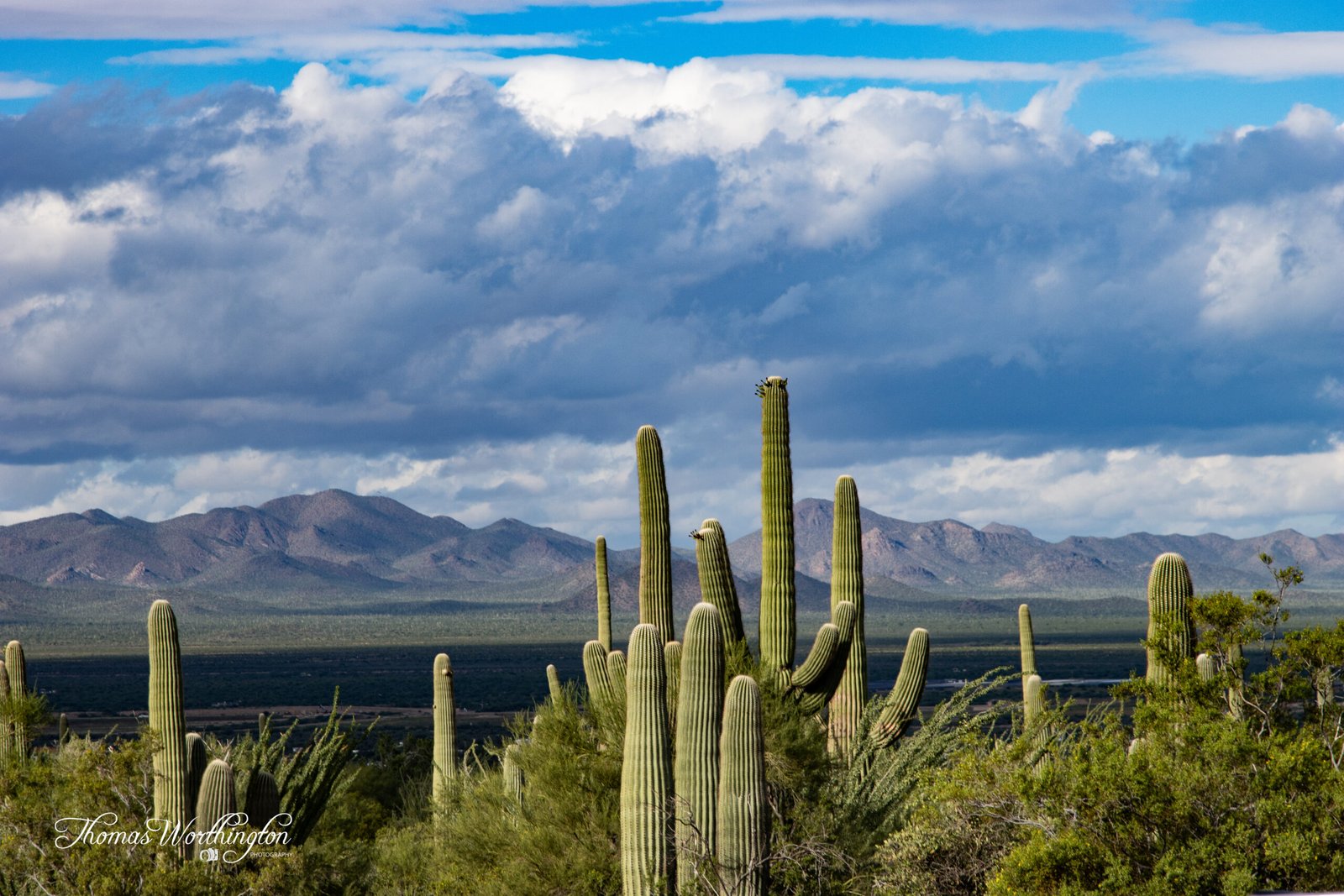
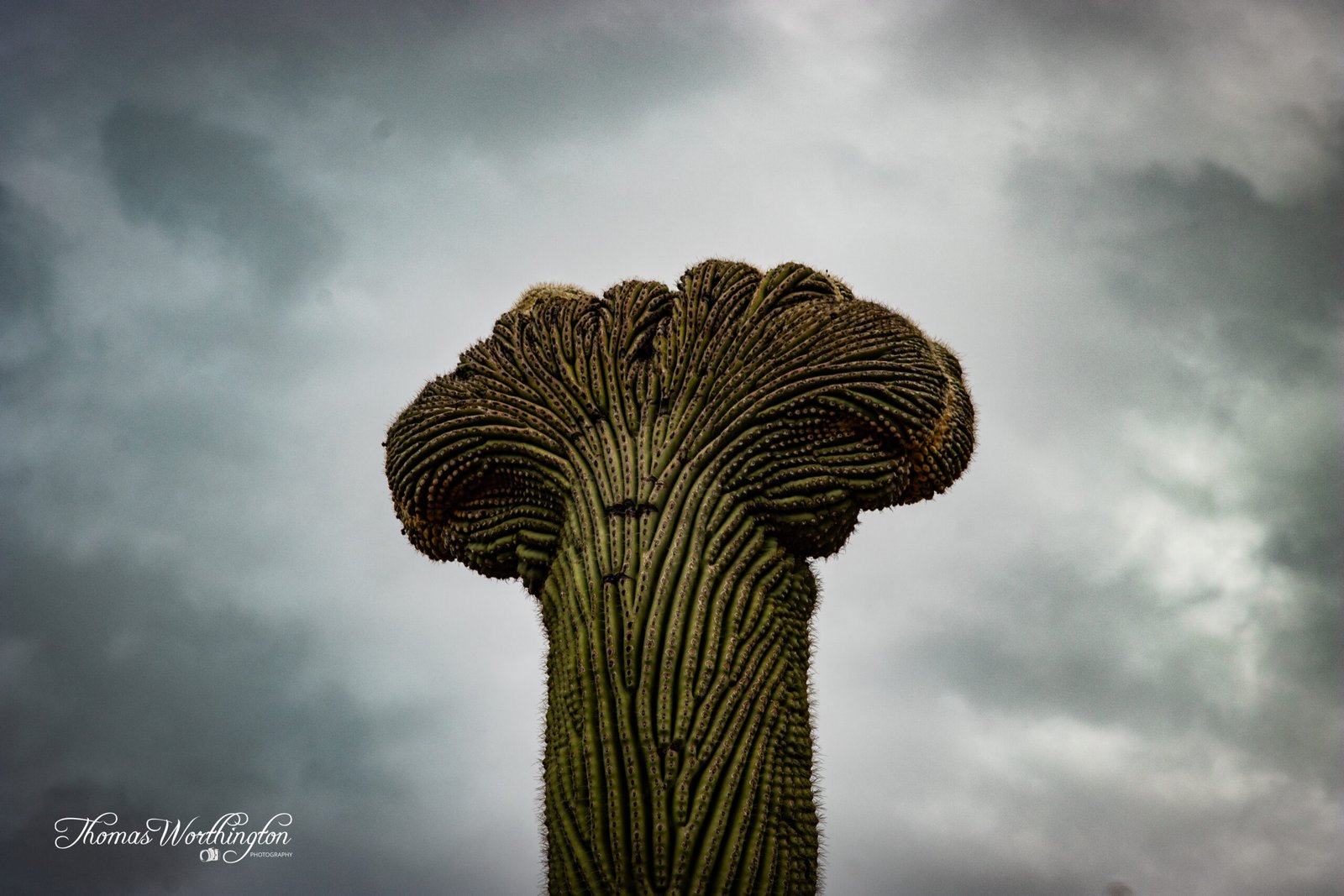
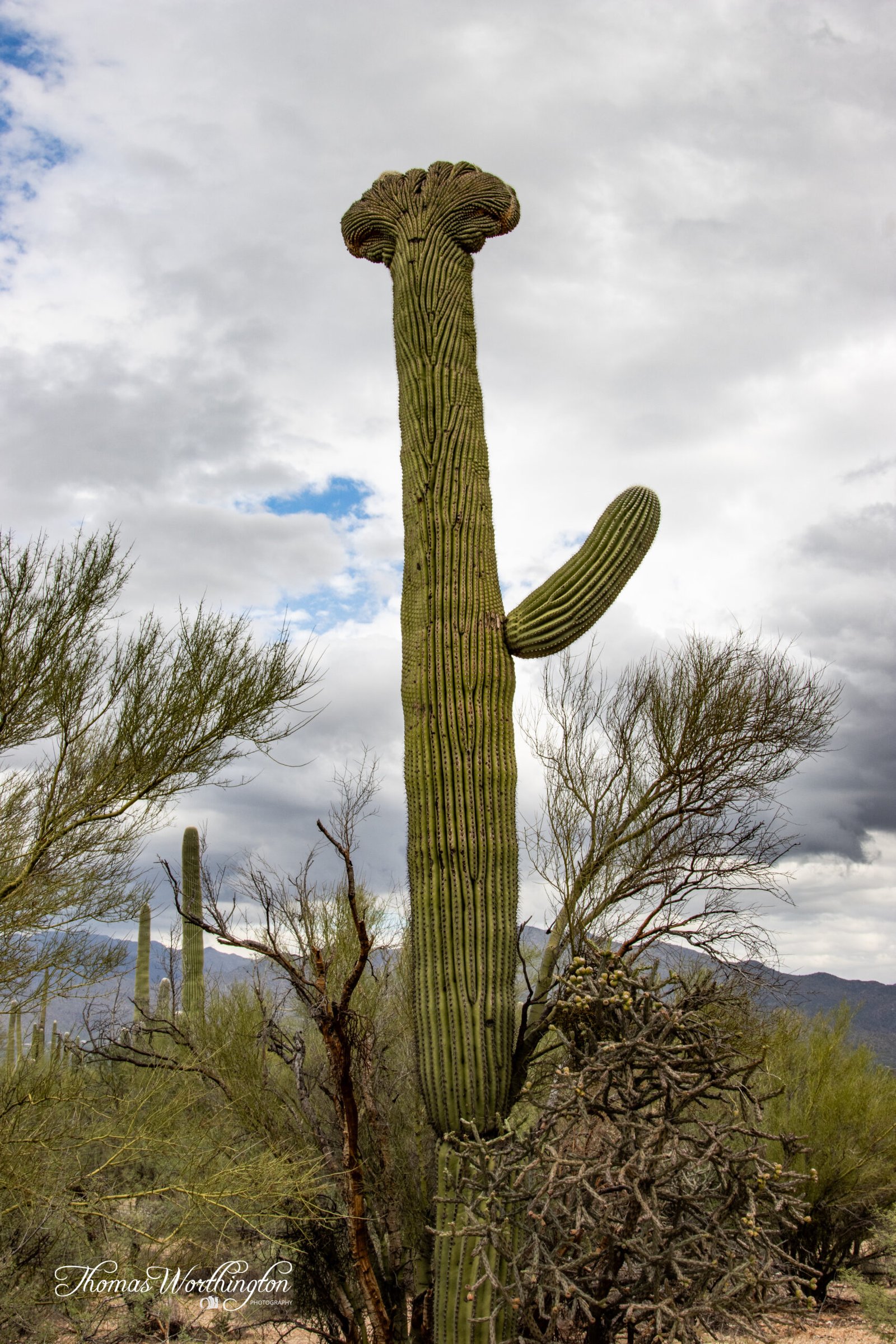
Because of the higher mountain elevations, saguaros here share the landscape with pine and oak forests near the peaks. The saguaros in the East also tend to be older, taller, and feature more complex, twisting arm formations.
Saguaro East at a Glance
- Key Feature: Mountain vistas and old-growth saguaros
- Scenic Road: Cactus Forest Loop Drive (Paved)
- Standout Trail: Tanque Verde Ridge Trail
- Vibe: Quiet, spacious, and mountainous
Highlights of the East Side
- Rincon Mountain Visitor Center: Features detailed indoor and outdoor educational exhibits on desert ecology and geology.
- Cactus Forest Loop Drive: An 8-mile, fully paved loop road with winding turns, rolling dips, and spectacular views of the Rincon Mountains. It is a favorite route for both drivers and road cyclists.
- Mica View Trail & Desert Ecology Trail: Accessible walking paths that offer close-up views of mature desert flora and local bird life.
- Tanque Verde Ridge Trail: A challenging ridge hike offering escalating views of the valley. You can turn around after 2–3 miles or continue deep into the backcountry wilderness.
Saguaro West vs. Saguaro East: Quick Comparison
- Cactus Density:
Saguaro West: Extremely high with dense groves.
Saguaro East: Spread out, with larger and older individual cacti. - Topography:
Saguaro West: Low, rolling desert hills.
Saguaro East: High mountain ranges and backcountry. - Main Scenic Road:
Saguaro West: Unpaved gravel (Bajada Loop Drive). - Saguaro East: Fully paved (Cactus Forest Loop Drive).
- Crowds .Saguaro West: Busier and popular for quick visits. Saguaro East: Quieter and spread over a larger area.
- Best For: Saguaro West: Short hikes, petroglyphs, and sunsets.
Saguaro East: Road cycling, mountain vistas, and long hikes.
Practical Tips for Your Visit
- Best Time to Visit: November through April offers pleasant hiking temperatures. Late April through May is bloom season, when white saguaro blossoms crown the tops of the cacti.
- Beat the Heat: Summer temperatures routinely exceed 100 . If visiting in summer, it is recommended that you hike only at dawn and carry at least 1 gallon of water per person.
- One Pass Covers Both: Your 7-day National Park entrance pass is valid at both the West and East districts. Or if you are like us and your going to visit more that 3national park in a year it is worth the annual pass.
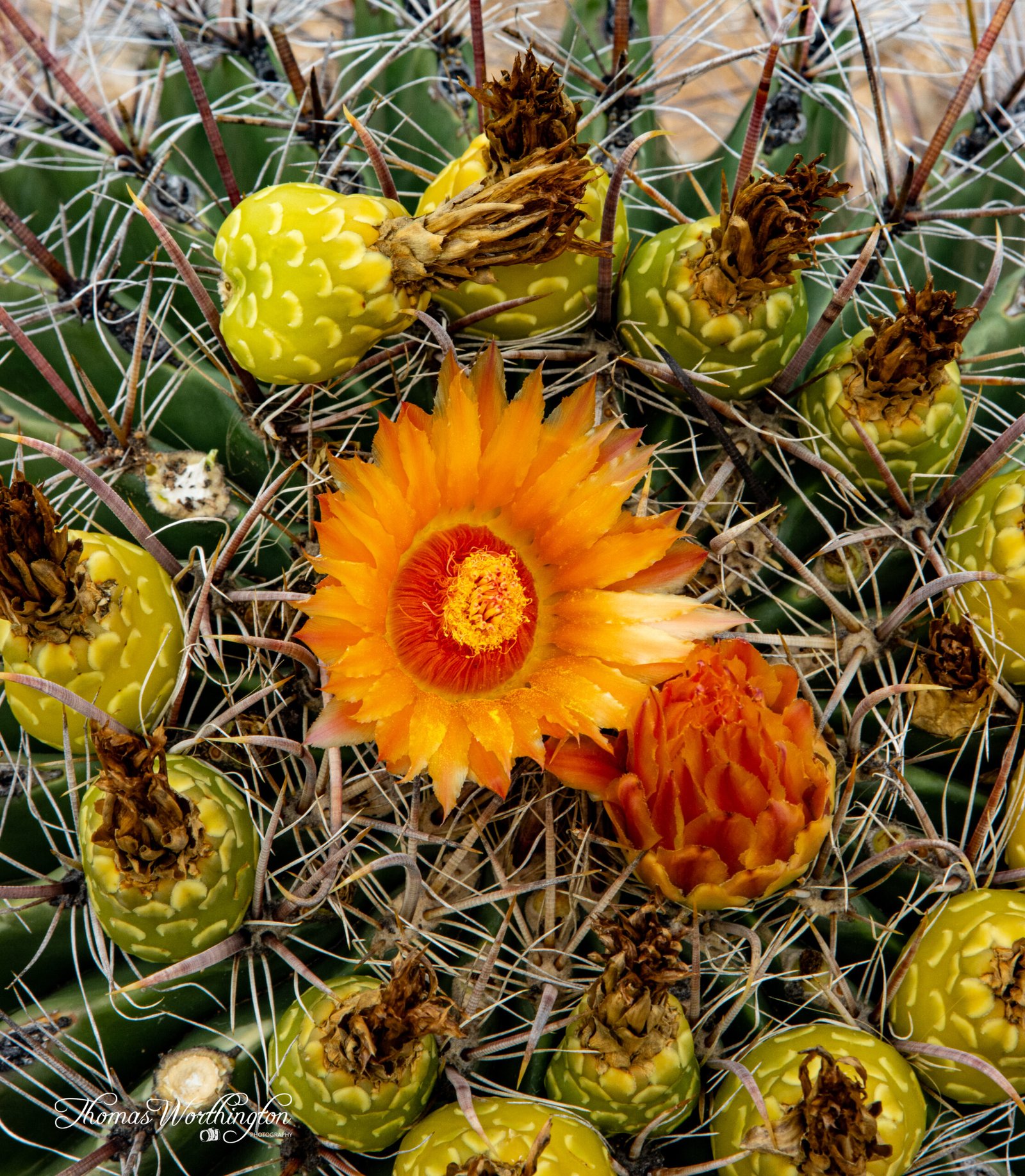
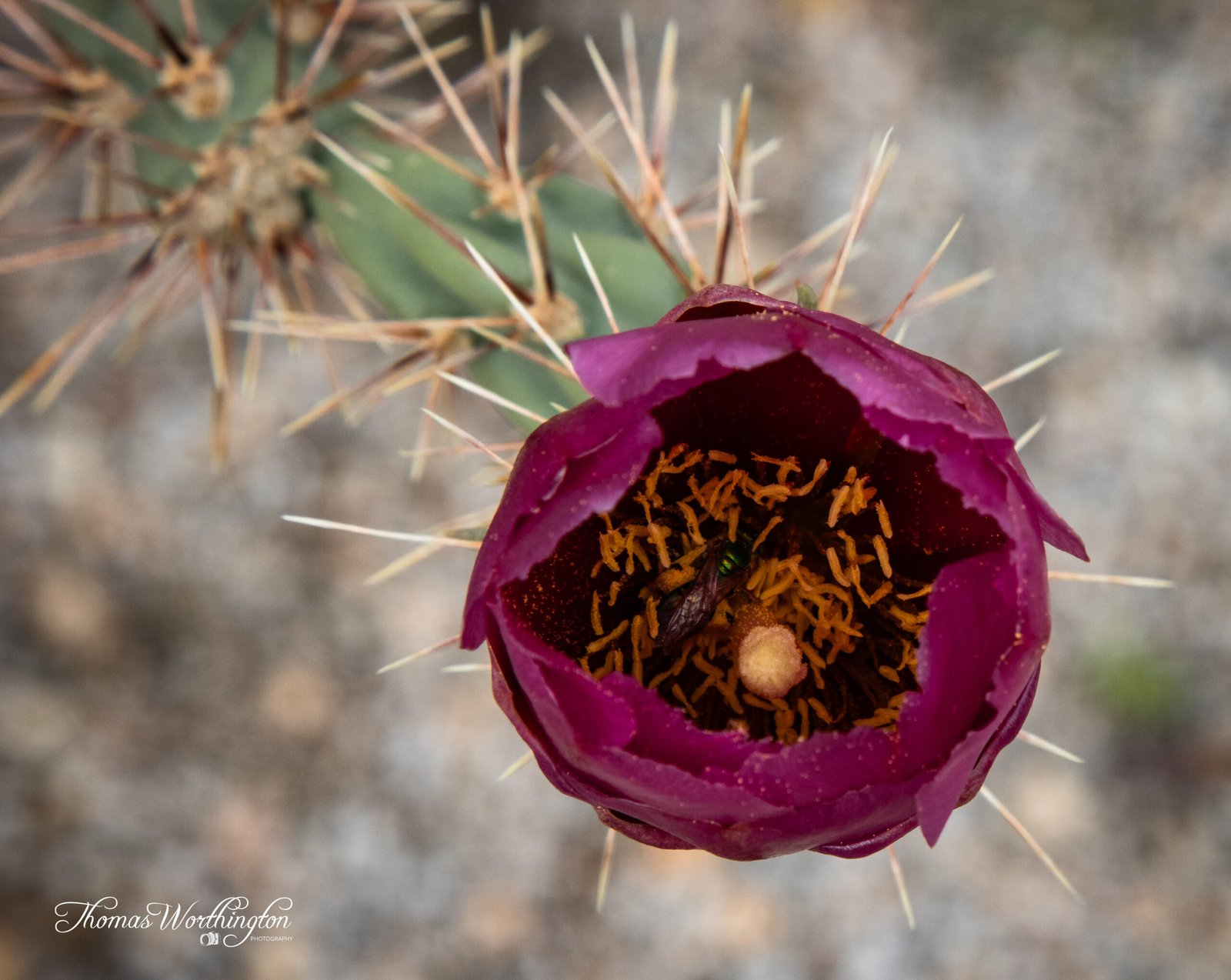
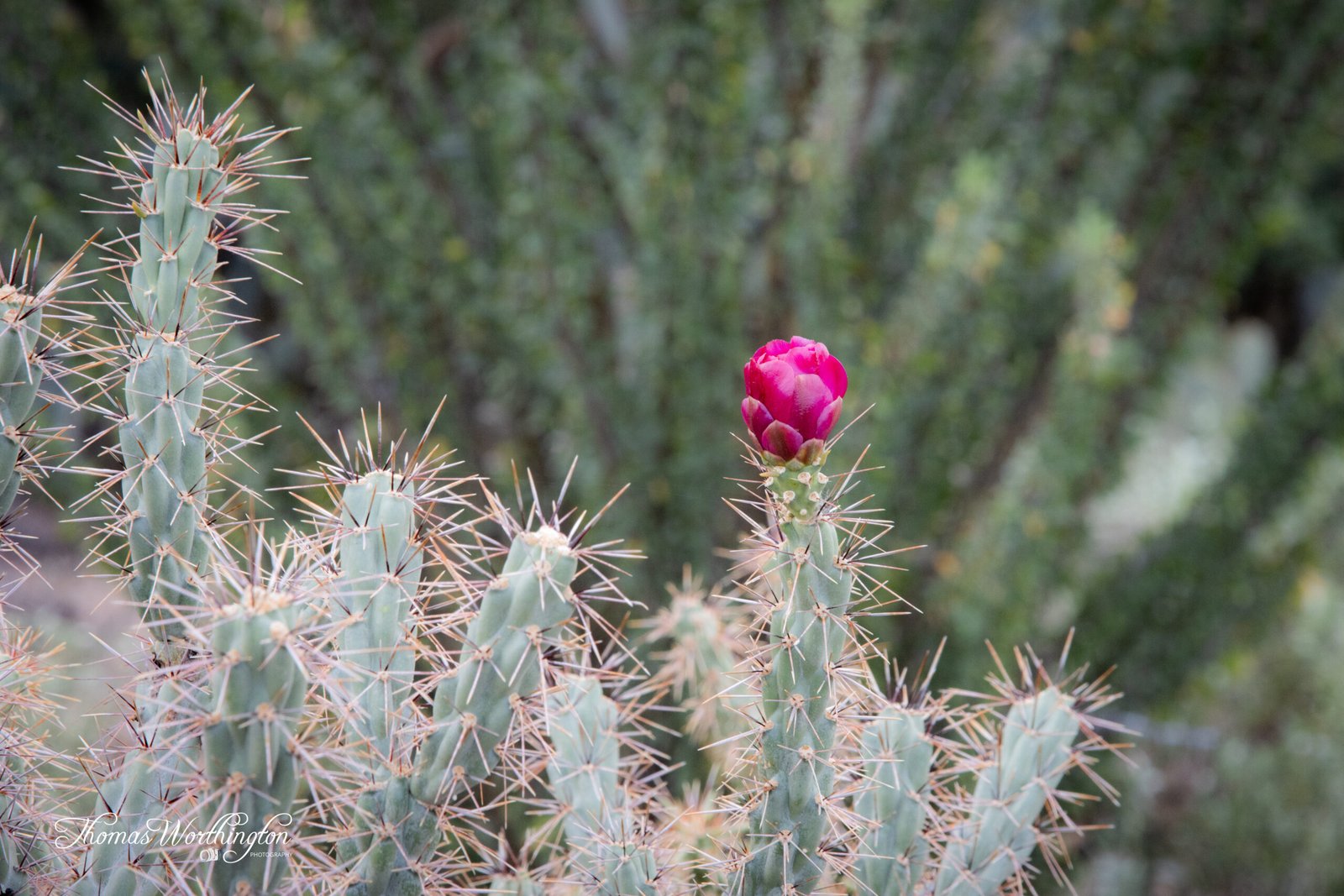
- Watch Your Step: Stay on designated trails to protect fragile biological soil crusts and avoid rattlesnakes, Gila monsters, and spiky cholla cacti. And yes the cacti (cactuses)) are sharp, just ask my wife.
Which Side Should You Choose?
If you only have half a day, head to Saguaro West for dense cacti and classic Southwest scenery. If you have a full day or two, spend the morning exploring the petroglyphs and trails of Saguaro West, then catch a dramatic desert sunset along the Cactus Forest Drive in Saguaro East.
Have you explored the Sonoran Desert, or are you currently planning a trip to Tucson? Leave a comment below with your favorite trail or any questions about building your itinerary!
Saguaro National Park to Tombstone: A Journey Through Time Stepping Back into the Wild West: A Historical Road Trip from Saguaro National Park to Tombstone
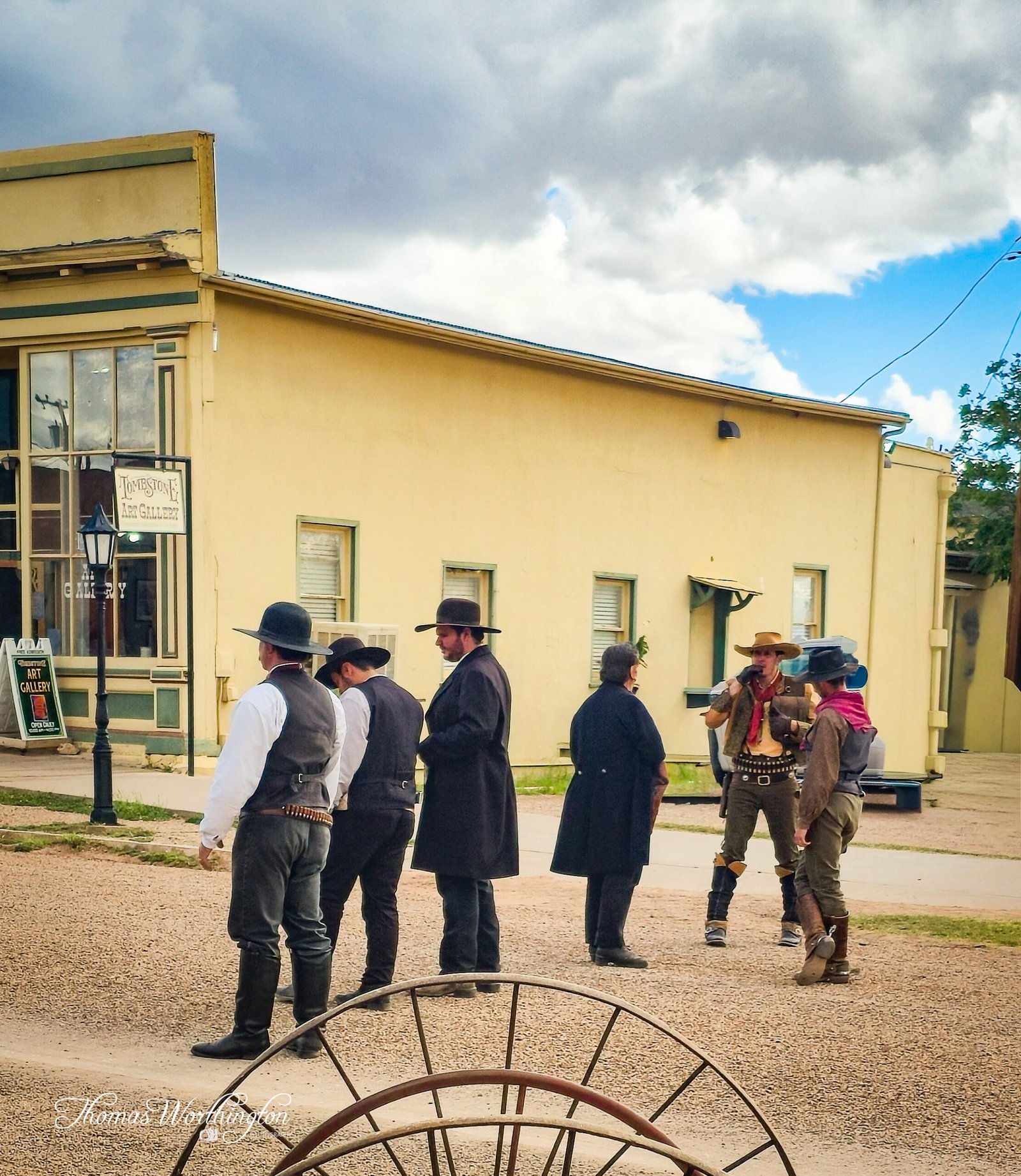
After the Detroit win against the Cardinals, we continued our road trip with a little history, after leaving the majestic Saguaro National Park we moved on to legendary town of Tombstone, Arizona. This journey felt like stepping back in time to the Wild West.
Driving from the towering cacti of the Sonoran Desert towards the rugged mountains of the Chiricahua range, the landscape gradually transformed, hinting at the history waiting to be discovered in Tombstone.
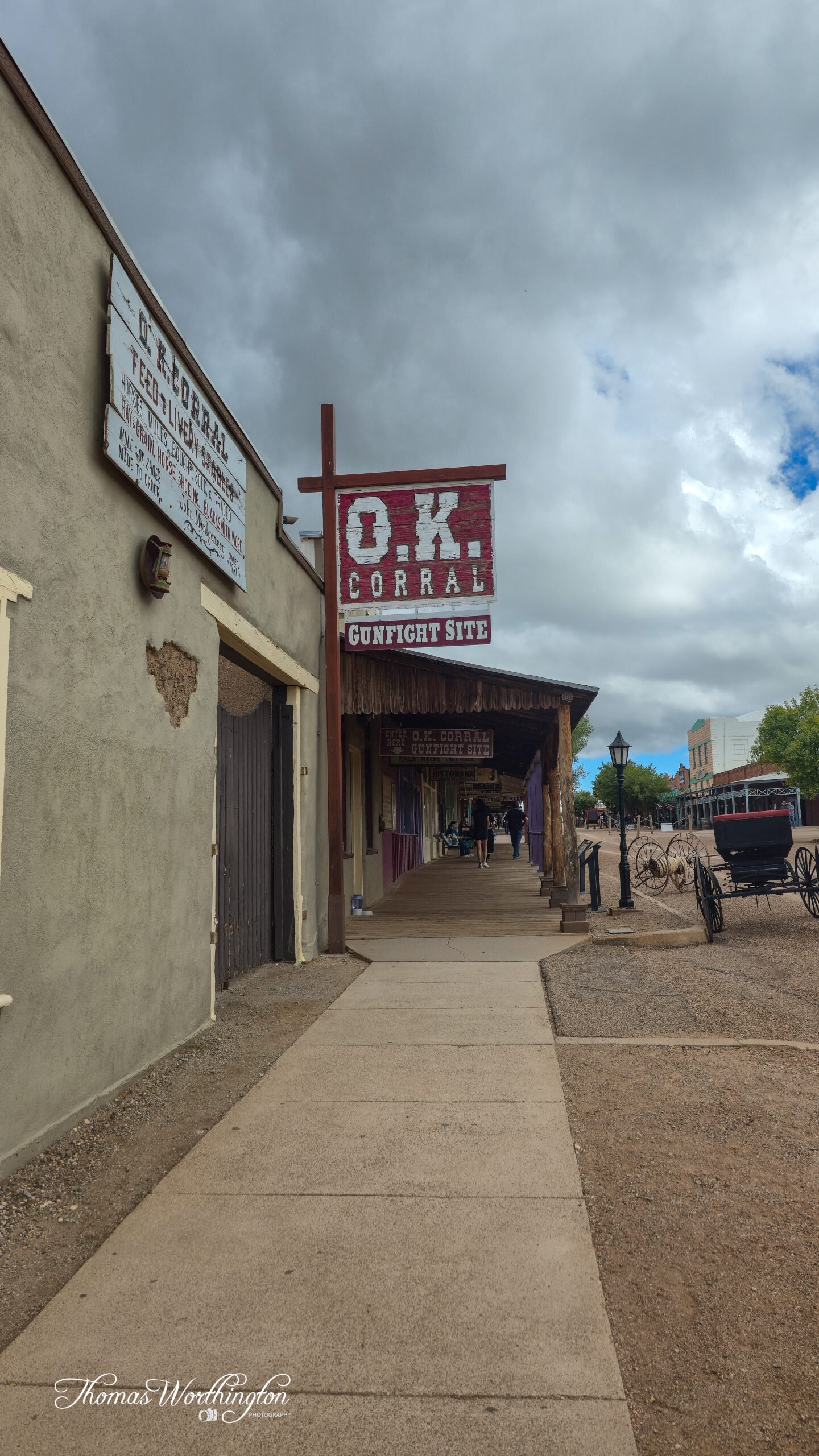
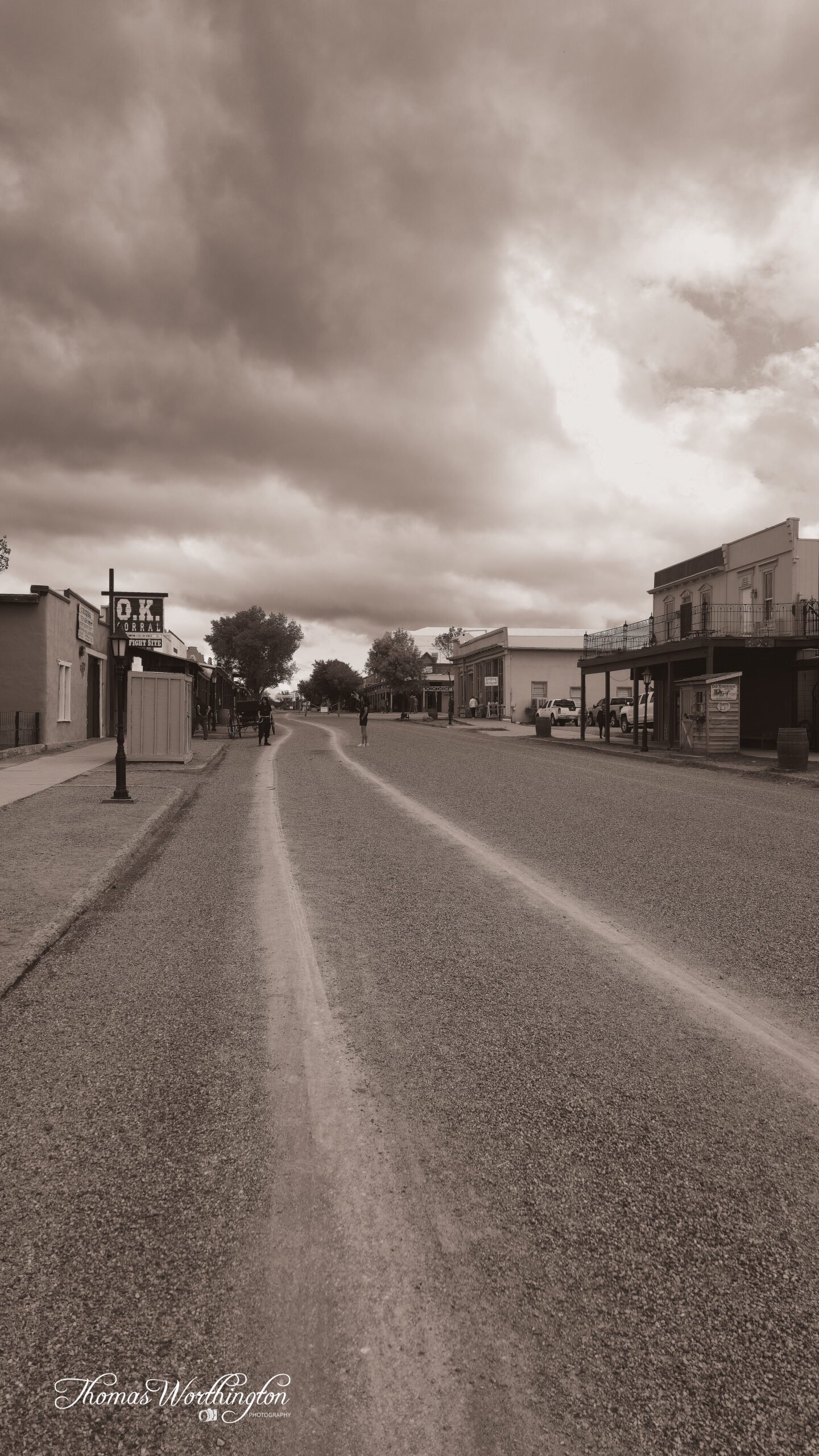
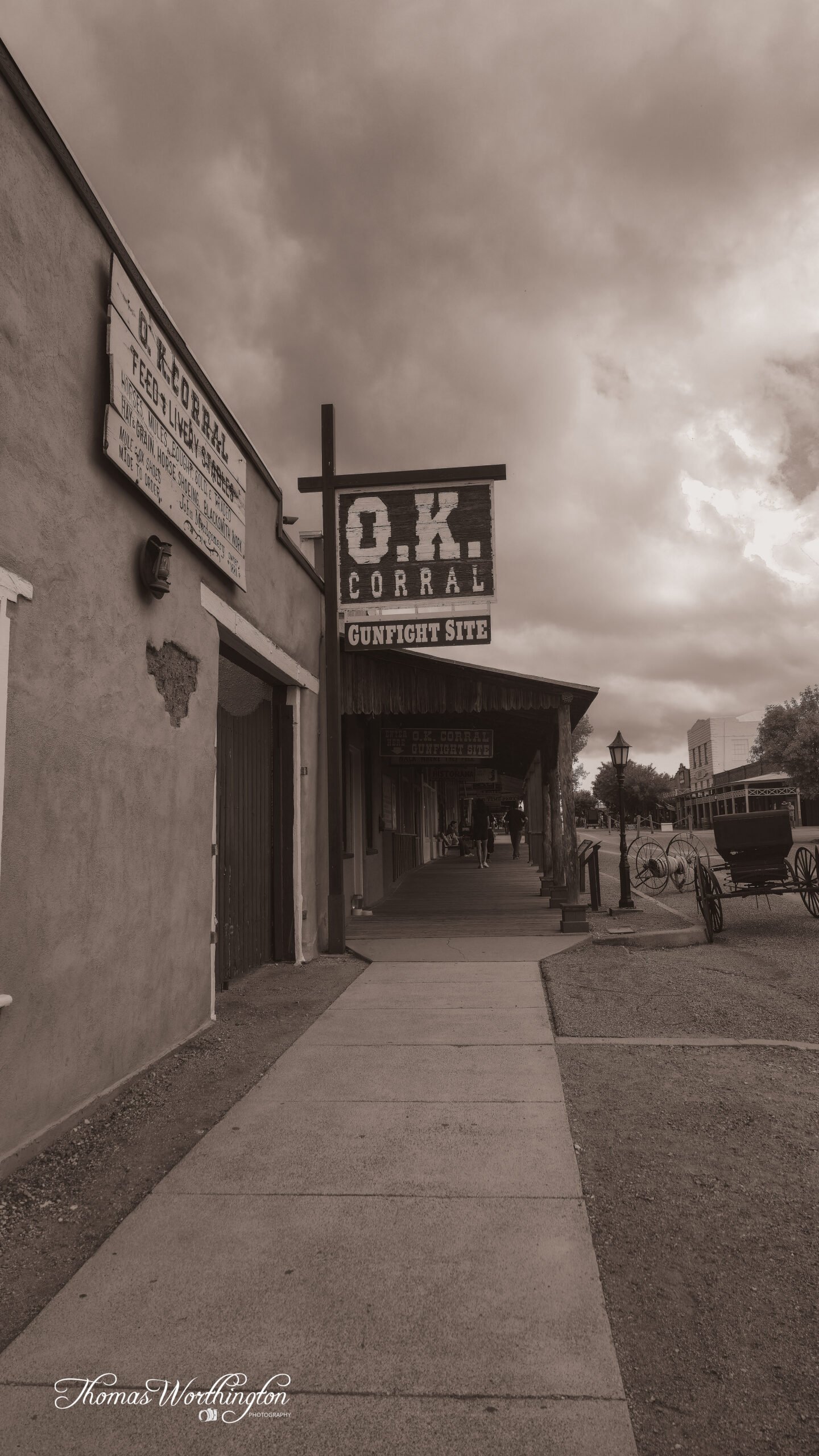
As we approached the town, the air seemed to hum with tales of gunslingers, saloons, and the infamous O.K. Corral.
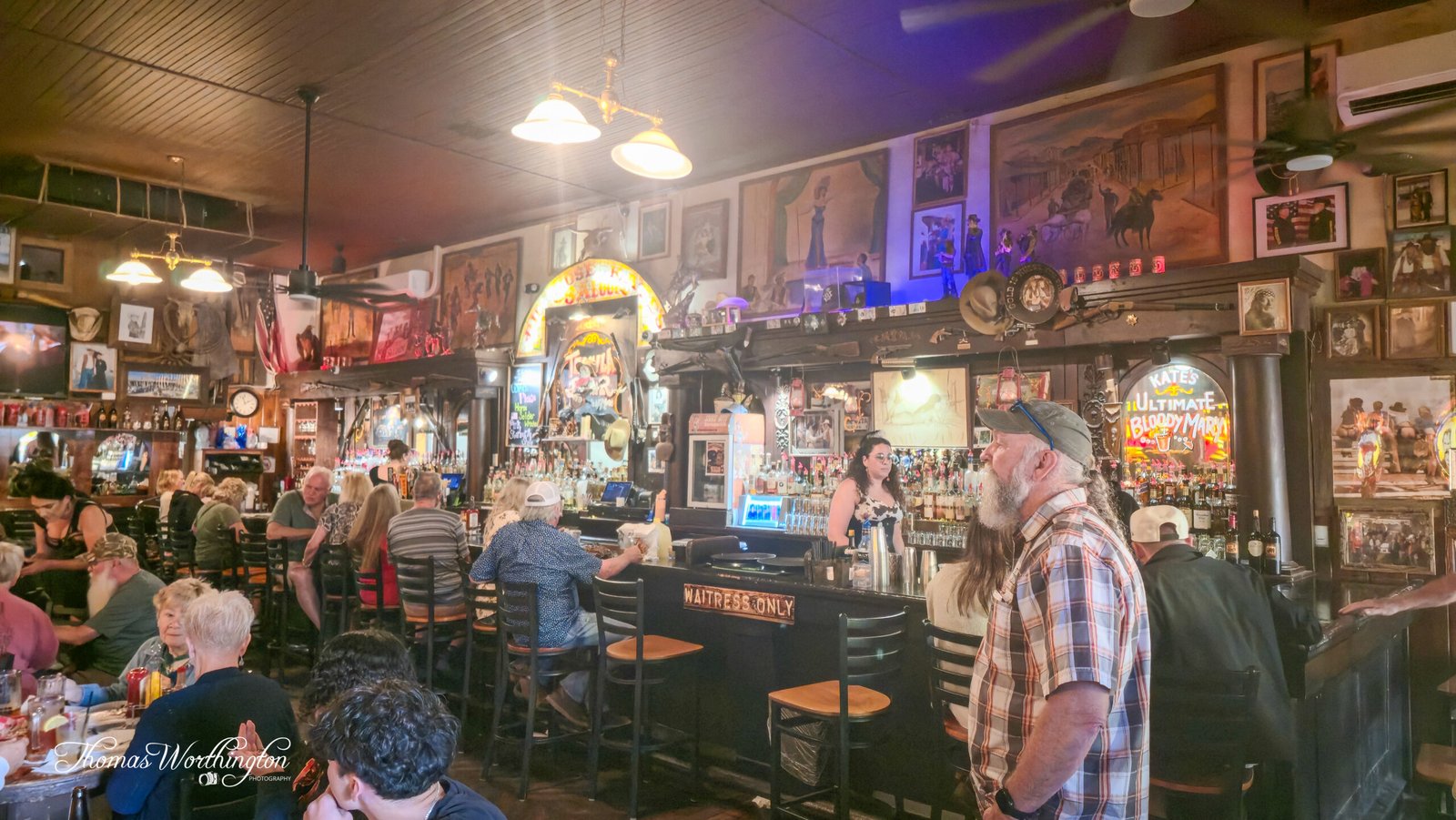
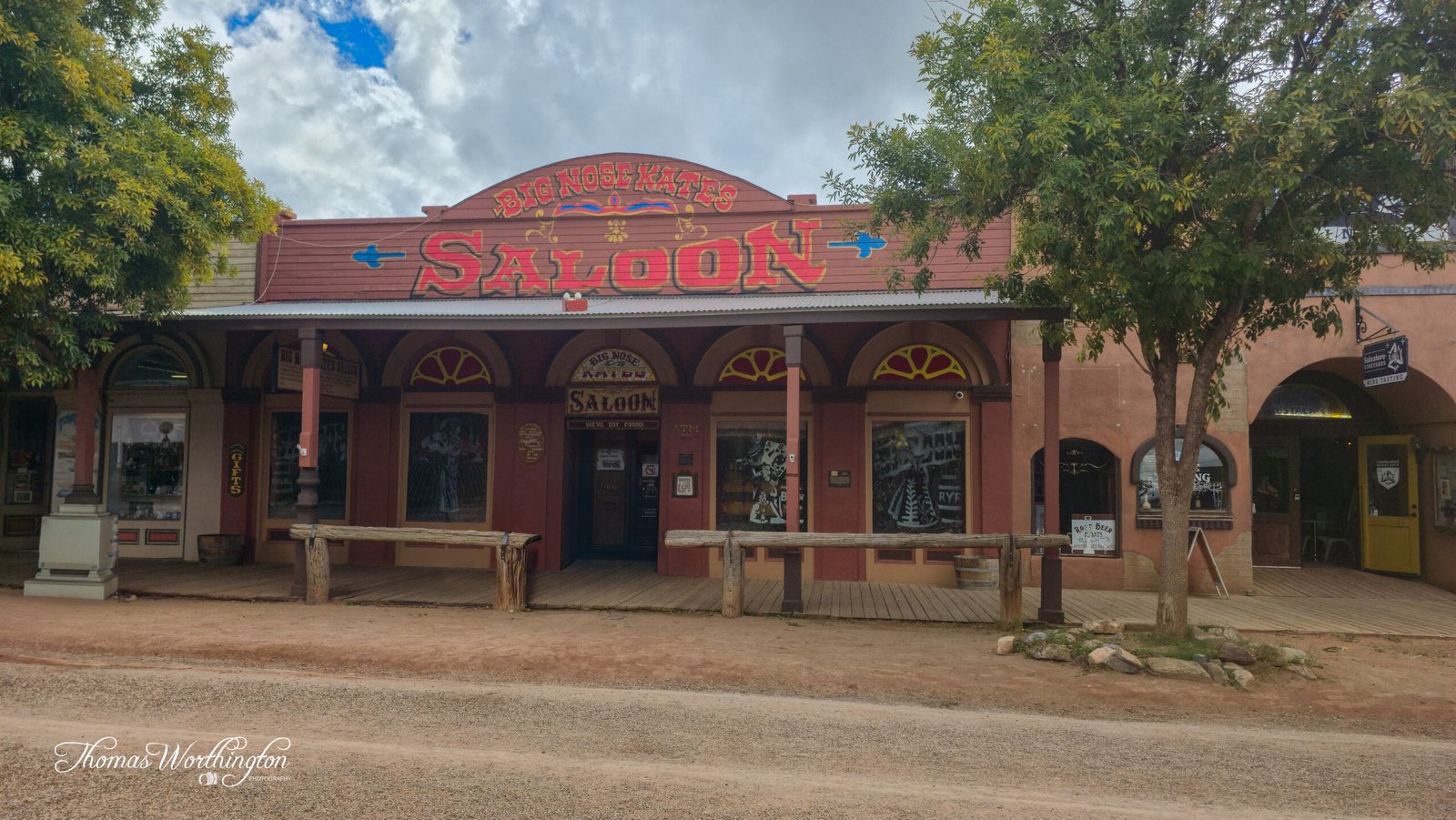
First stop was Big Nose Kate’s Saloon: Stepping into a Legend
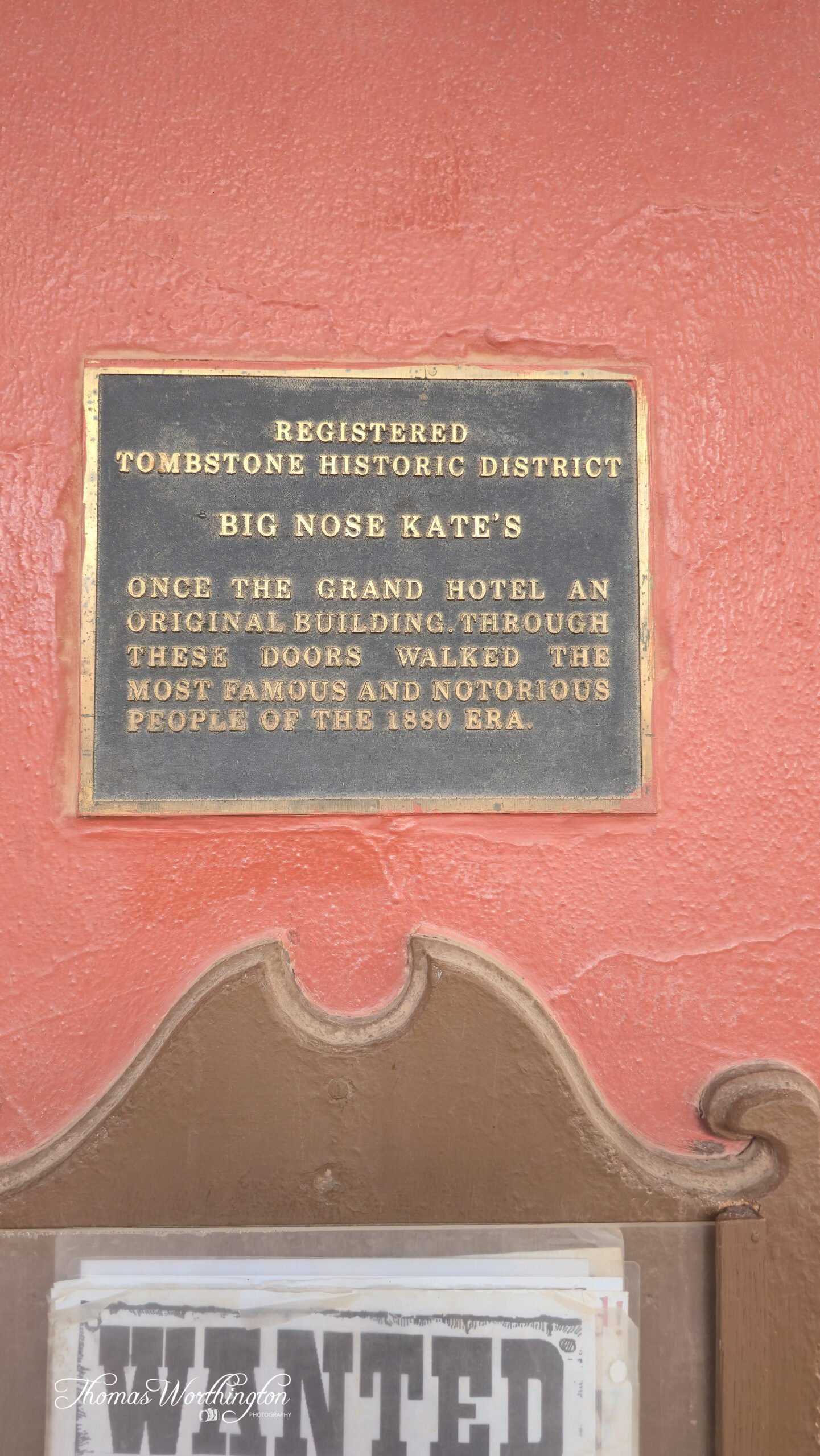
One of the highlights of our visit was stepping into Big Nose Kate’s Saloon. This legendary establishment, formerly known as the Grand Hotel, was a hub of activity during Tombstone’s heyday. Imagine the sounds of piano music, the clinking of glasses, and the stories shared by cowboys and prospectors as they gathered here.
Today, Big Nose Kate’s Saloon retains its vintage charm, offering visitors a glimpse into the past. We enjoyed live music, delicious food, and soaked in the atmosphere that has made this saloon a must-visit in Tombstone.
Soaking in the vintage atmosphere and live music at Big Nose Kate’s.
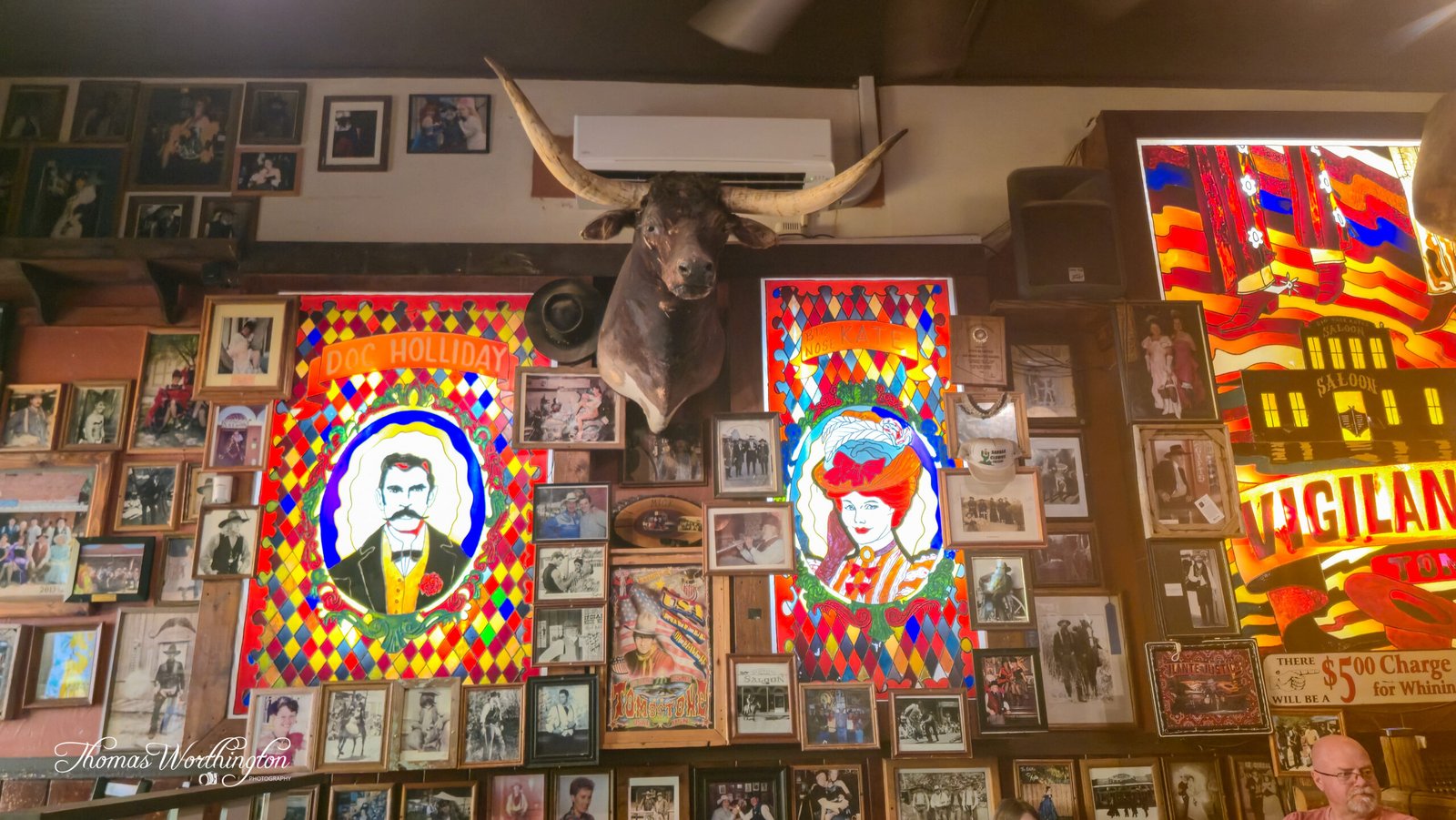
A Tale of Two Legends: Doc Holliday and Big Nose Kate
Tombstone’s history is intertwined with the lives of legends like Doc Holliday and Big Nose Kate. Big Nose Kate, whose real name was Mary Katharine Horony, was Doc Holliday’s companion for many years. Their tumultuous relationship is a fascinating part of Tombstone’s lore, adding to the overall intrigue of the town.
Unearthing the History of Tombstone
Tombstone was founded in 1879 by prospector Ed Schieffelin, who defied all odds to discover a silver lode in the area. The town quickly grew, attracting a diverse crowd: Miners & Prospectors seeking their fortune. Entrepreneurs looking to build a booming town, Cowboys & Outlaws giving the town its wild reputation. Tombstone quickly became known as a center of commerce and entertainment, but it equally developed a notorious reputation for lawlessness.
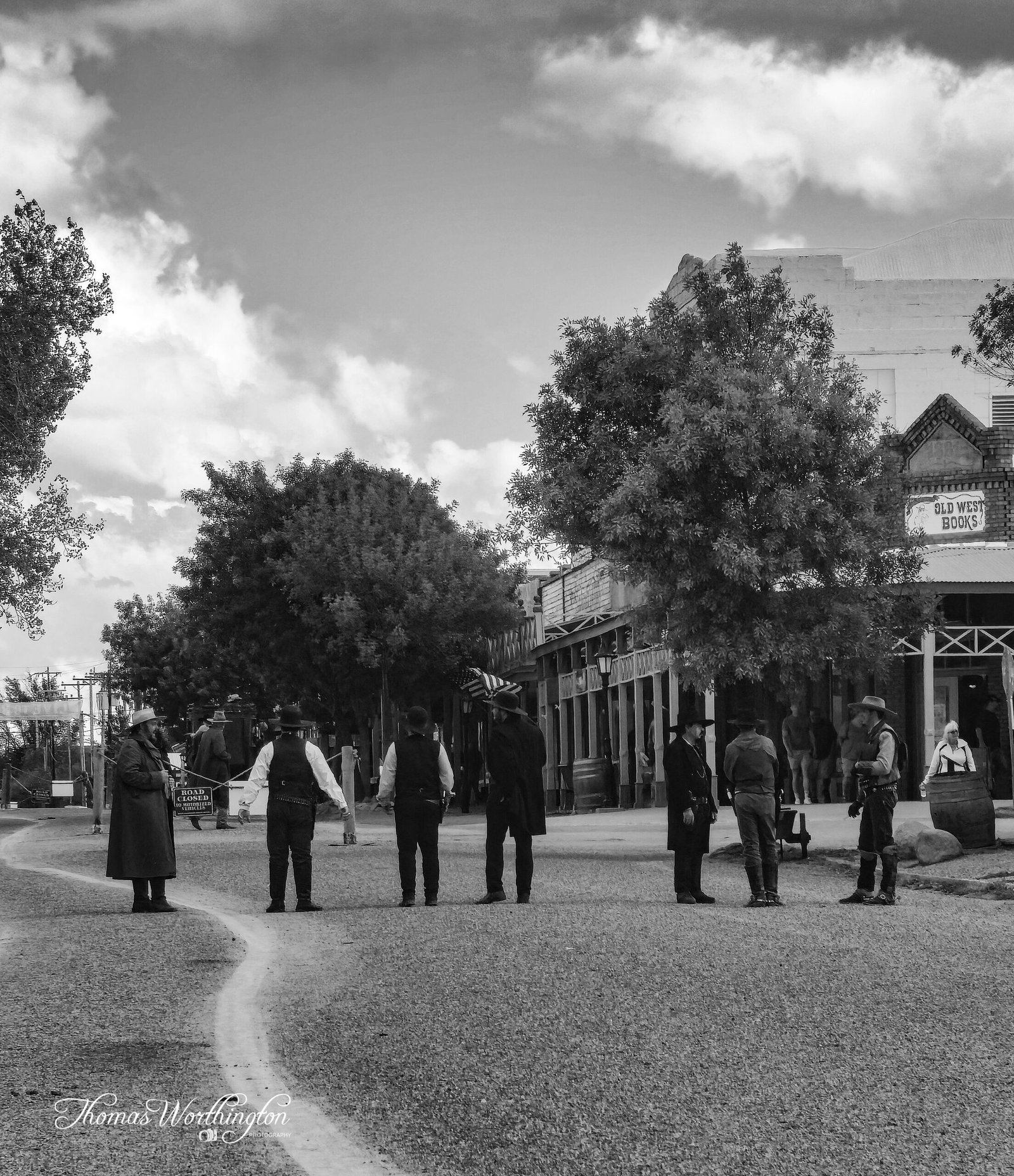
Doc Holliday vs. The Cowboys: A Showdown at the Oriental Saloon One of the most dramatic events in Tombstone’s history was the confrontation between Doc Holliday and the Cowboys at the Oriental Saloon. We witnessed a thrilling reenactment that showcased the high tensions running through the town during that period. The actors brought history to life, allowing us to feel the tension and excitement of the time. It was a stark reminder of the everyday challenges and dangers faced in the Wild West.
The Bird Cage Theatre: Entertainment and Intrigue
No visit to Tombstone is complete without exploring the Bird Cage Theatre. This iconic venue was a popular entertainment hub, hosting variety shows, gambling, and other forms of nightlife. However, the Bird Cage Theatre also gained notoriety for its rowdy atmosphere and violent incidents. Today, the Bird Cage Theatre operates as a fascinating museum showcasing authentic artifacts from Tombstone’s past. We explored:
The original opera boxes overlooking the main room Authentic 1880s gambling tables Exhibits detailing the colorful characters who once frequented the establishment Stepping back into history inside the historic Bird Cage Theatre.
Then there is The O.K. Corral: Where Legends Were Made
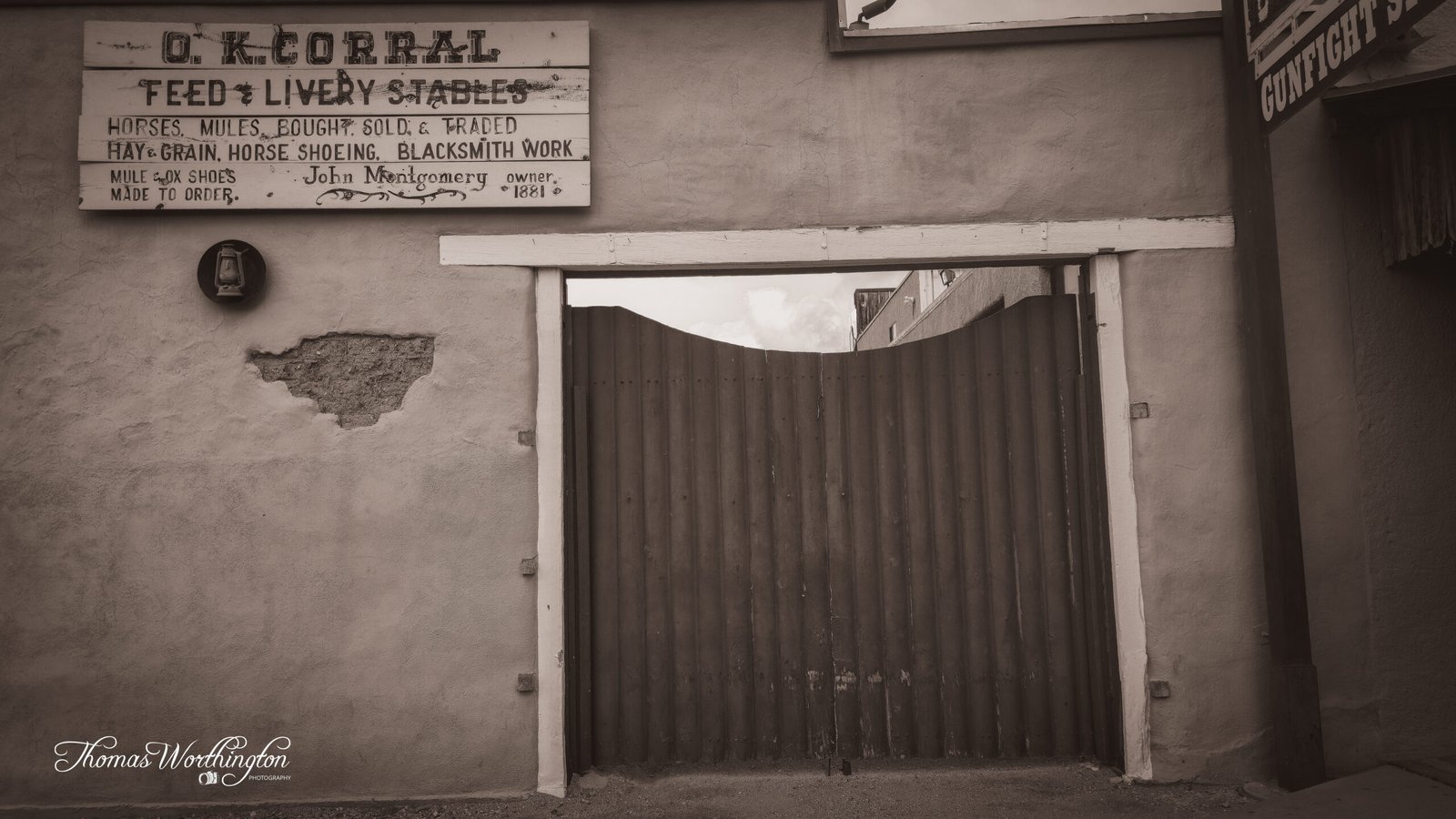
Of course, no visit to Tombstone would be complete without witnessing a reenactment of the legendary Gunfight at the O.K. Corral. This pivotal event in American history involved the Earp brothers, Doc Holliday, and a group of Cowboys. The reenactment brings this iconic showdown to life, allowing visitors to feel the drama and tension of that fateful day.
Traveler Tip: Be sure to buy your O.K. Corral reenactment tickets early in the day, as showtimes often sell out quickly even on the weekdays! Final ThoughtsOur journey from Saguaro National Park to Tombstone was an unforgettable experience, filled with history, legend, and adventure. Tombstone truly captures the spirit of the Wild West, offering a glimpse into a time that continues to captivate and intrigue us.